


Is Being Sensitive to Sound a Sign of Autism?
Updated by Rivkie Berger, OTR on 09/15/2025
5 min read
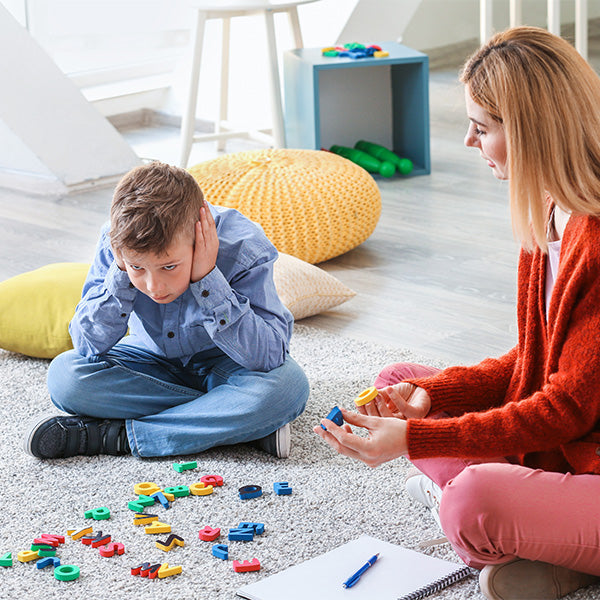
When you are in a crowded and noisy environment you may have seen your child cover their ears or express other signs of frustration, such as becoming so overwhelmed that they have a meltdown. You might wonder if getting so overwhelmed and overstimulated by noise is a sign of autism.
Sensory Processing Disorder and Being Sensitive to Loud Noises
Everyone has certain sounds that annoy them, but they can still function. A child with sound sensitivities who otherwise appears to behave typically, in social and academic settings, does not necessarily have a sensory processing disorder.
However, if noises are so intrusive that the child cannot ignore or function around them, then it can be a sign of hyperacusis—increased sensitivity to sound that is outside the range of normal. This type of sensory processing disorder can make children feel anxious and dysregulated when they are in loud environments with unpredictable noises.

Autism and Hypersensitivity to Sound
Children with autism often have a concurrent sensory processing disorder. People frequently confuse the symptoms of one with the other, so it is important to receive a professional diagnosis before assuming that a child with atypical sensitivities has autism. If your child has received an autism diagnosis and struggles to tolerate noise, there are several things you can do to help them cope and prevent sensory meltdowns.
Start by addressing the difficulty so that your child feels supported and seen. Before going somewhere where there is typically a lot of noise, call and ask if there are quieter hours so that you can avoid the crowds. At a party or family gathering, ask your host if there is a separate room your child can go to when they start to feel overwhelmed and need a break. Bring along other sensory tools that help your child calm and regulate.
Why Do Autistic Kids Wear Headphones? Understanding Noise Sensitivity
Many children with autism experience noise sensitivity, making everyday environments feel overwhelming. If your child is sensitive to loud noises, then sounds like vacuums and hand dryers may elicit strong reactions such as meltdowns or avoidance behaviors.
One of the most common and effective tools to support children with noise sensitivity are noise reducing headphones. Wearing them helps filter out overwhelming background noise while still allowing kids to engage with the world around them.

Noise Reduction Headphones
Even if your child is sensitive to noise, they may not have autism. If you are concerned then consult with a healthcare provider for guidance. Understanding that your child needs extra support in loud environments can set them up for successful outings with you. And remember, even with preparation, sensory overload can still happen. In those moments try to help your child by reducing noise, limiting other sensory input and offering calming strategies like deep pressure if it helps your child regulate.
Check out our collection ofnoise reducing headphones to help manage sensory overload.
FAQs
What can cause sensitivity to loud noises?
Sensitivity to loud noises can be caused by a lower threshold for auditory input. This means that your system cannot handle as much noise as others might be able to.
Can people without autism get overstimulated?
Yes! Everyone has a sensory system that has a unique threshold for various types of stimuli. If that threshold is surpassed, then it can cause a person to feel overstimulated. A neurotypical person may have an easier time coping with the overwhelm than someone with autism.
Does ADHD make you sensitive to noise?
ADHD does not cause noise sensitivity, although people with ADHD are more prone to distraction from things like many conversations happening around them at once.
Is it possible to have sensory issues without autism?
People with autism often also have other sensory processing needs, but not everyone with a sensory processing disorder has autism.
What does a sensory overload feel like?
Sensory overload is different for everyone, based on their unique sensory profile and triggers. It commonly feels like you cannot focus on anything except the triggering sensation, leaving you unable to regulate your system and get back to a place of sensory equilibrium.




Leave a comment