


Supporting Kids With Autism at Home & School
10 min read
Families raising children with autism know that success relies on teamwork both at home and at school. Parents, teachers and therapists each play a role in providing the right support, whether it’s through structured routines, sensory tools or autism therapy at home. When strategies are carried over consistently across environments, kids feel more confident, daily routines become smoother and everyone benefits from a shared understanding of what helps a child thrive.

Parenting a Child With Autism – A Parent’s Perspective
Parents often describe their experience of raising children as an emotional rollercoaster– moments of celebration mixed with those of uncertainty. All of the joys, challenges and discoveries of the autism parenting journey can be exciting, and also lead to feelings of burnout. Parents are faced with daily concerns such as managing their child’s sensory needs, balancing energy levels, keeping them safe and making autism-friendly meals. It can feel exhausting to tackle it all.
Autism parent support groups are valuable resources for many parents. Sharing stories, tips and experiences can remind families that they are not alone, as well as provide them with valuable ideas to try at home. Hearing from other parents who have found success with creating visual schedules and a predictable meal schedule can increase a sense of calm and reassurance. They might know about therapy gyms, public spaces with a sensory room or when there are autism-friendly events at places like the local zoo or museums.

Autism Therapy Insights – Expert Advice From Specialists
Therapists often play a large role in guiding families with autism. Depending on your child’s needs, they may benefit from occupational therapy or applied behavior analysis (ABA) therapy, among others. Regardless who your child sees, it is crucial that you carry over the skills worked on in therapy sessions to their home life. Therapy sessions are only a small part of a child’s week, so consistently working on the same skills outside of therapy can reinforce the skill and boost the child’s confidence.
Parents can, and should, work with their child’s therapist or seek autism parent training to gain confidence in their own ability to support their child and reinforce therapy strategies at home. A parent’s involvement and dedication can also deepen the parent-child relationship, further impacting the child’s overall development and wellbeing.

Autism and School Challenges – Daily Hurdles for Kids
School can be overwhelming for neurotypical kids, and especially for those on the autism spectrum. Some students struggle with maintaining attendance because of the sensory overload they may experience while in school. Classrooms can be loud, busy environments. There are many other children in the room, disparate conversations and visual clutter that may agitate a sensory-sensitive child.
When a school provides meals or snacks throughout the day, it can pose a challenge for some children with autism who have sensory food aversions. If the school foods don’t align with the child’s “safe foods,” then they may opt to go hungry instead– this can lead to even greater sensory dysregulation.
Sensory preferences often inform a child’s food choices. This could be based on color, taste, smell or mouth feel. For example, children with a high sensory threshold might only be able to perceive foods with intense flavors or textures, like very spicy or crunchy foods. Those with a low threshold may only tolerate bland or smooth foods. Speak to the school about making arrangements for your child to bring their own food, and heat it up if necessary. Ensuring that their nutritional needs are met will help the day go more smoothly and pave the way for greater understanding and cooperation. If your child’s safe foods are very limited, consider working with a nutritionist to find nutrient-dense options they will eat and to gently introduce new foods.
Kids who are transitioning to high school may face even greater struggles. Many high schools are larger schools, with bigger class sizes. There are new routines and more nuanced social expectations to navigate. Children are confronted with these challenges every day at school; parents and educators can work together to create autism-friendly environments to help their students feel safe and supported.
Read our helpful guide on back to school sensory strategies for kids with autism.
Creating an Autism-Friendly Environment at Home and School
Making spaces calmer and more predictable helps support learning and regulation for kids with autism. Both home and school environments can follow similar strategies to reduce sensory overwhelm. Adapt any of our occupational therapists’ suggestions below to the space available.
Use soft LED lighting instead of harsh fluorescents and incorporate a soothing color palette. Try to minimize visual clutter by incorporating a soothing color palette by not having too many things on display at once. Designate a low-traffic area as a calming corner. Outfit it with cozy flexible seating, a basket of fidgets, noise reducing headphones and a lap pad or weighted friend.
Many children with autism benefit struggle to cope with unexpected or unknown changes and events. By hanging up visual schedules in easy-to-see spots, they can feel reassured by knowing what is coming up. If there are choices for an activity, then use visual aids to depict what options are available. This can reduce the decision paralysis that some children feel when they are faced with too many options.

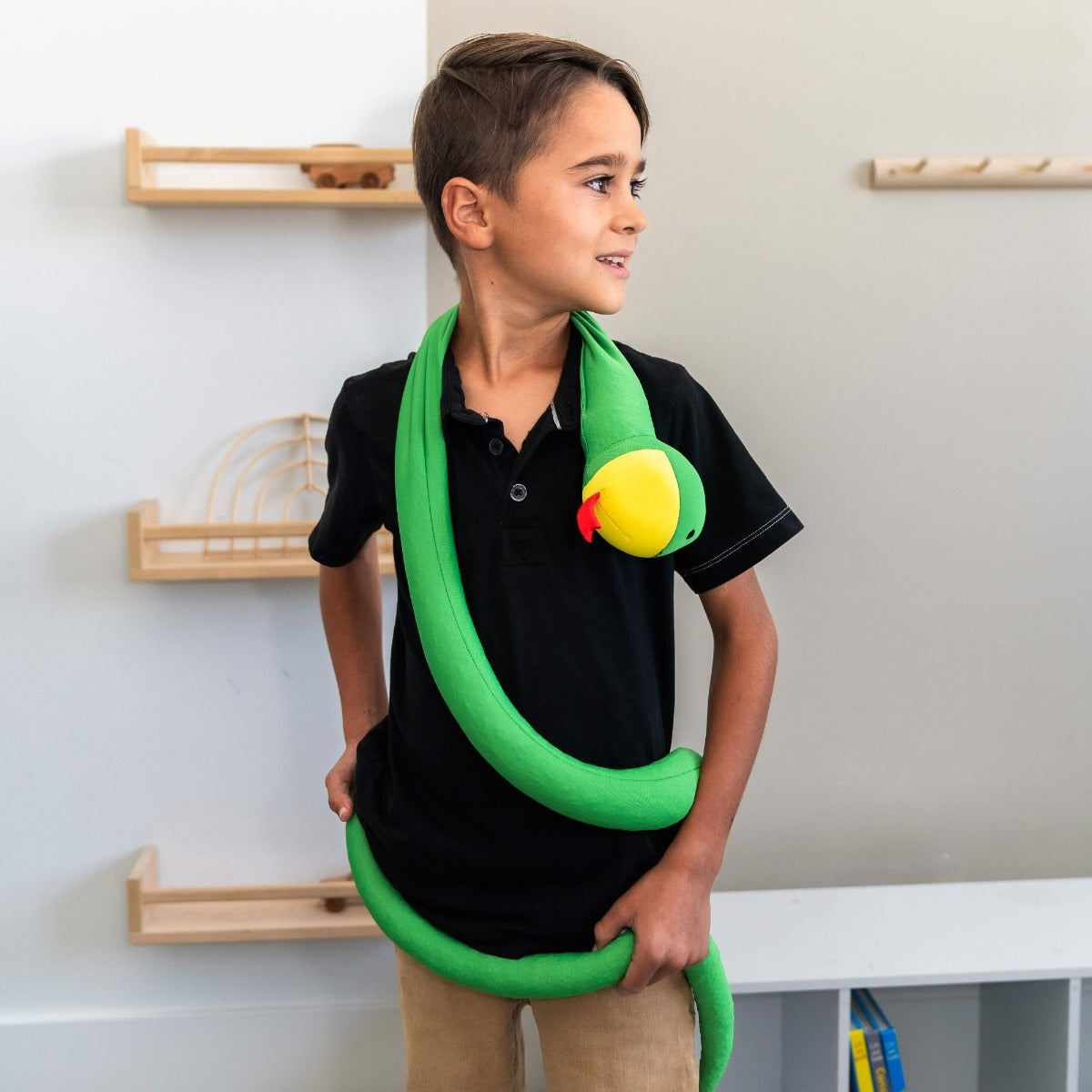
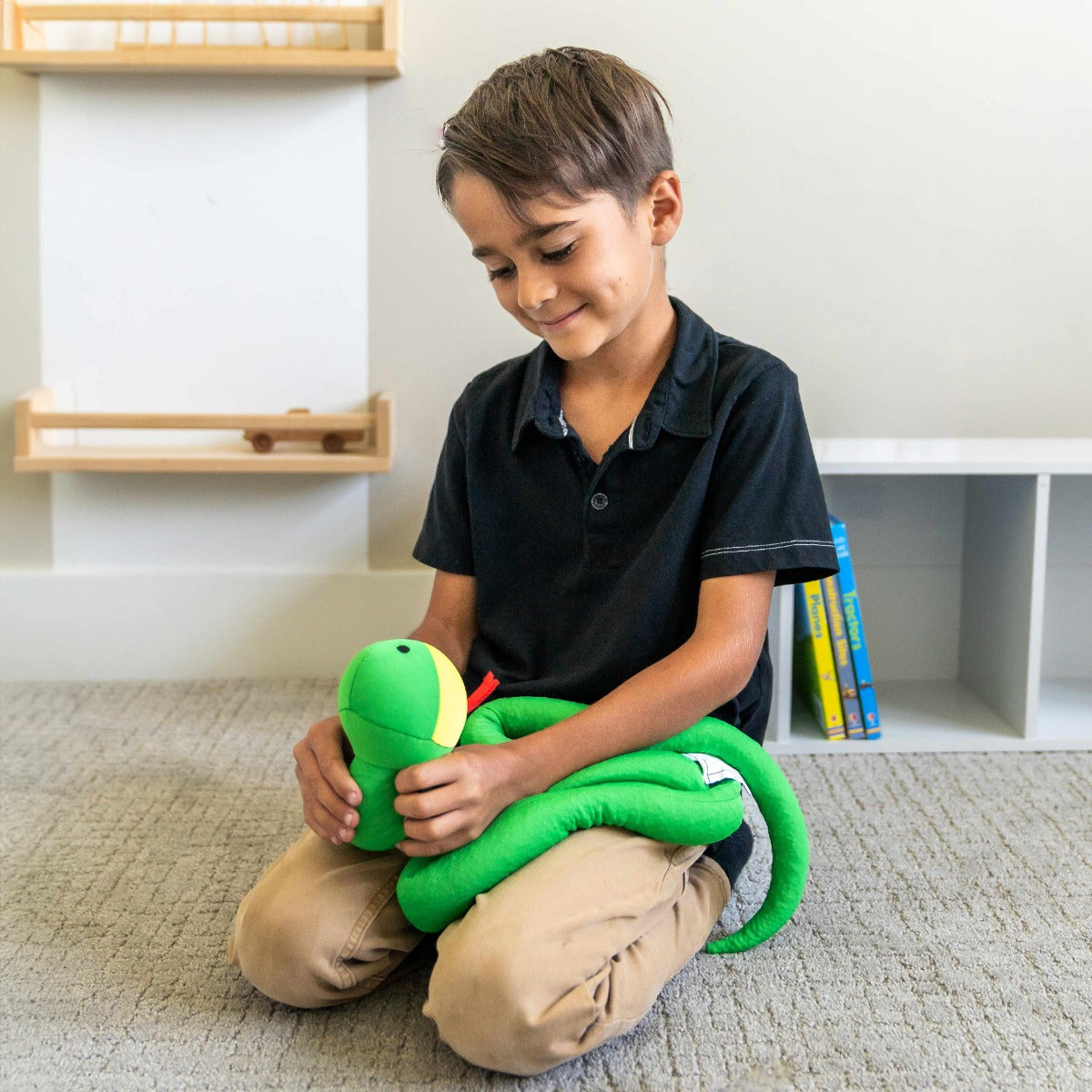
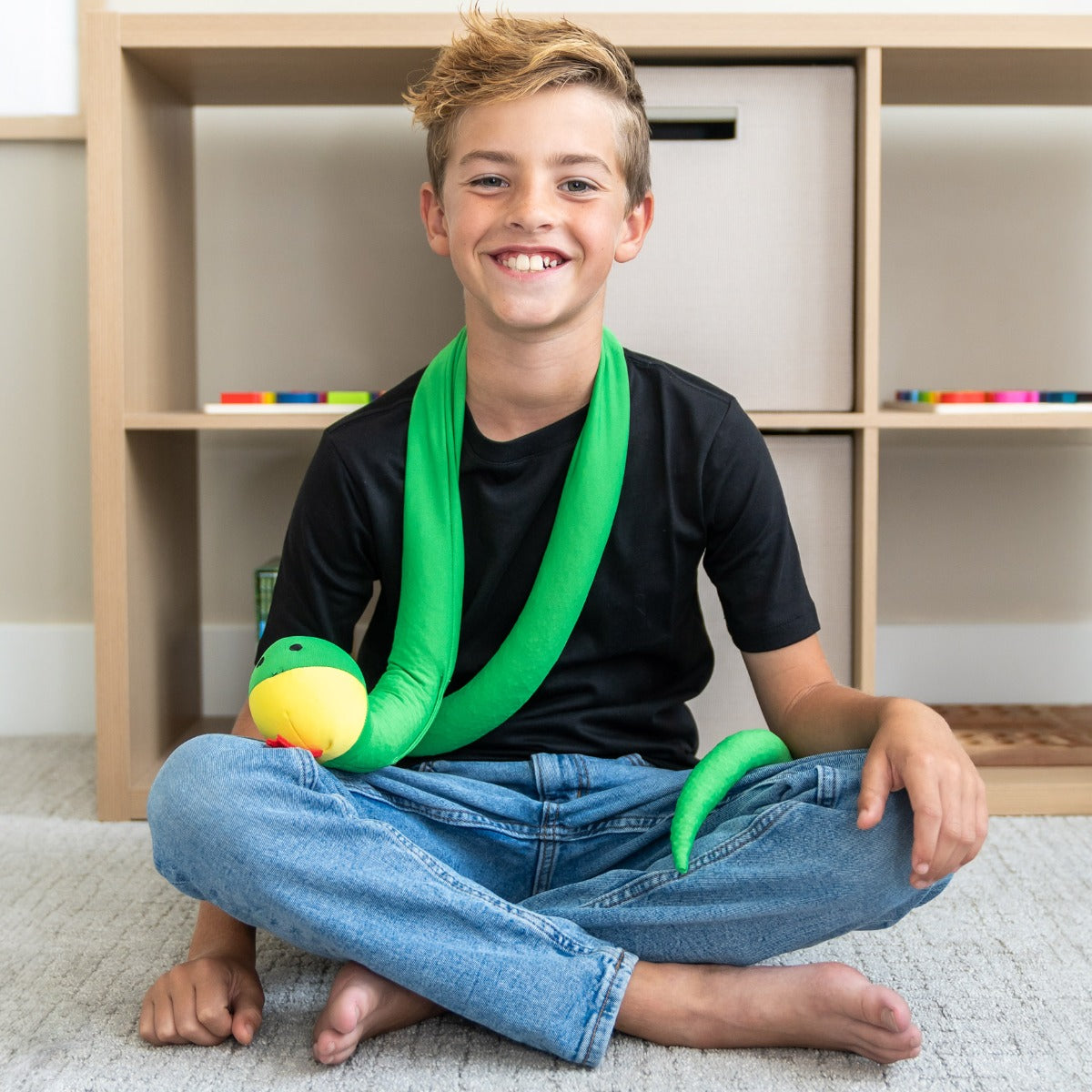
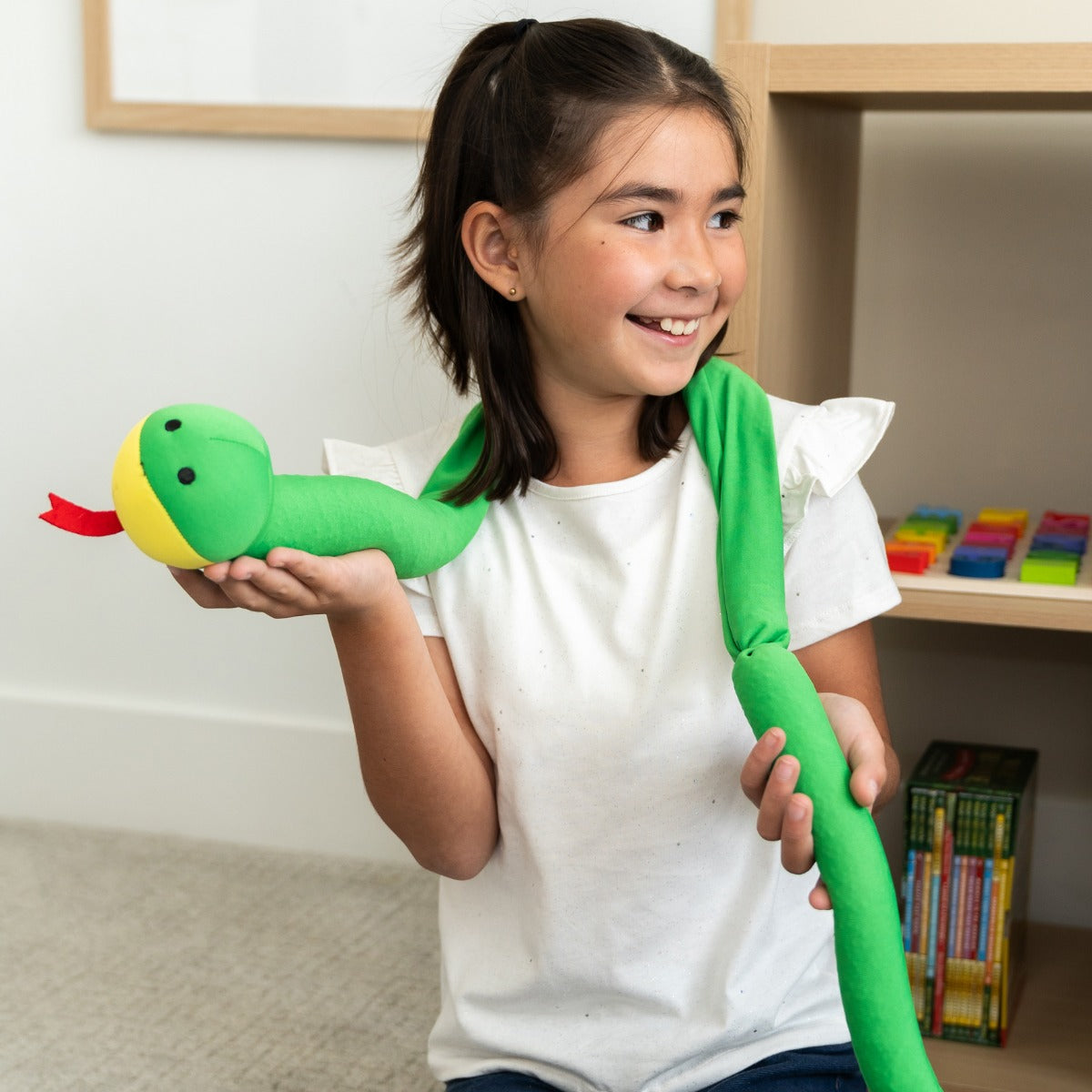
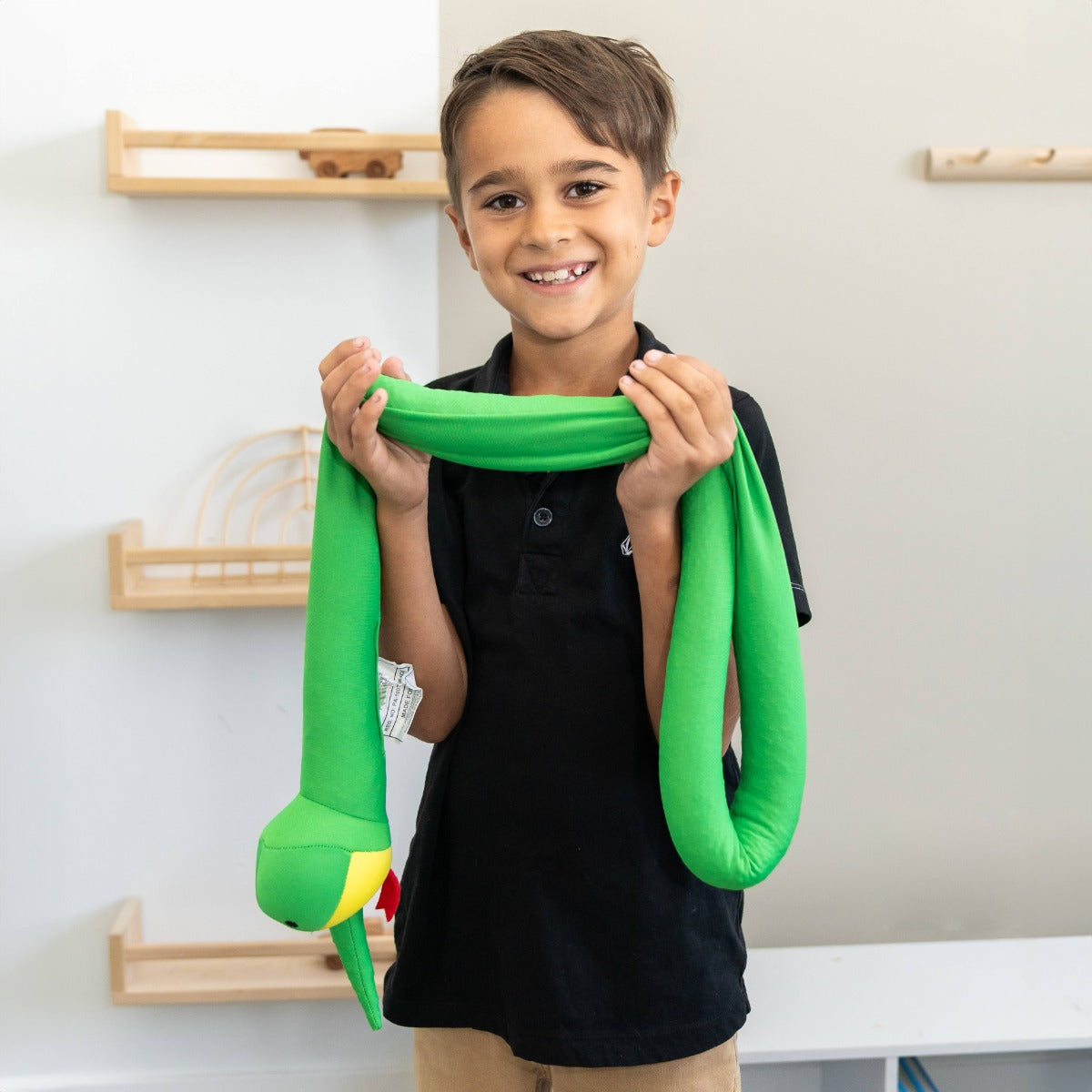
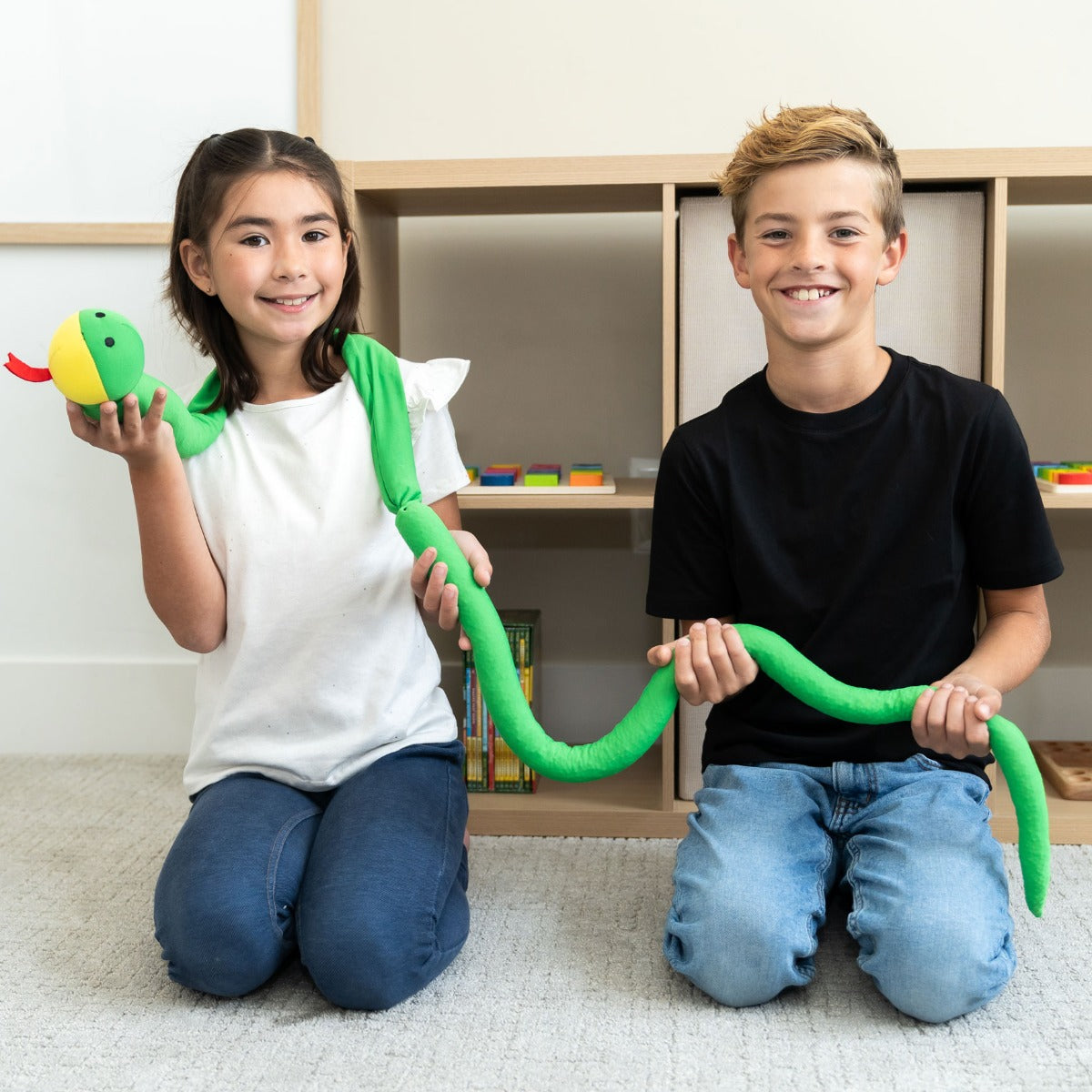
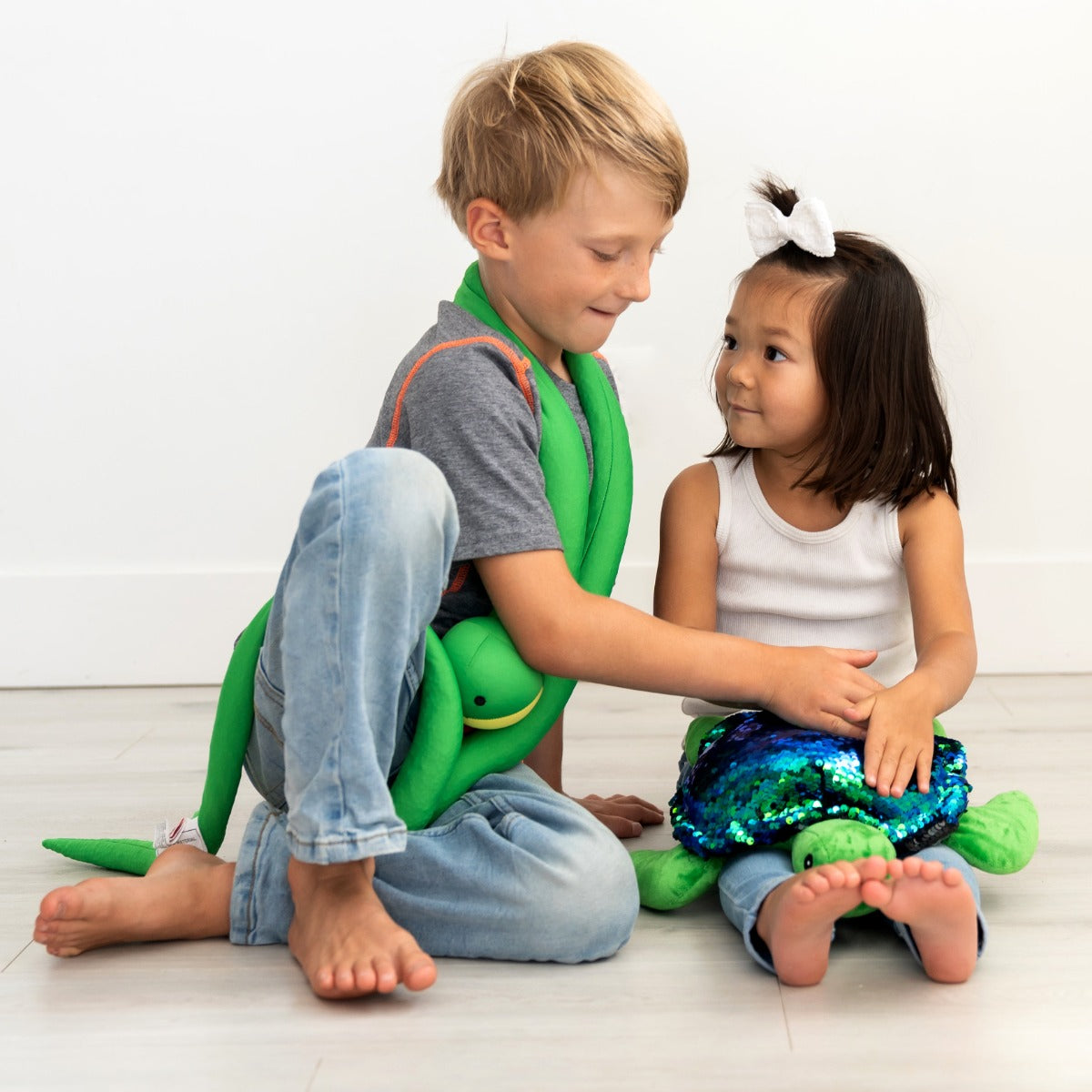
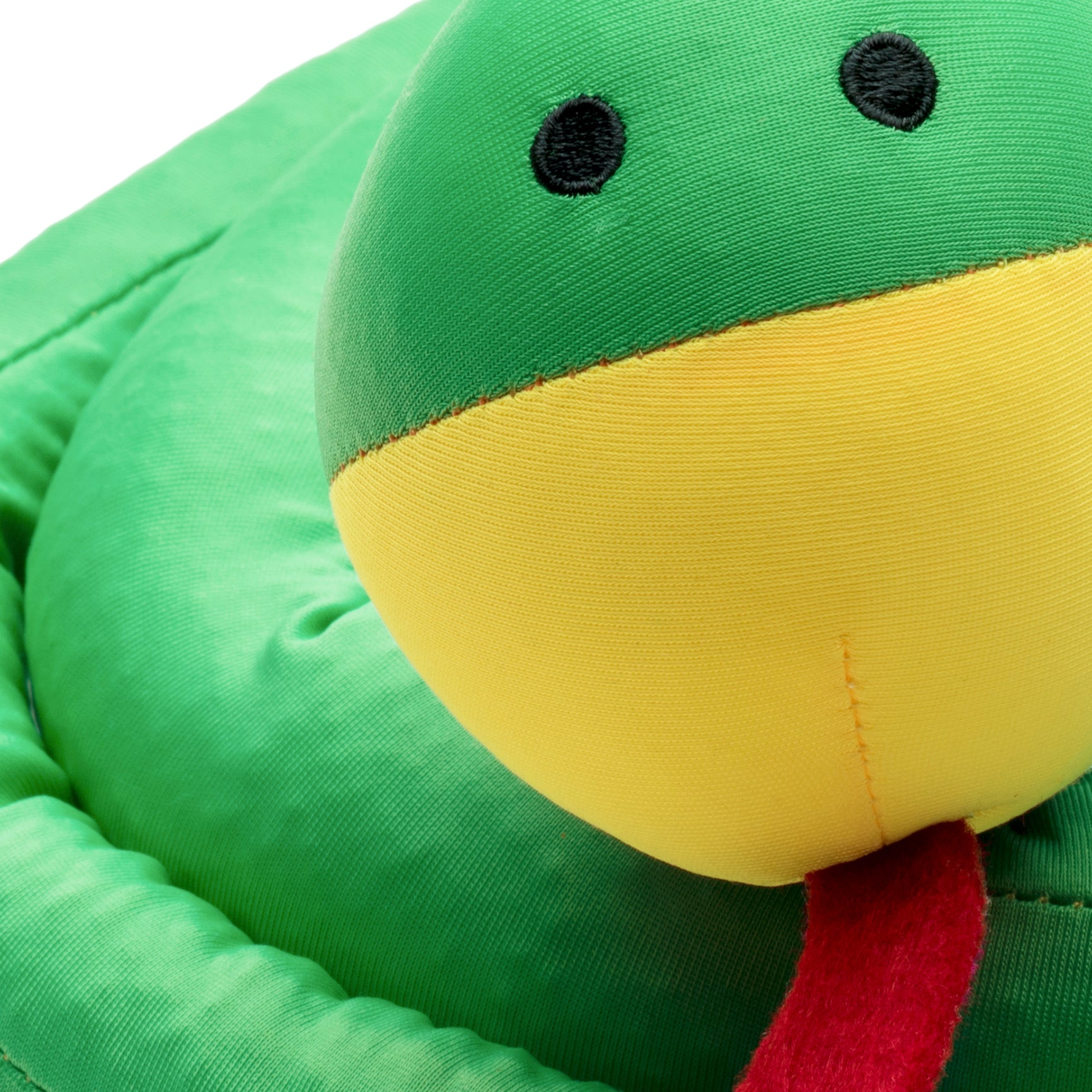
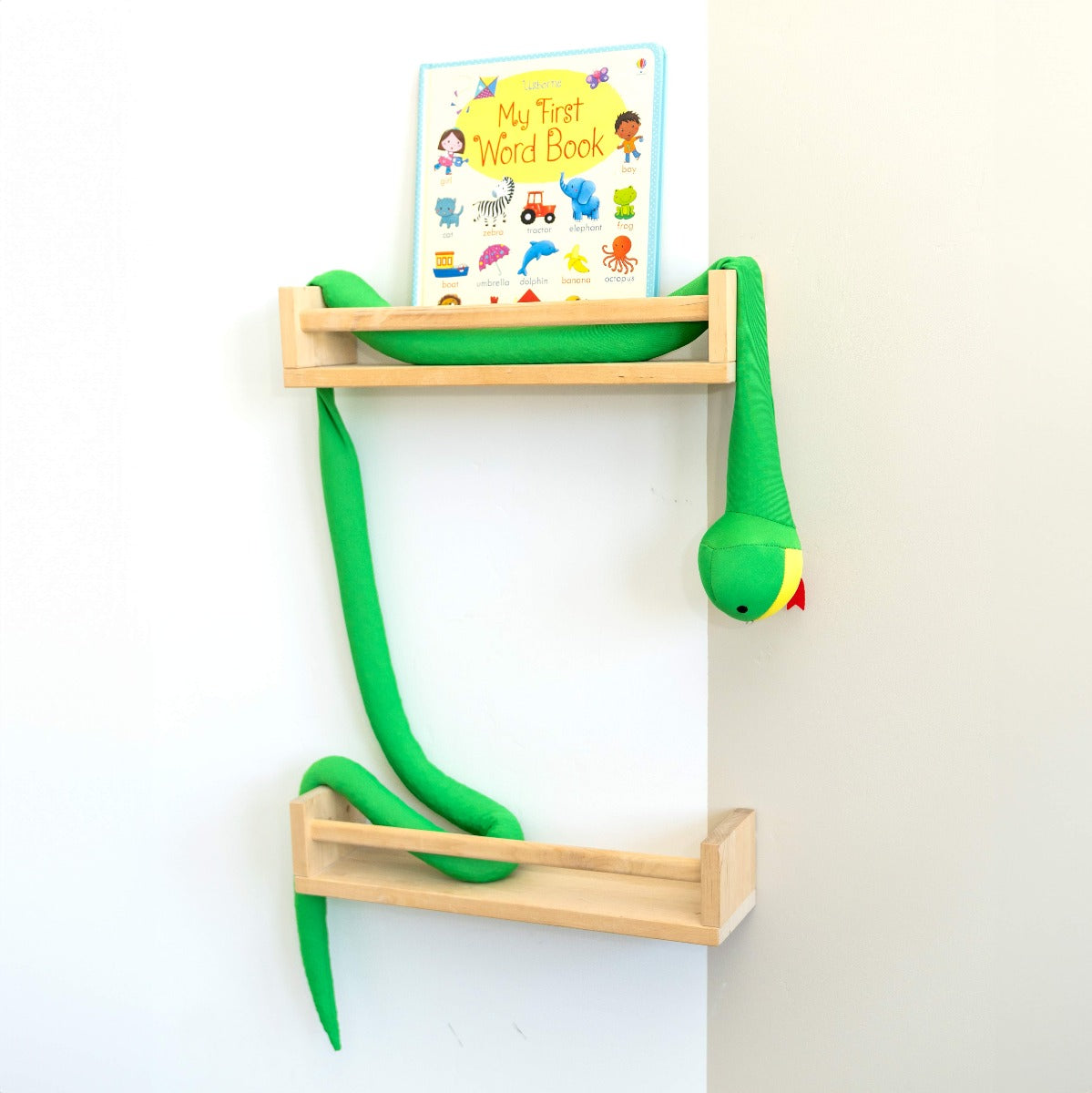


Weighted Worm
Sensory Tools and Products That Help Kids With Autism
Sensory tools can be a game changer for kids with autism. The right tools promote better focus, emotional regulation and increased comfort in a variety of everyday situations. Parents and teachers frequently notice that transitions are smoother and there are fewer meltdowns when sensory tools are used throughout the day. By keeping these or similar tools in the house, too, parents are able to improve the quality of autism therapy at home and regulation at school.
Here are some of our occupational therapist-recommended tools to support autism needs:
Weighted Tools
Deep pressure provides soothing proprioceptive input that helps calm the nervous system. There are a variety of weighted tools that can be used in different situations. At home, add a weighted blanket to the child’s bed to make bedtime less stressful and provide all-night comfort. Weighted lap pads are a great alternative for their easy portability; keep one in the car for travel or send it back and forth to school. Kids who need extra support to stay grounded during class can wear a weighted vest to ease transitions between activities, reduce the stress of test-taking or during overstimulating school events.







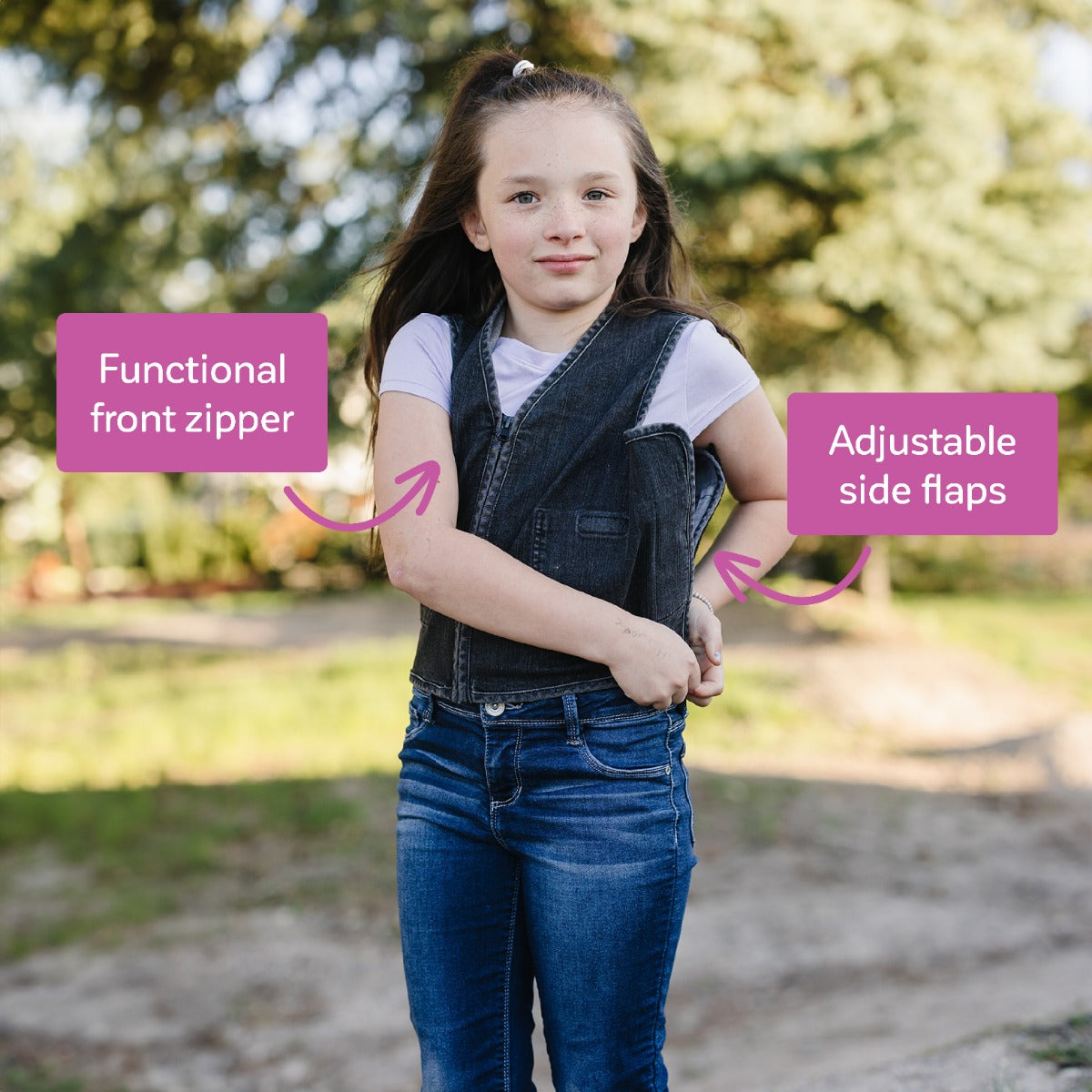



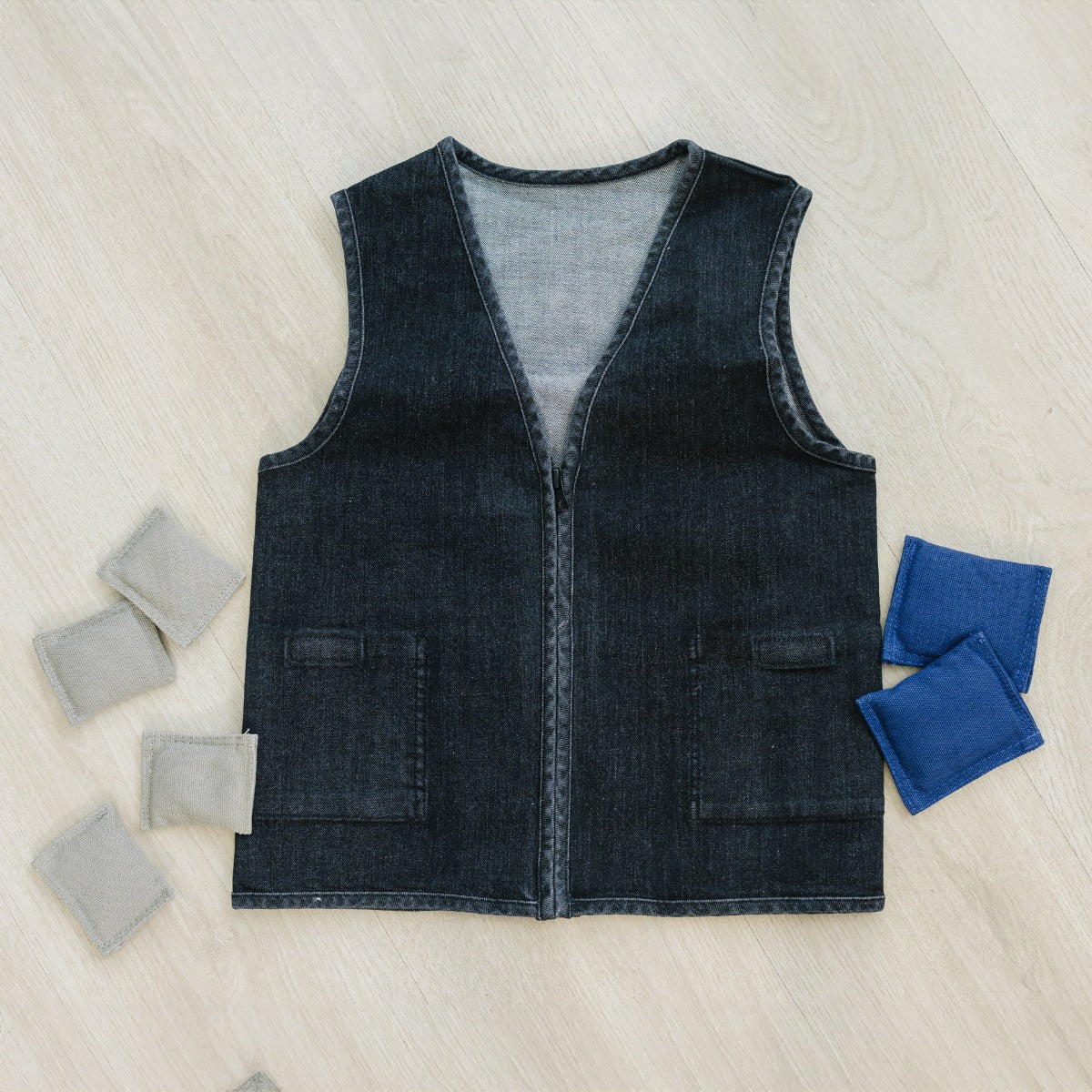
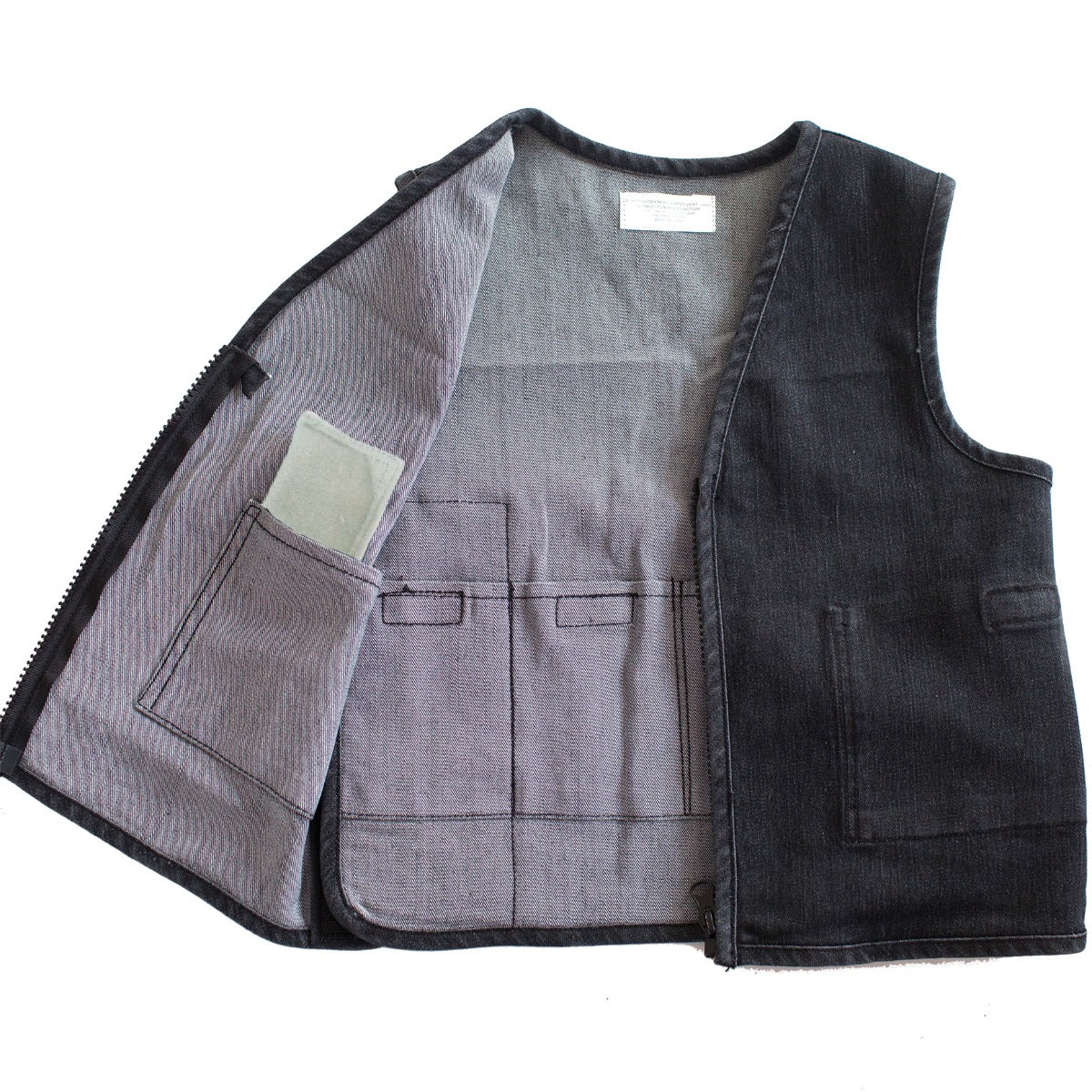


Stretch Denim Weighted Vest
Movement Tools
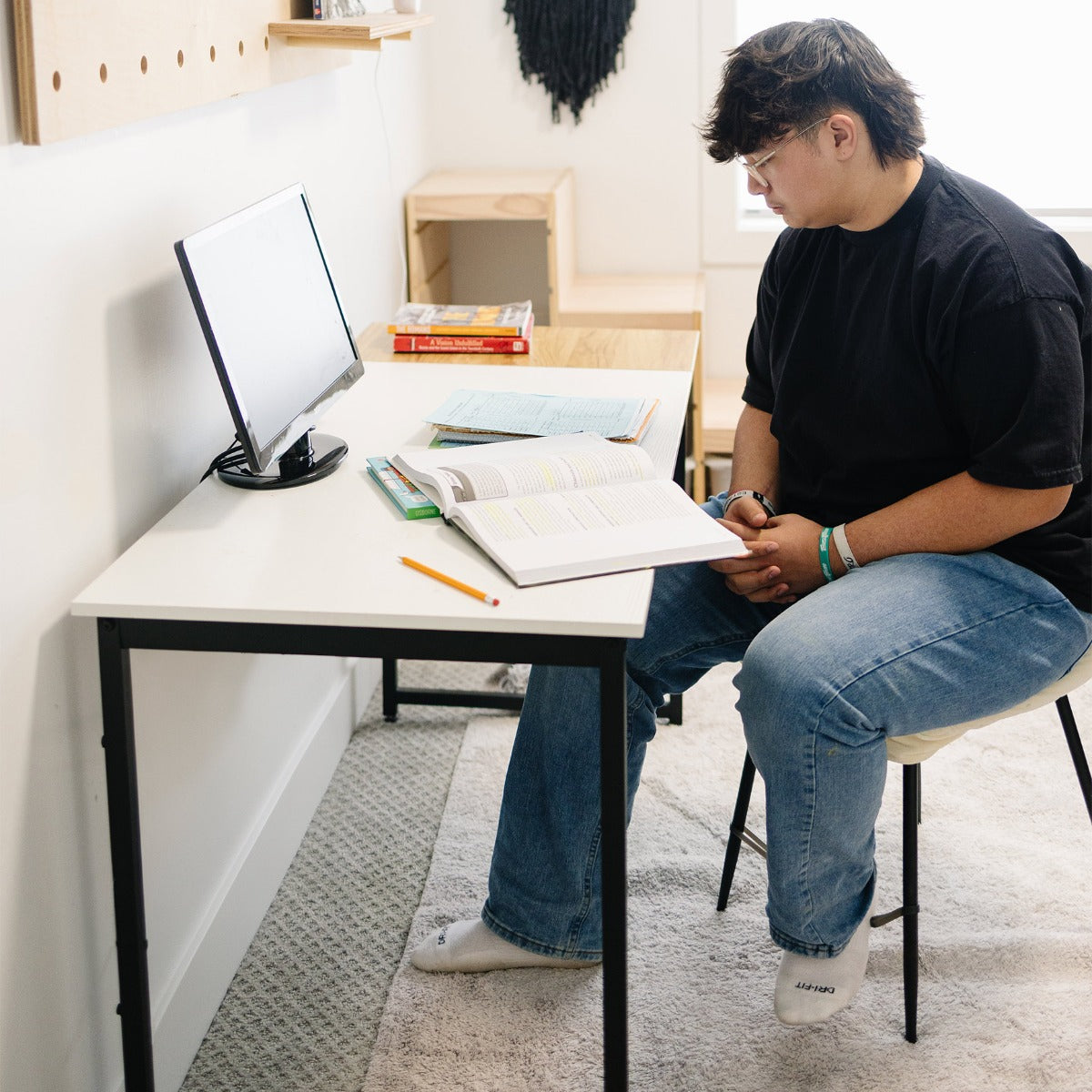
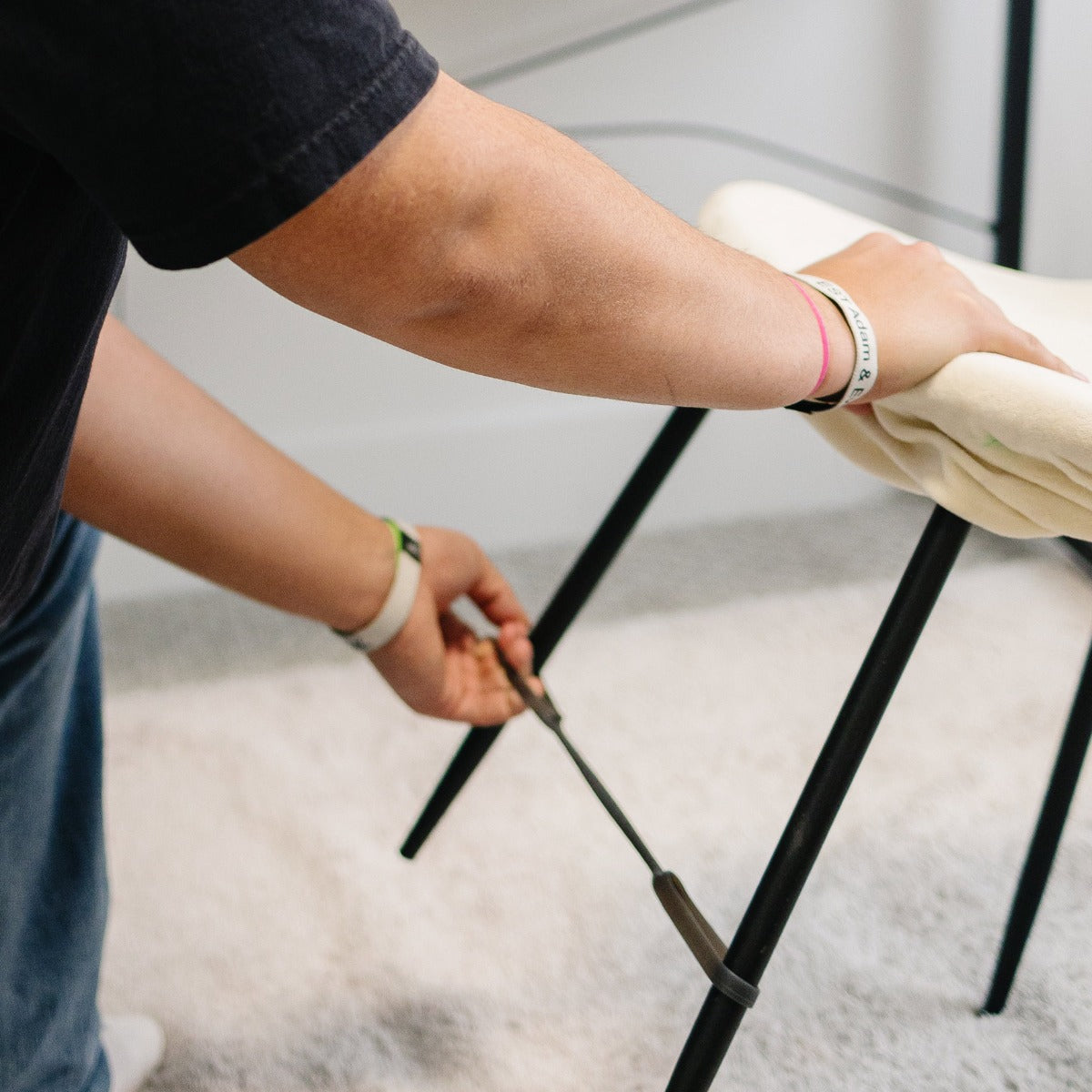
While it may seem counterintuitive, active movement can actually regulate the body. Gross motor activities offer opportunities for heavy work and vestibular input, and can be incorporated into the day in big or small ways. Classroom-friendly wiggle cushions and foot fidgets allow kids to move without disrupting their peers. Tools like the Wooden Balance Board, Bounce Board and swings are great to use for structured sensory breaks either at home or school.

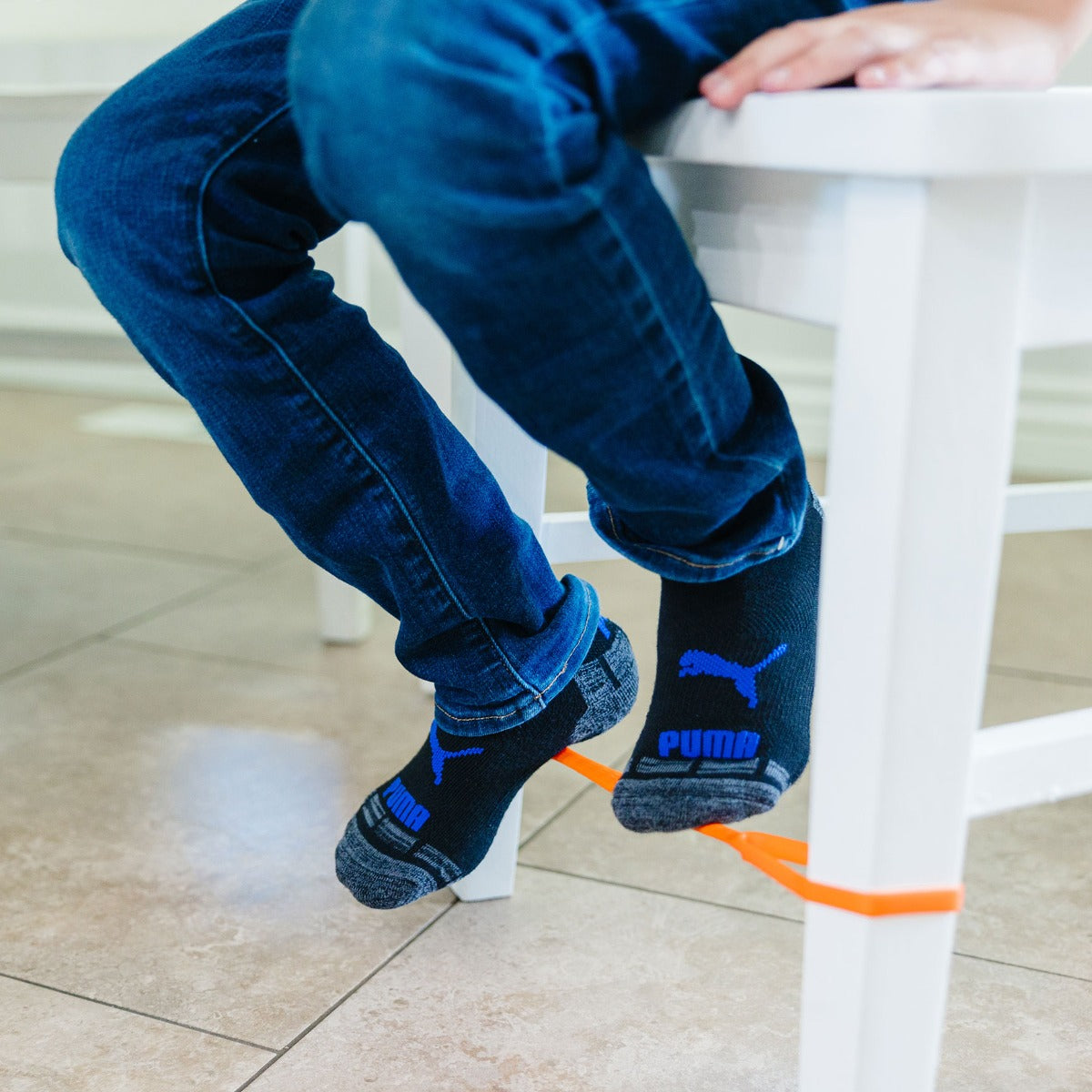
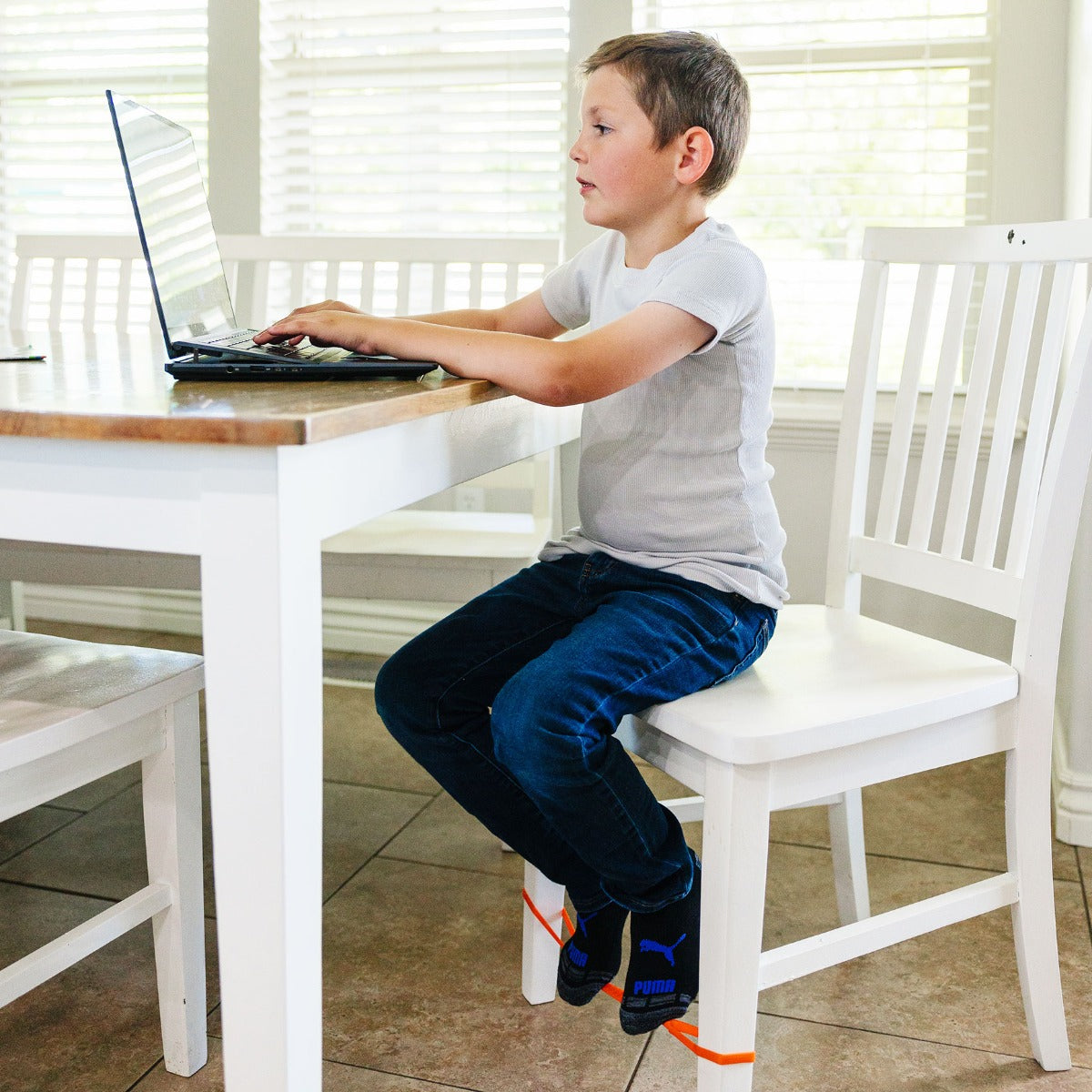
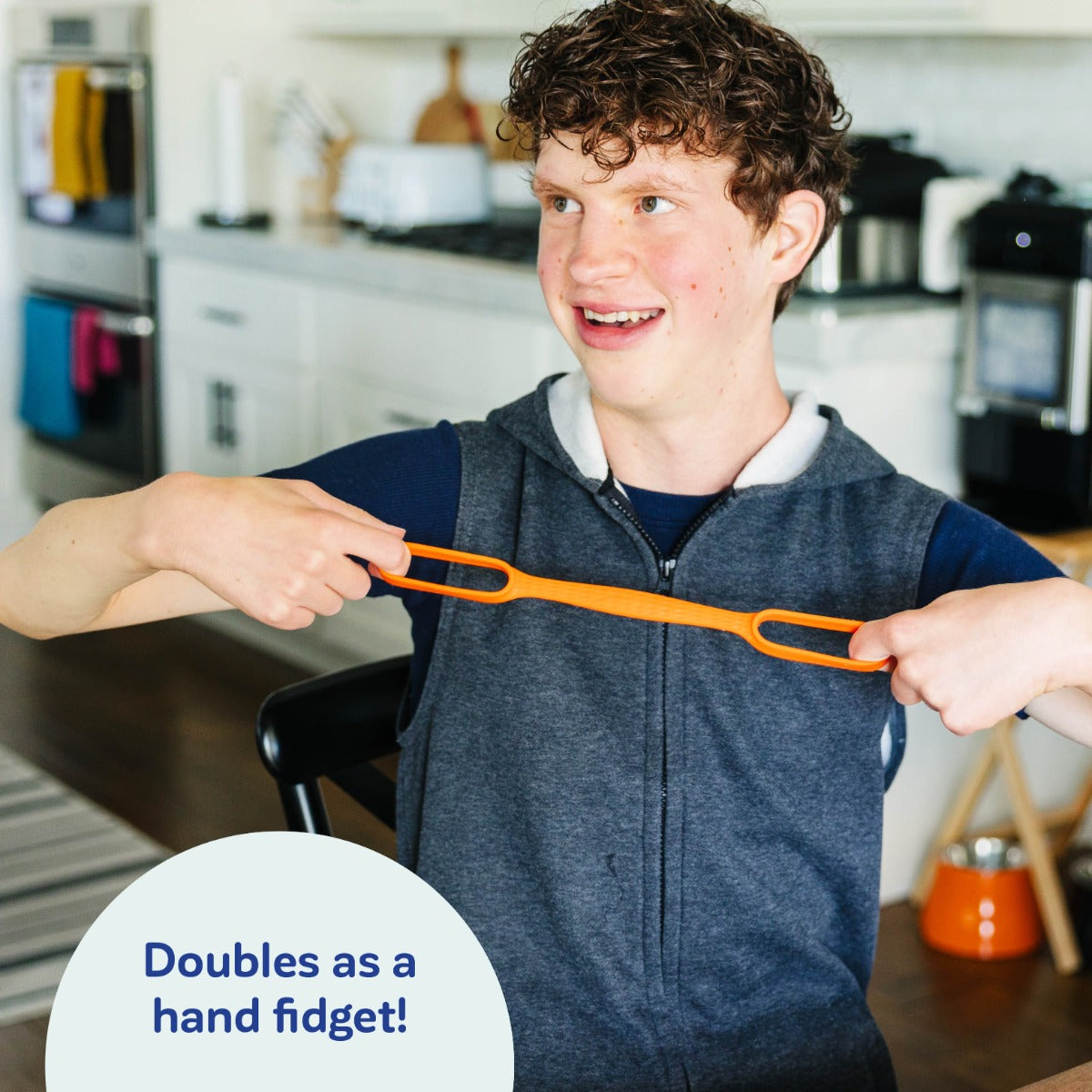
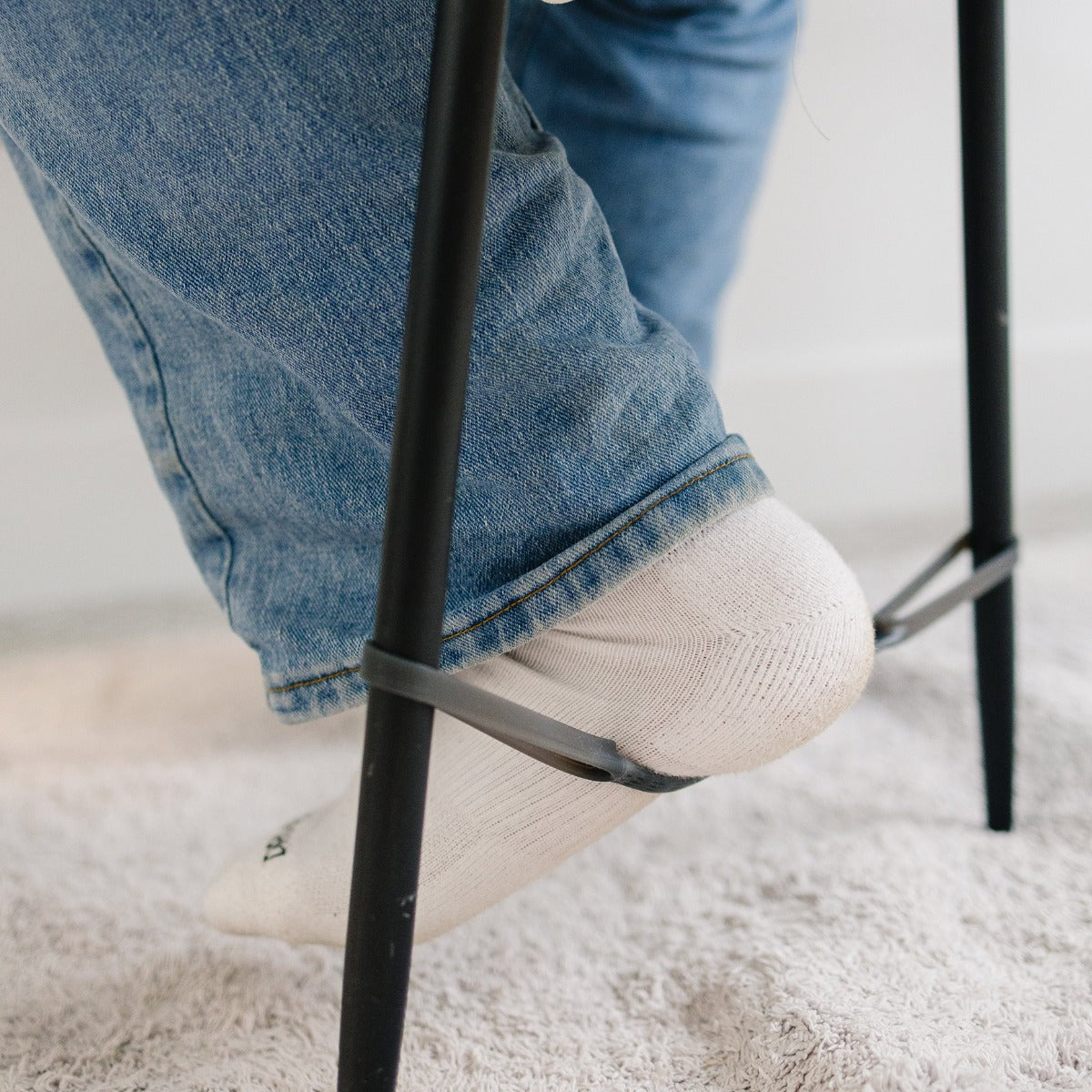
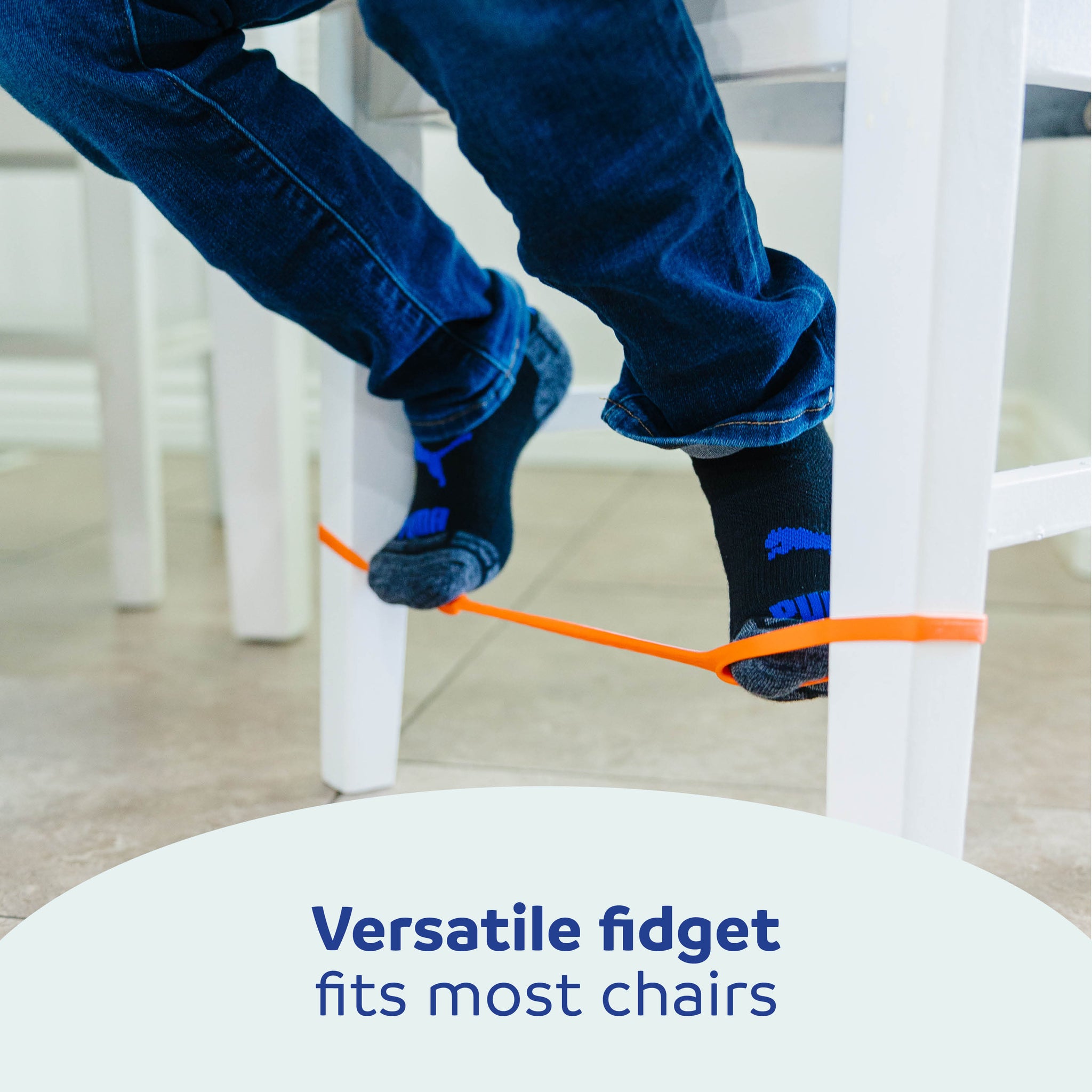



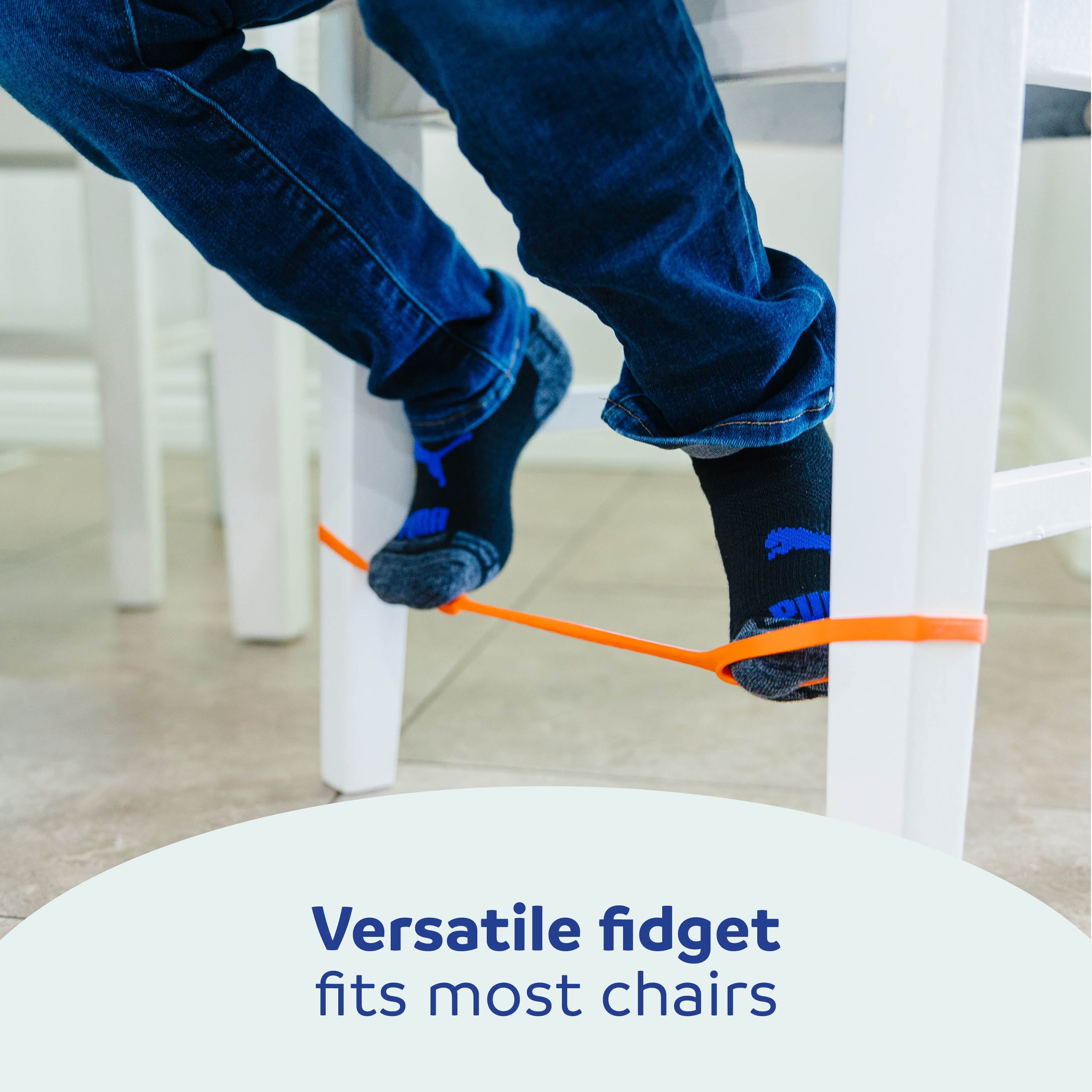
Stretch Me Chair Fidget- Set of 2

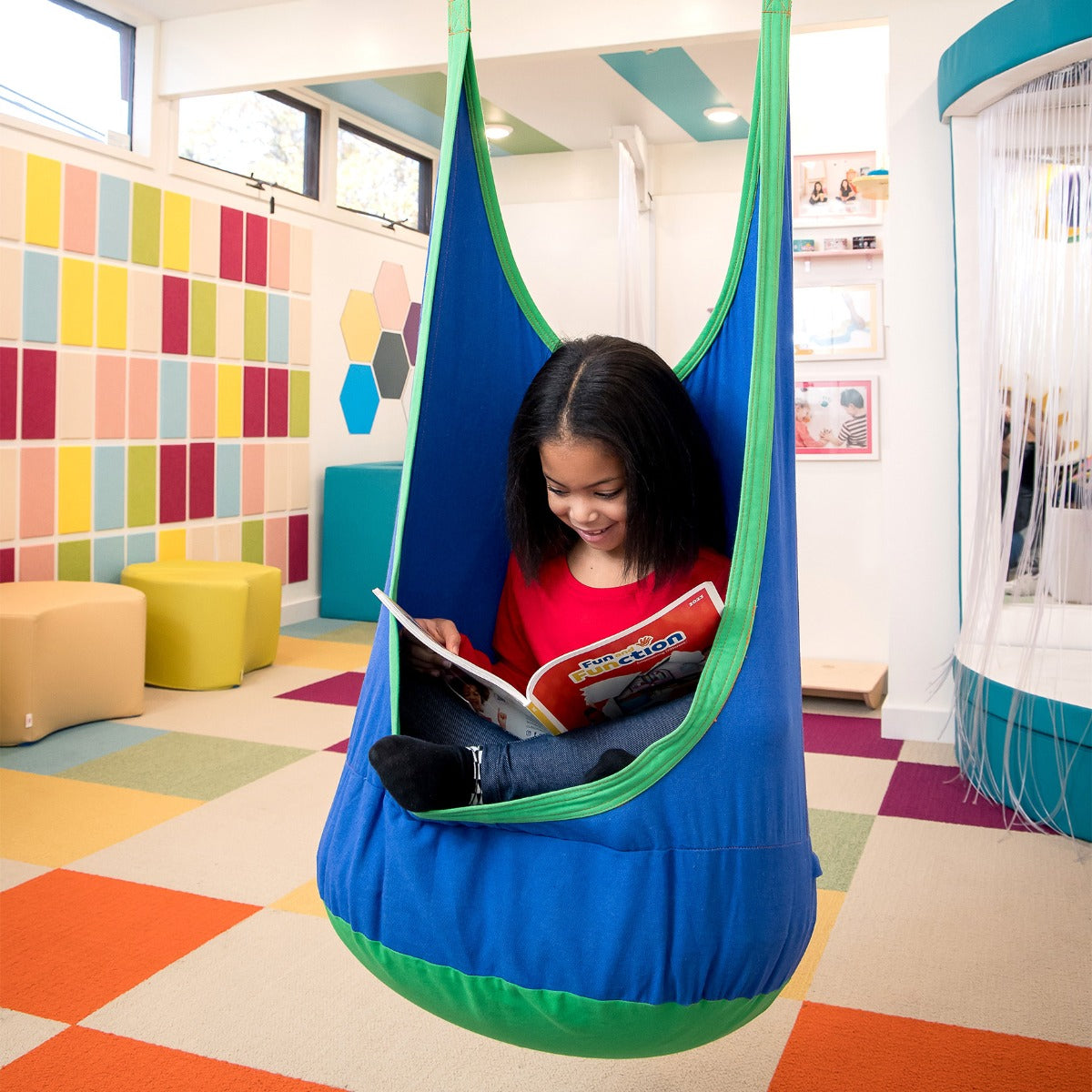
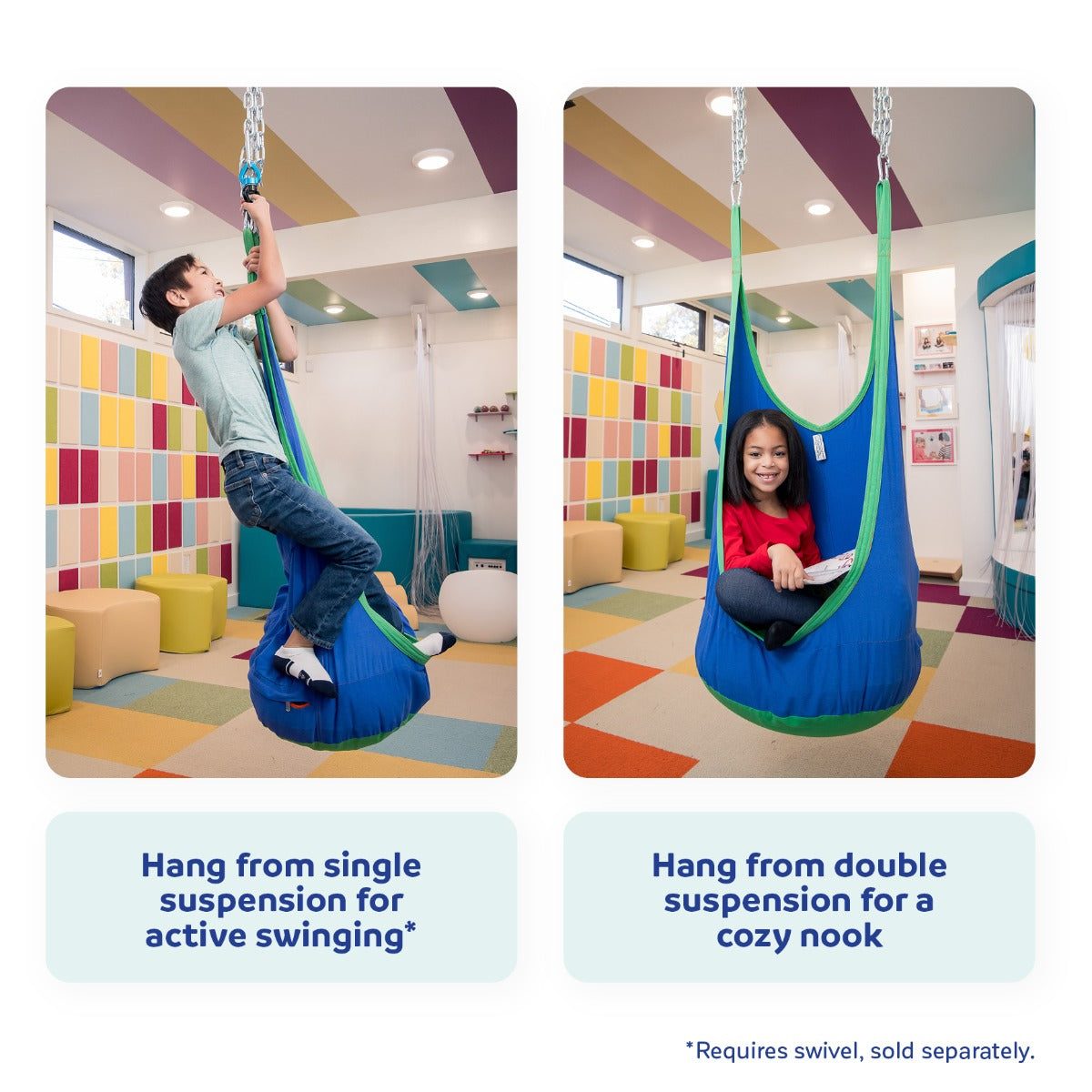
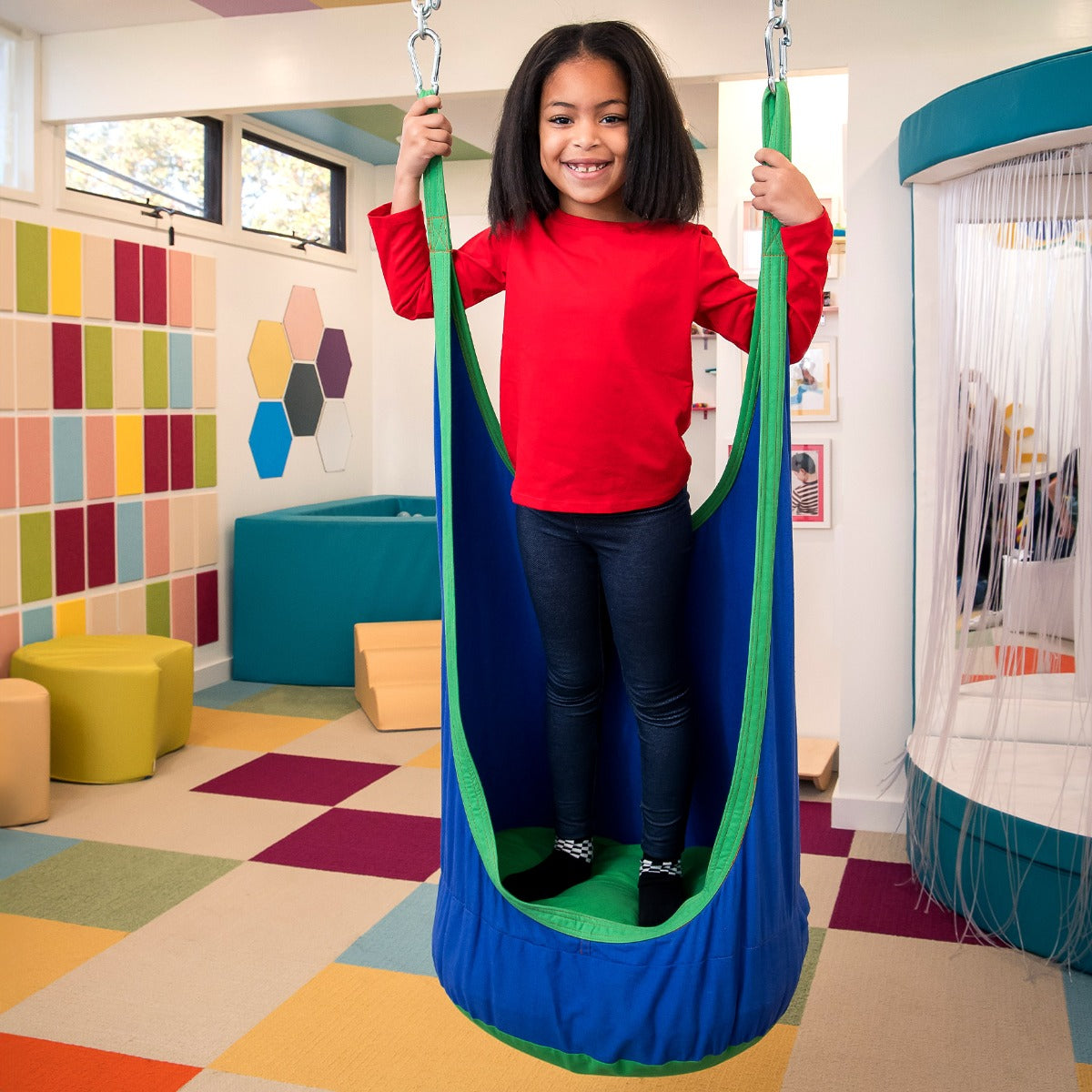
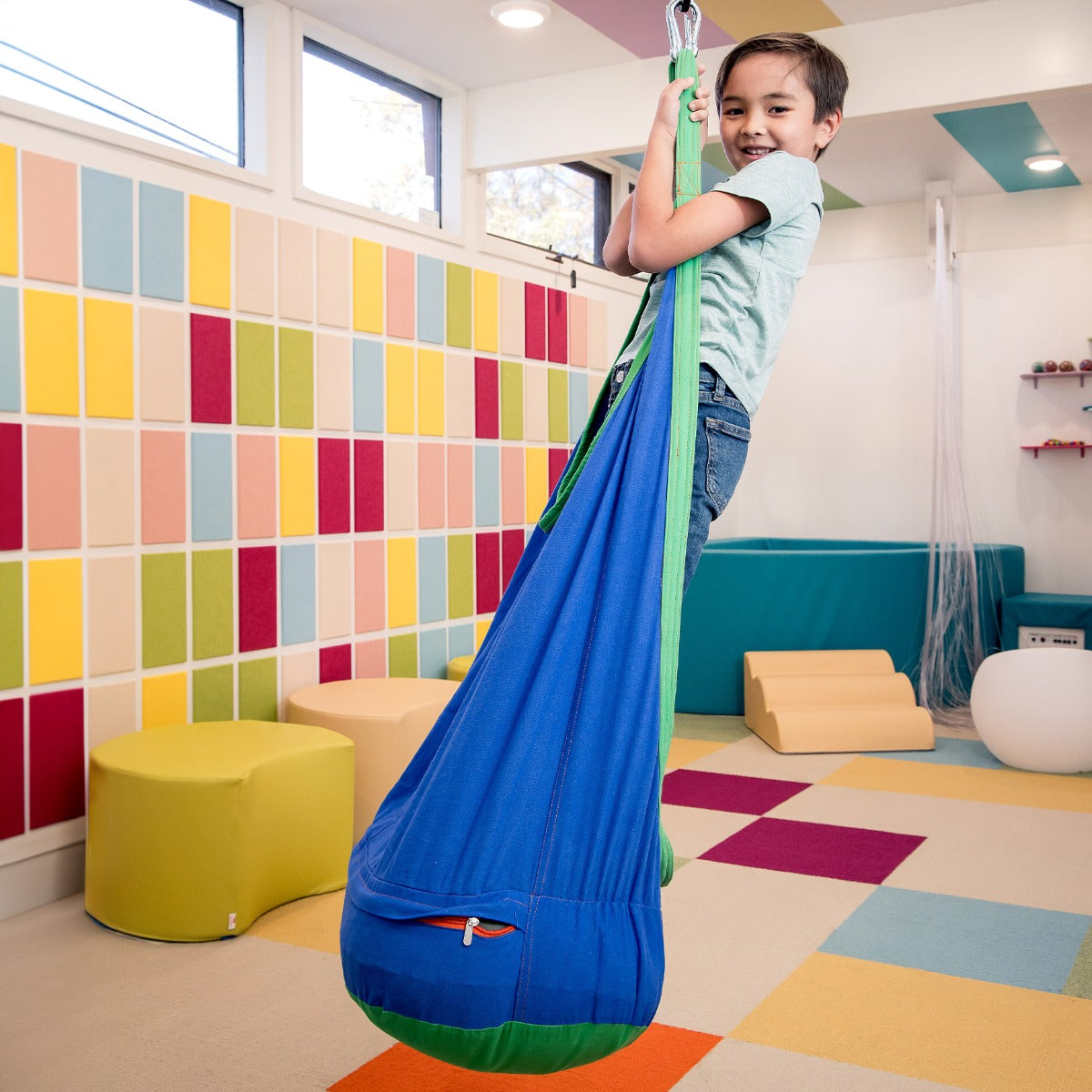
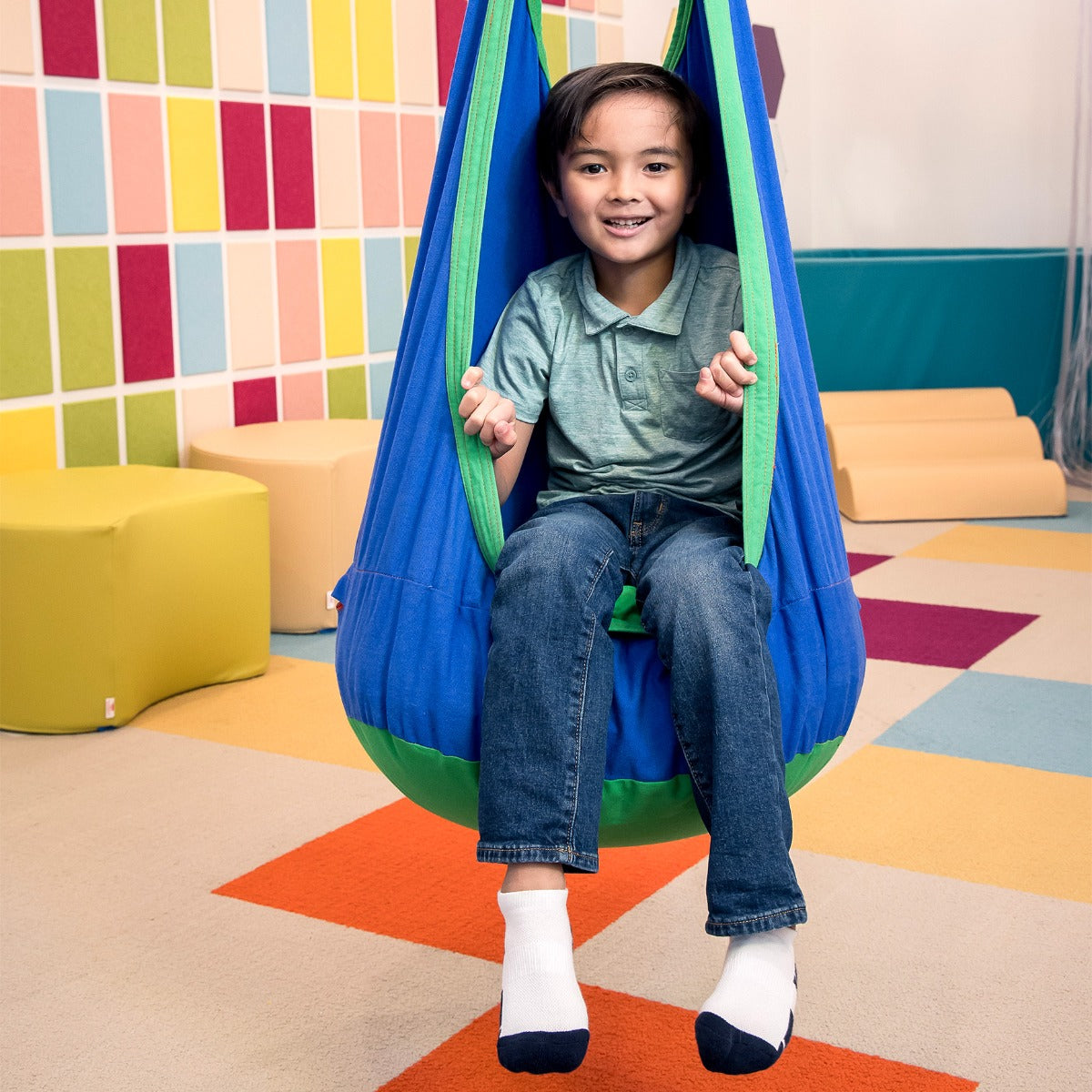
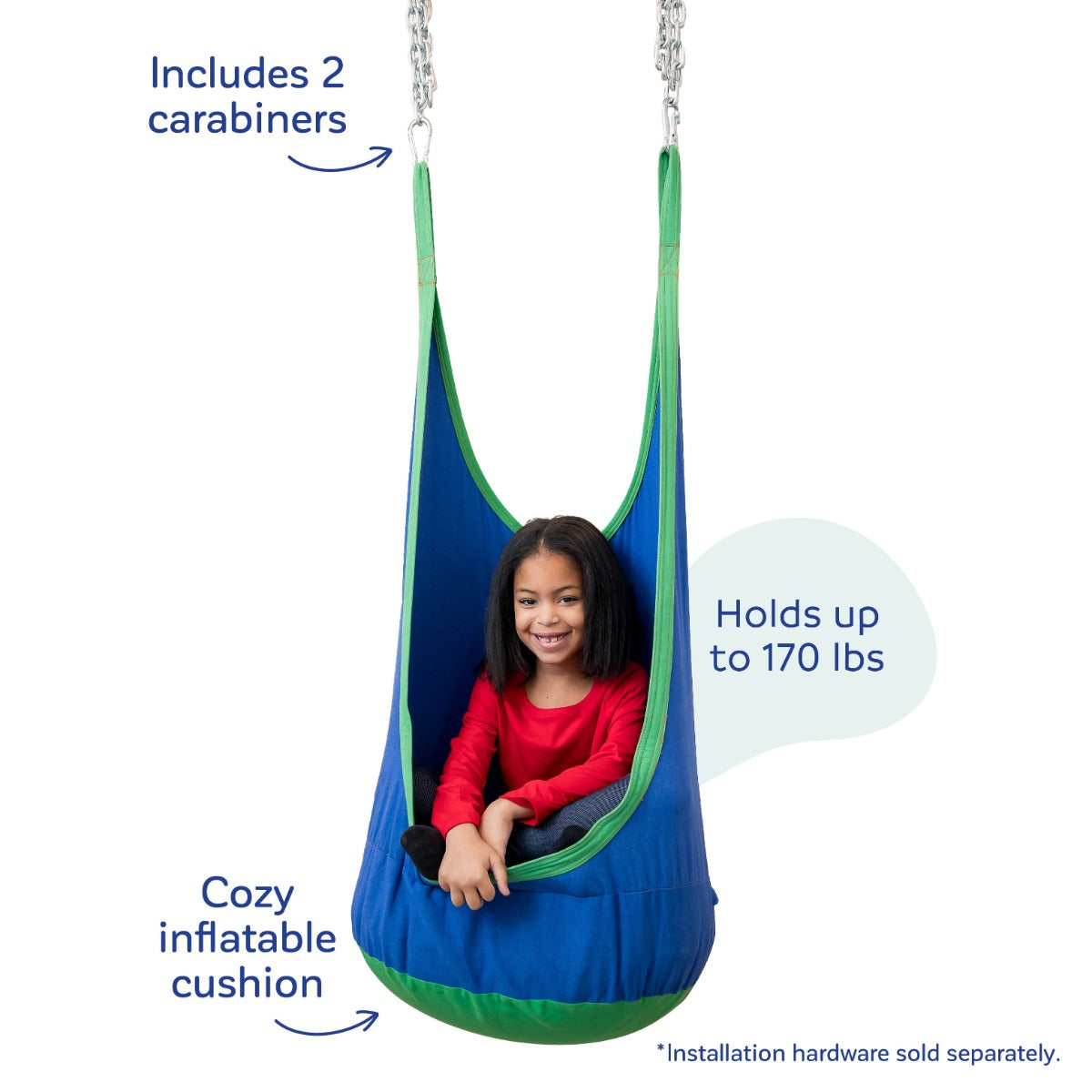
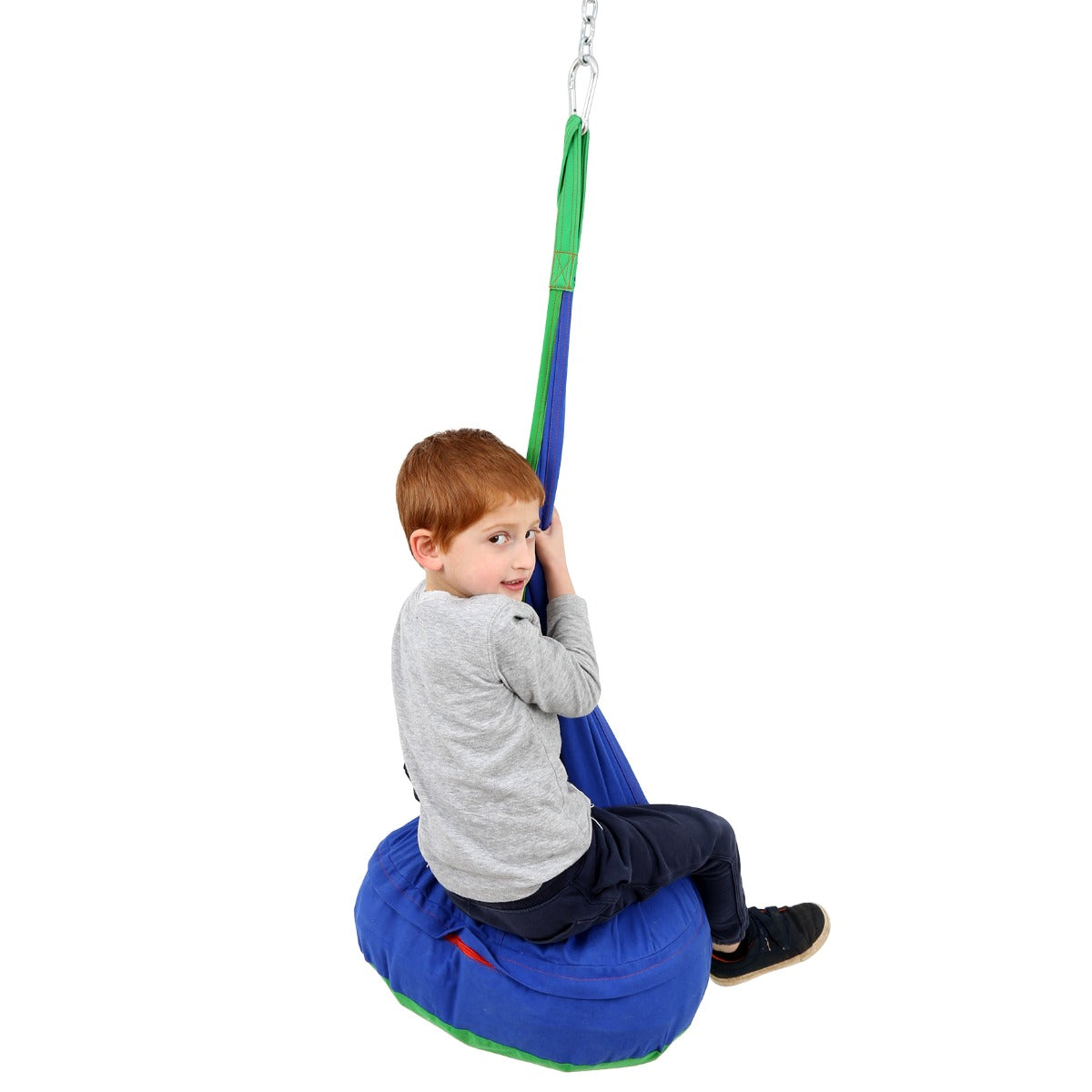
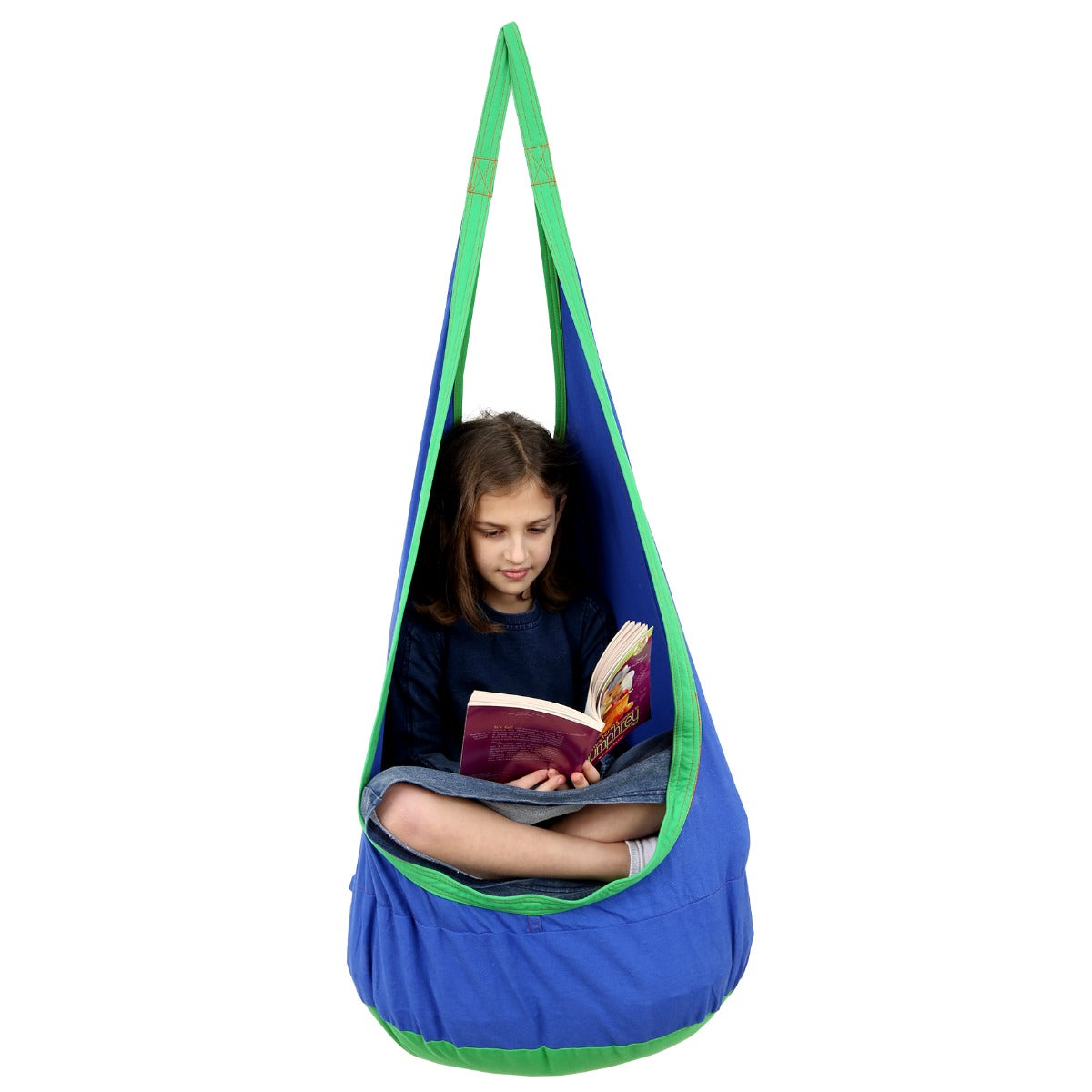
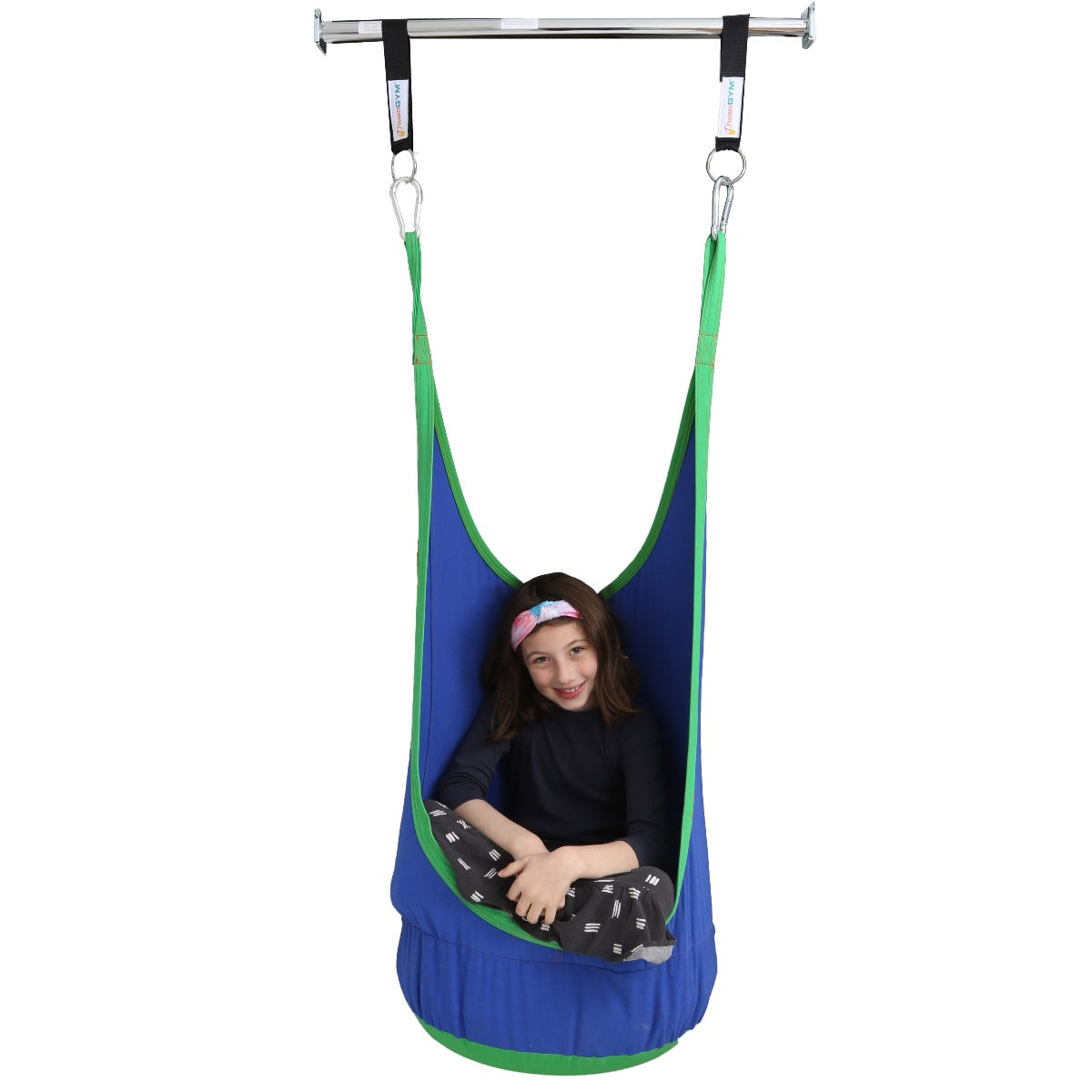
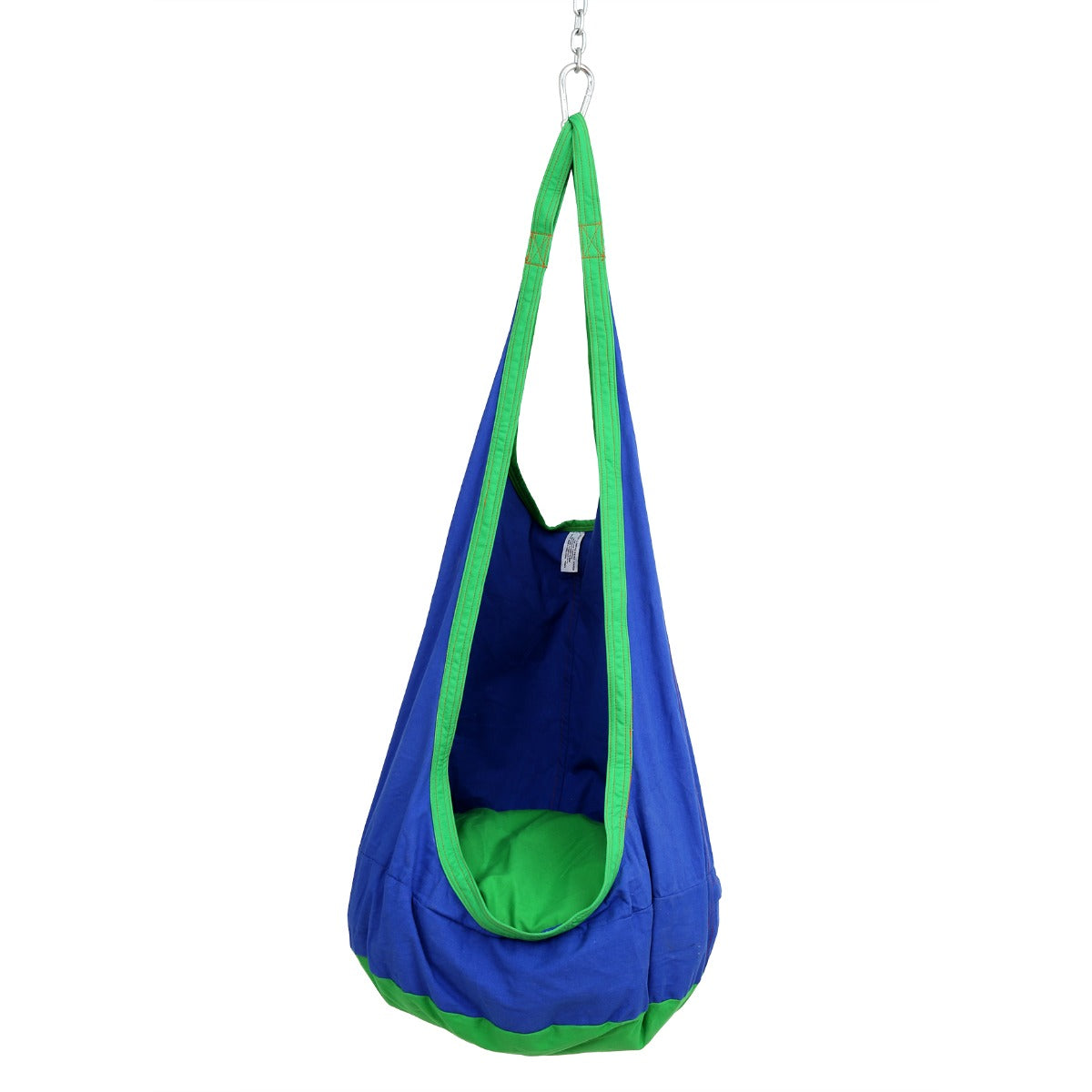


Cocoon Climbing Swing
Fidgets
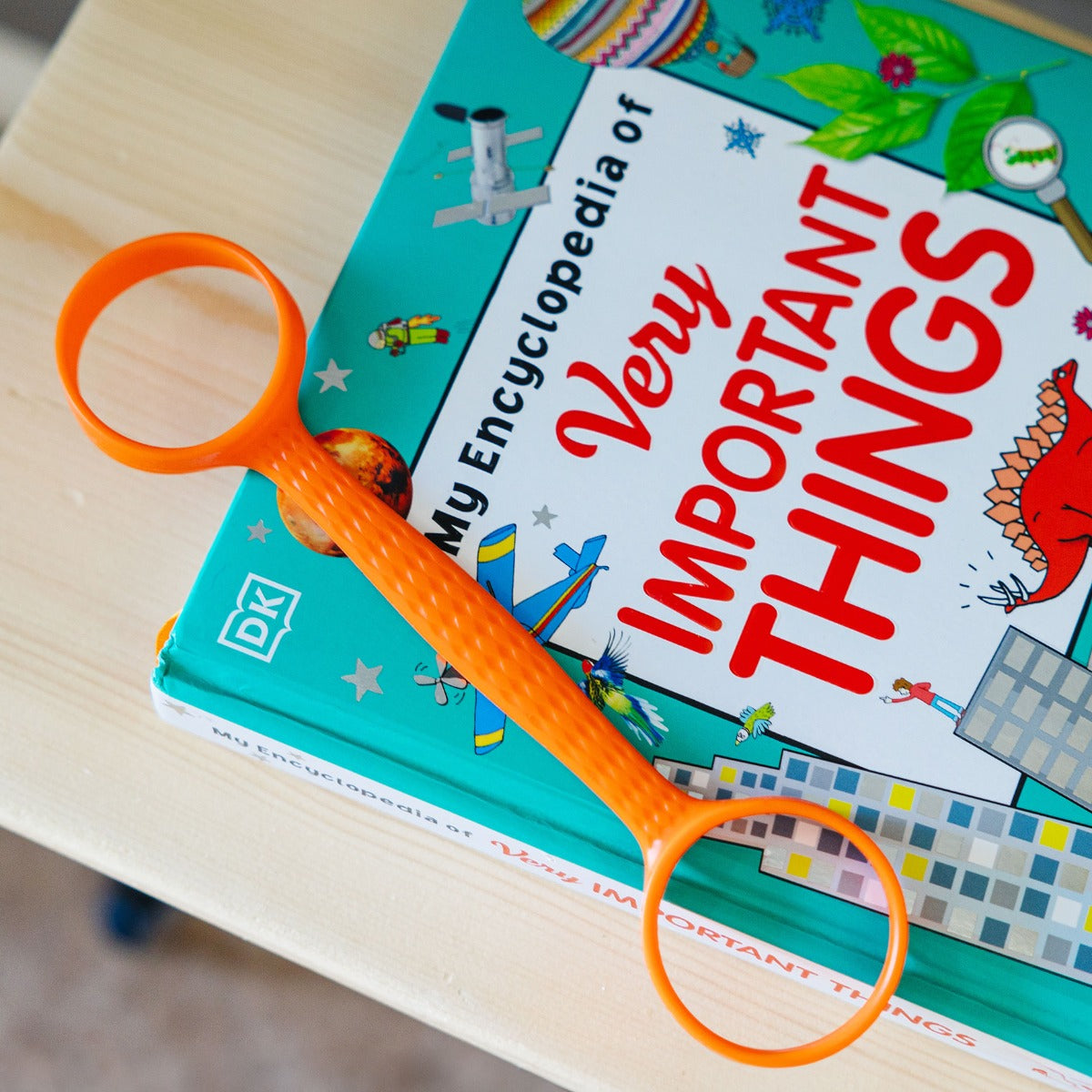
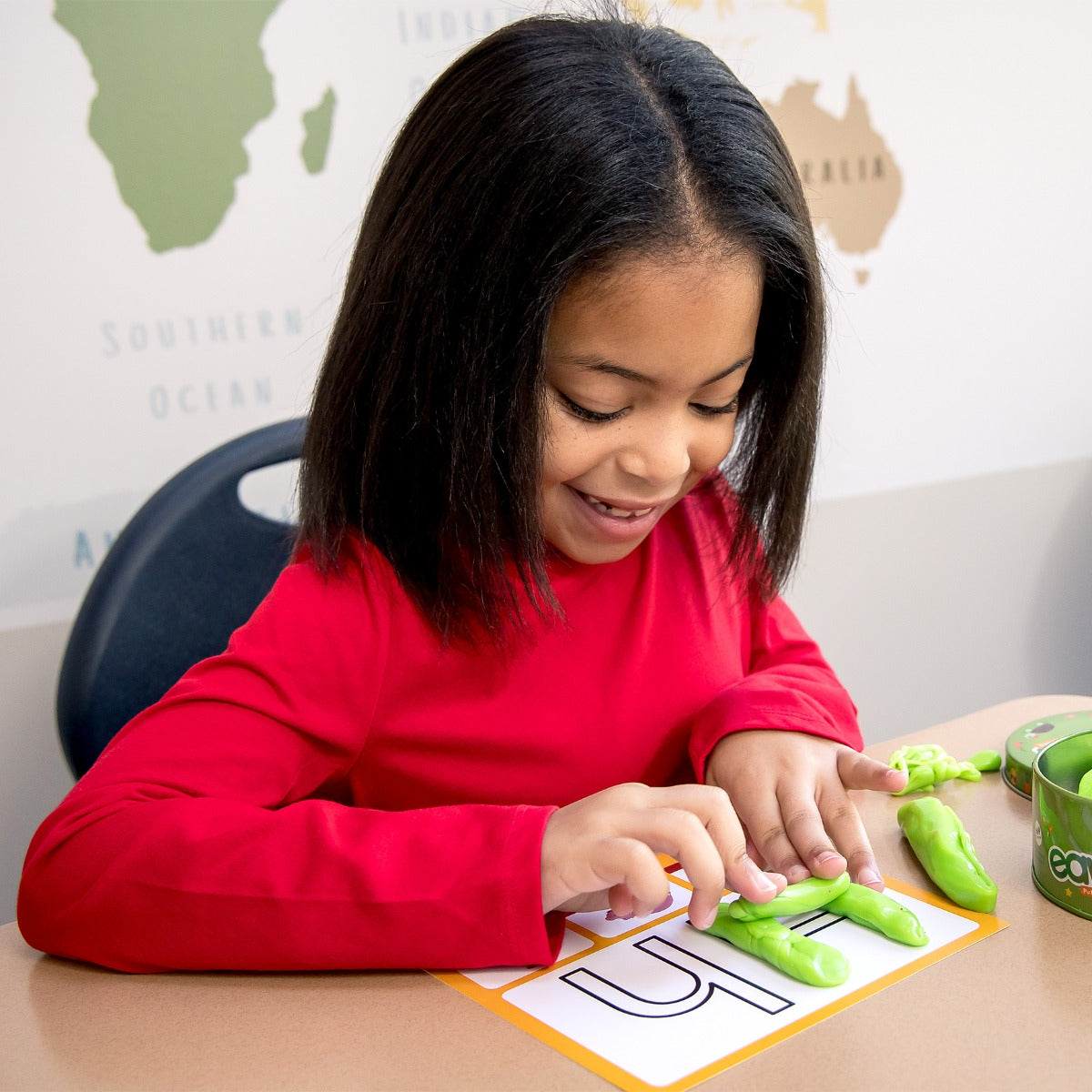
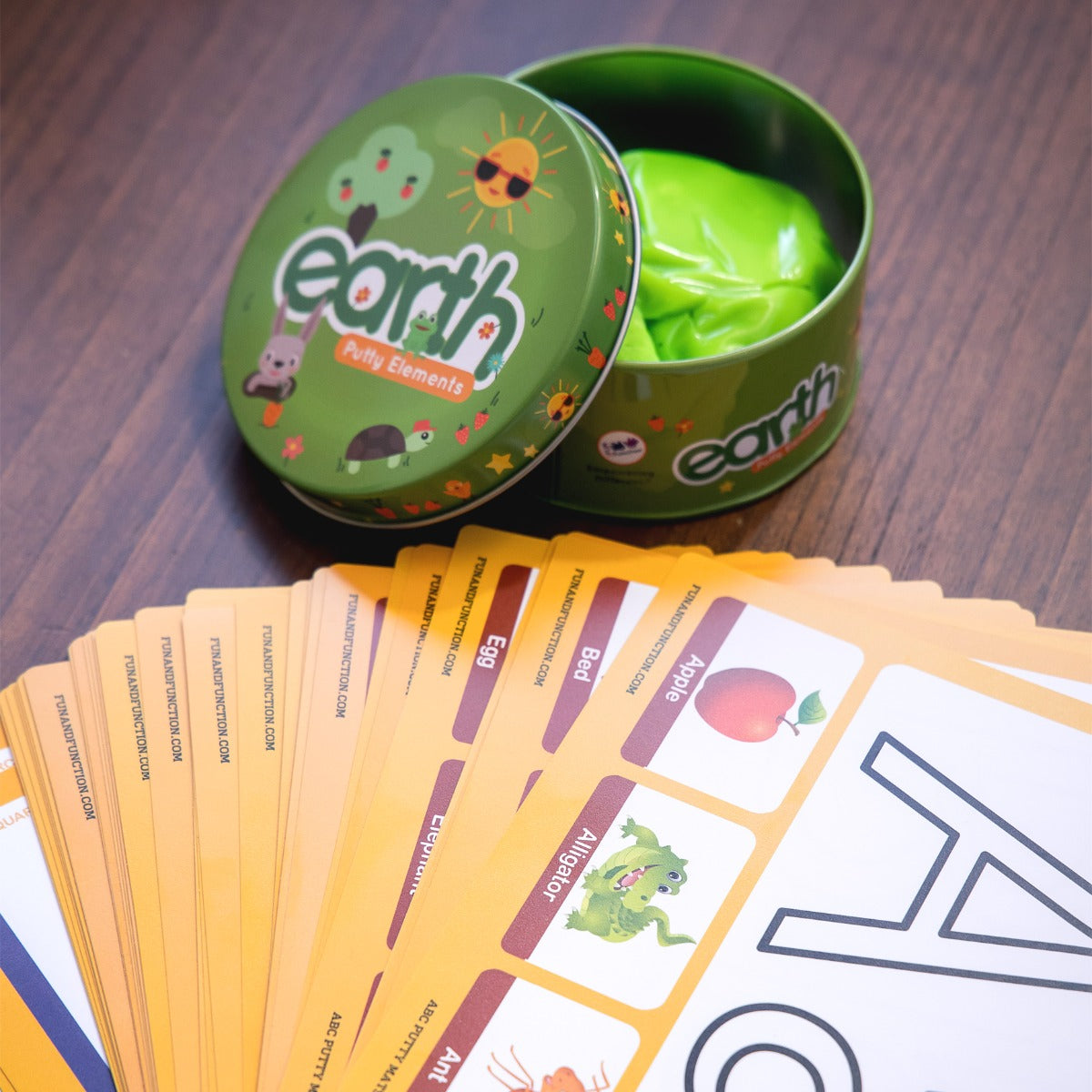
Many children find it easier to listen and participate in their surroundings when their hands are engaged with a fidget tool. The repetitive motion of fidgeting is a safe, often discreet outlet for excess energy. Keep a variety of tools in easy access for children to use on the go, at home, or during class. Things like putty, stress balls and chewable fidgets come in many different colors and themes to suit different preferences and needs.
Every child with autism has their own strengths, challenges and ways of connecting with the world. What works for one child may look different for another, and that’s okay. By building sensory-friendly spaces and using tools that support regulation, families and educators can create environments where kids feel understood. With patience and the right resources, children with autism can grow, learn and thrive on their own terms.

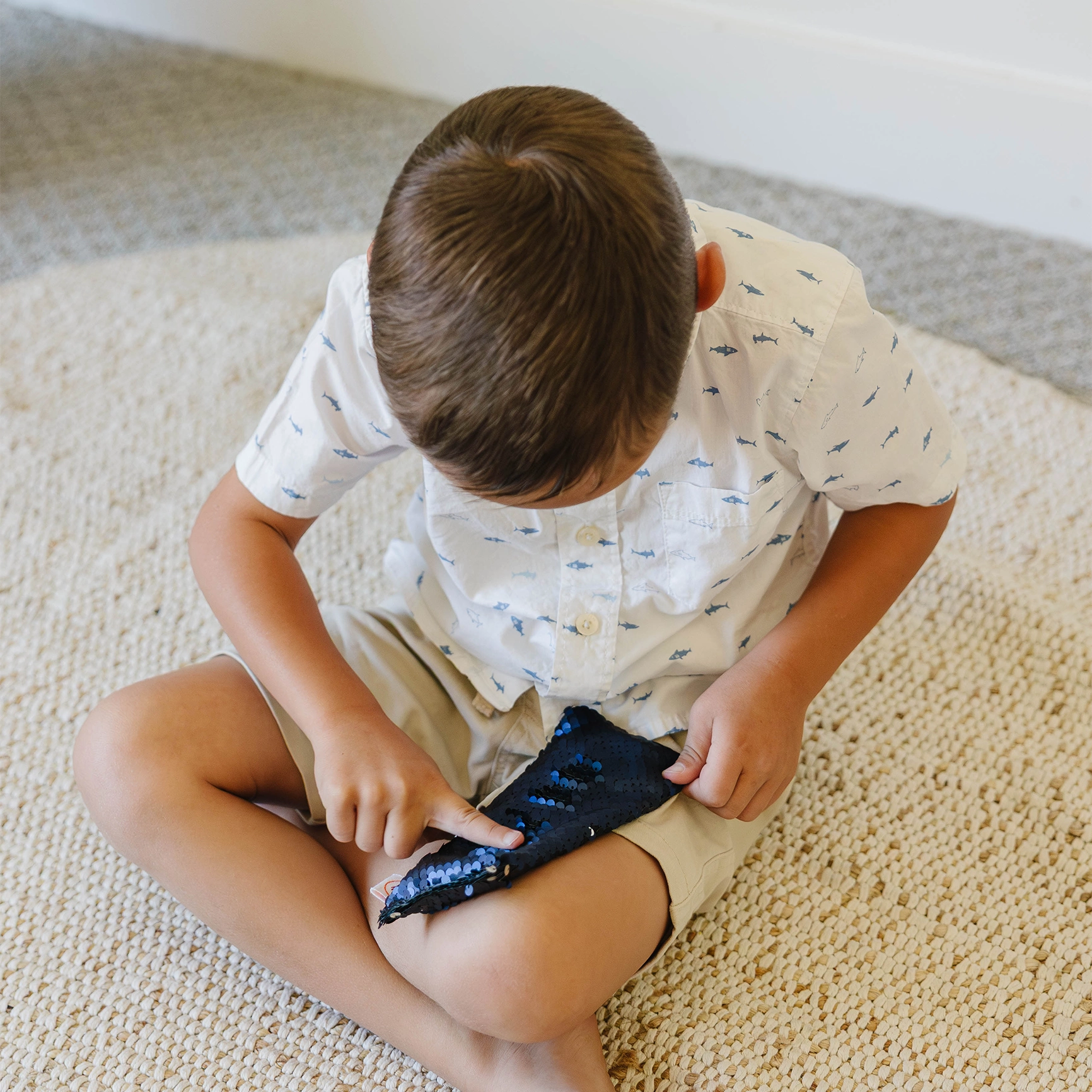
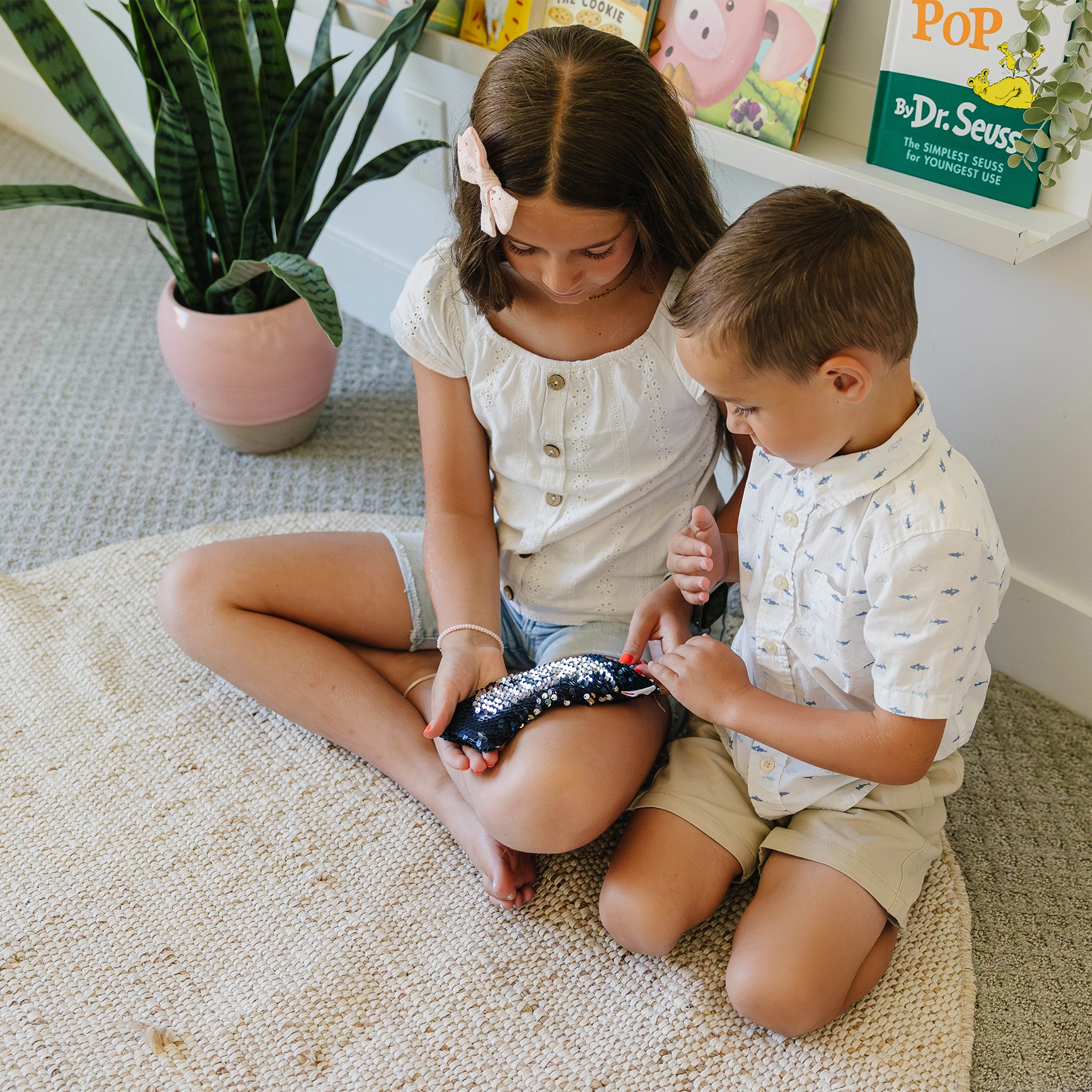
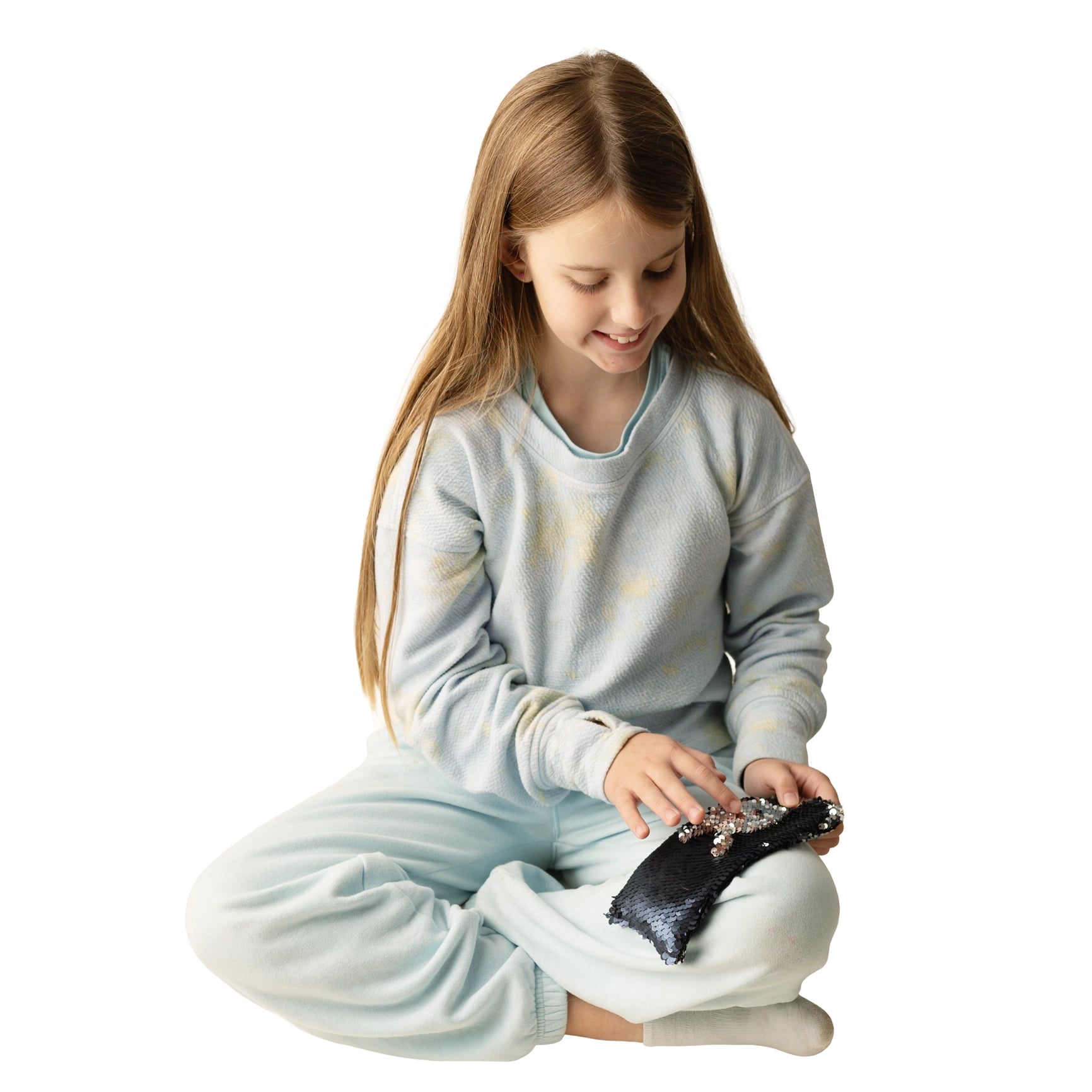
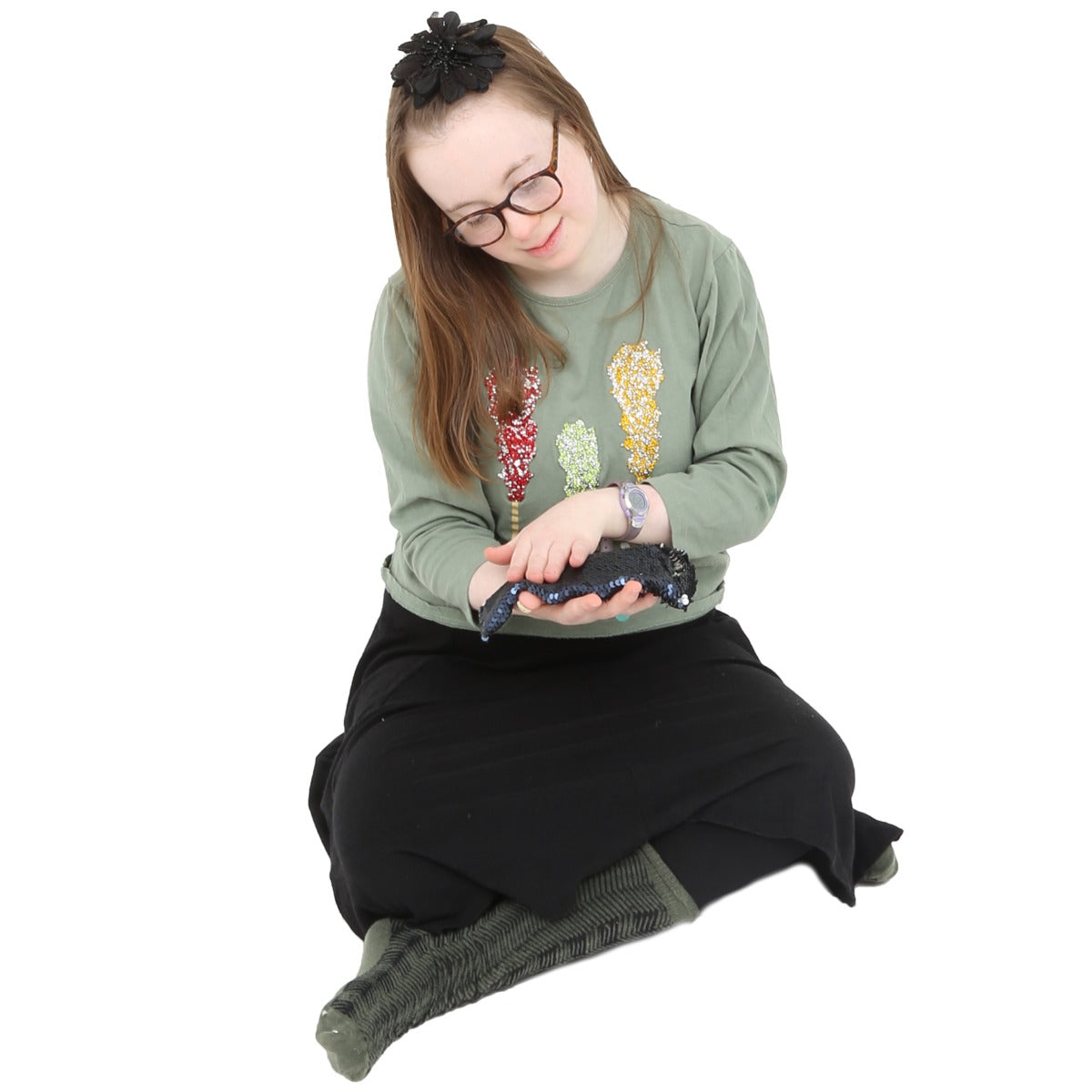



Weighted Sequin Fidget
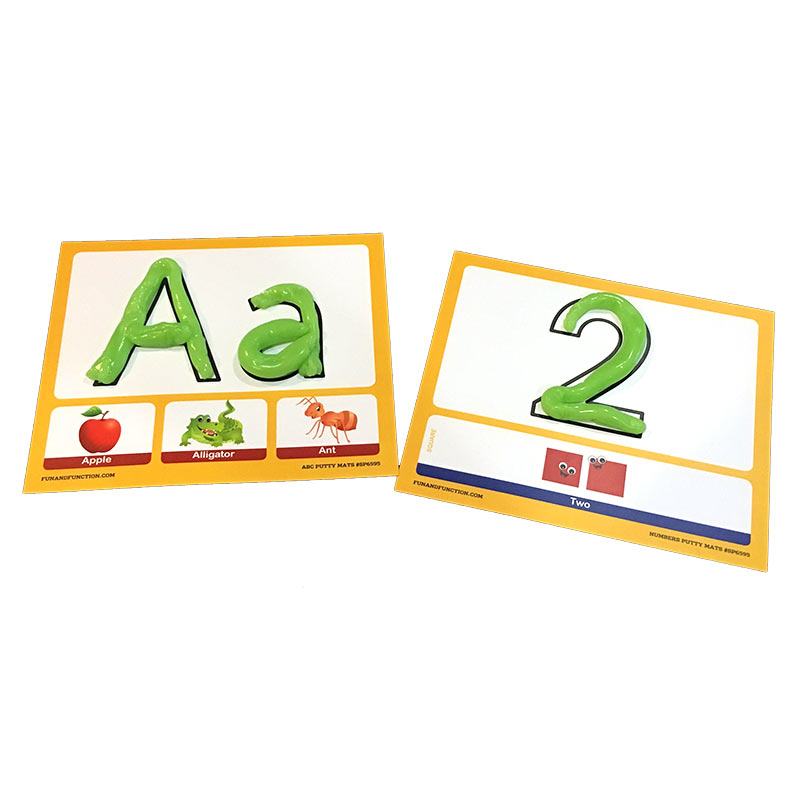
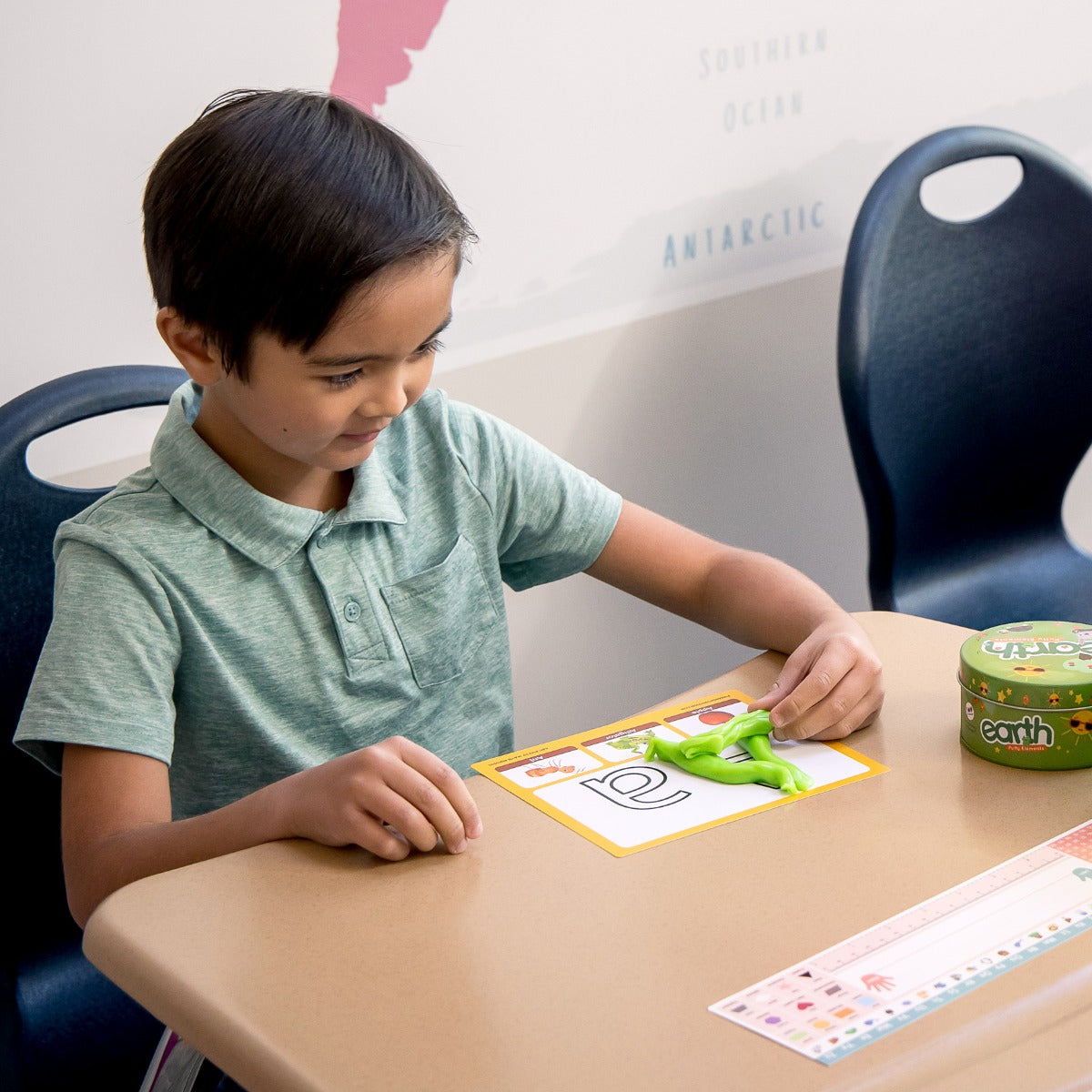
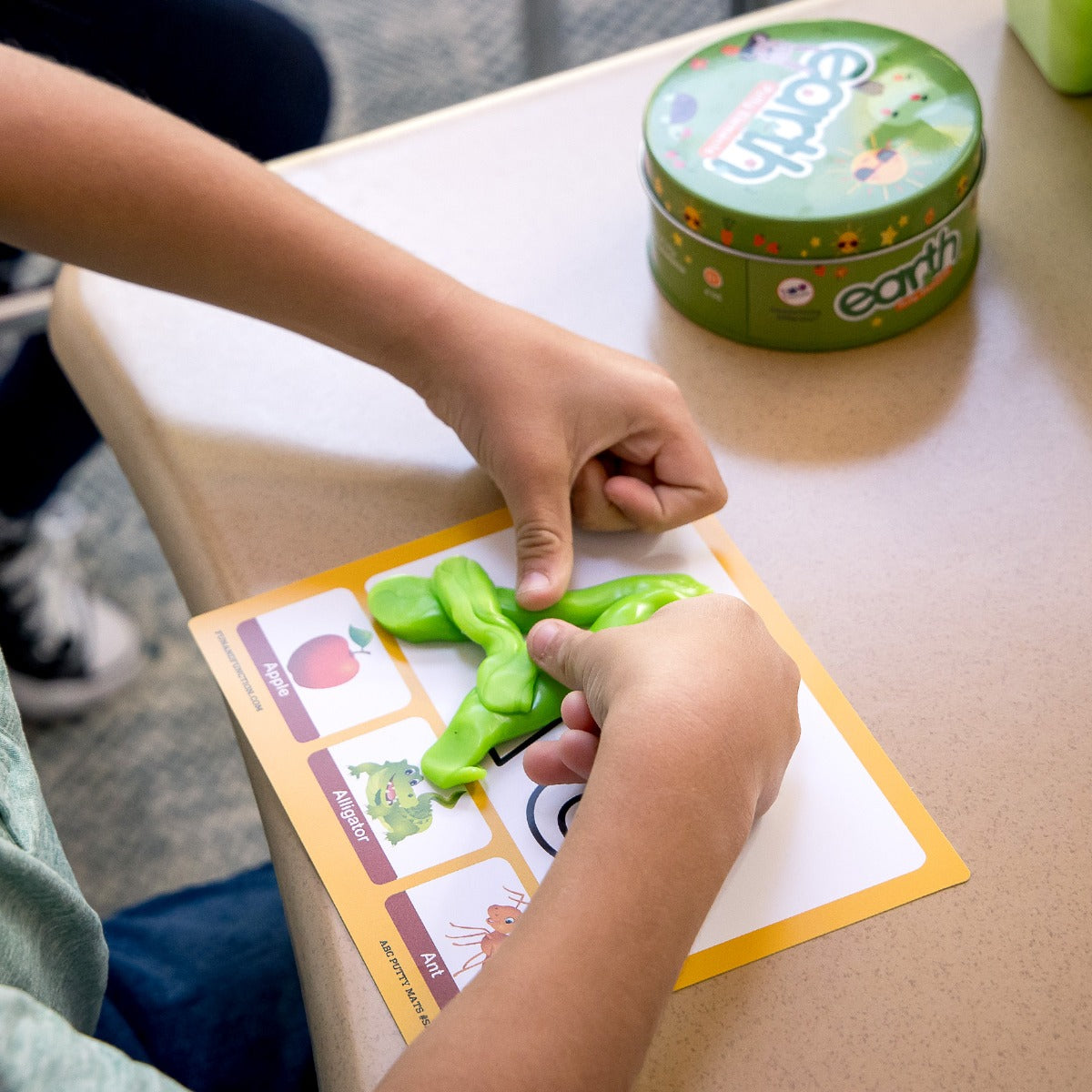
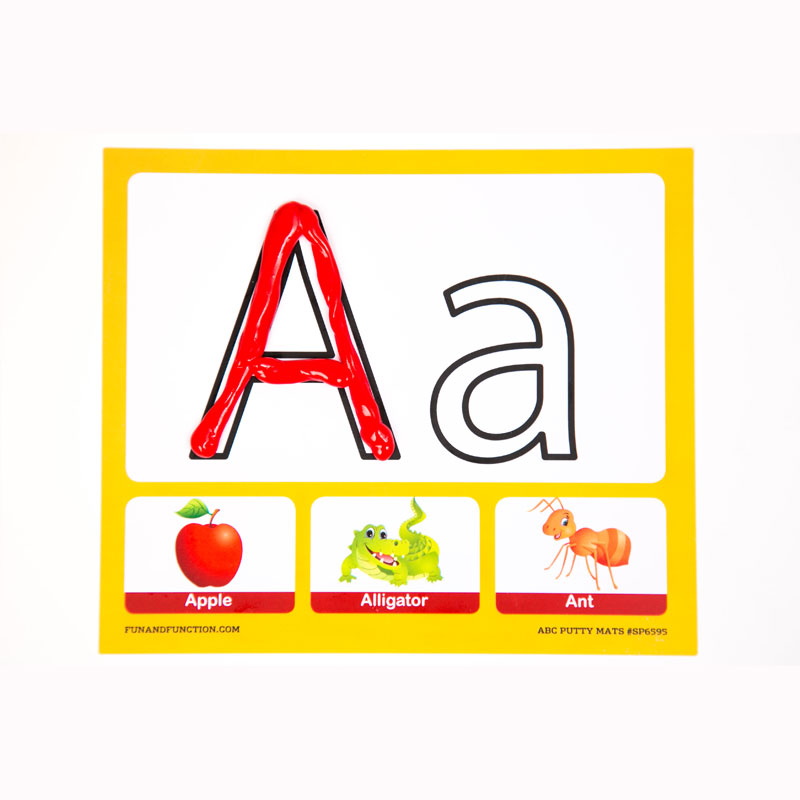
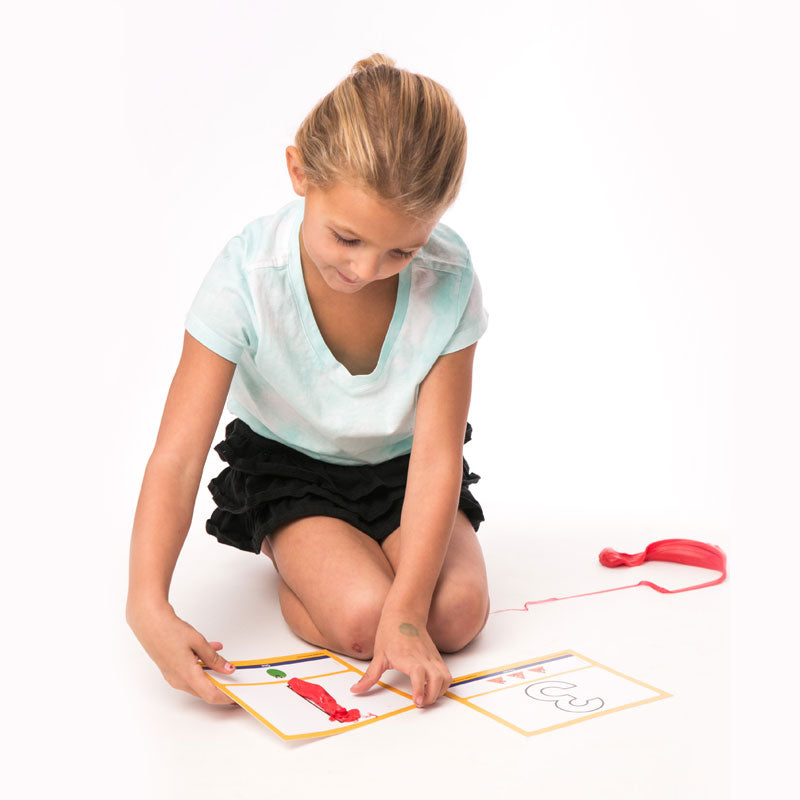



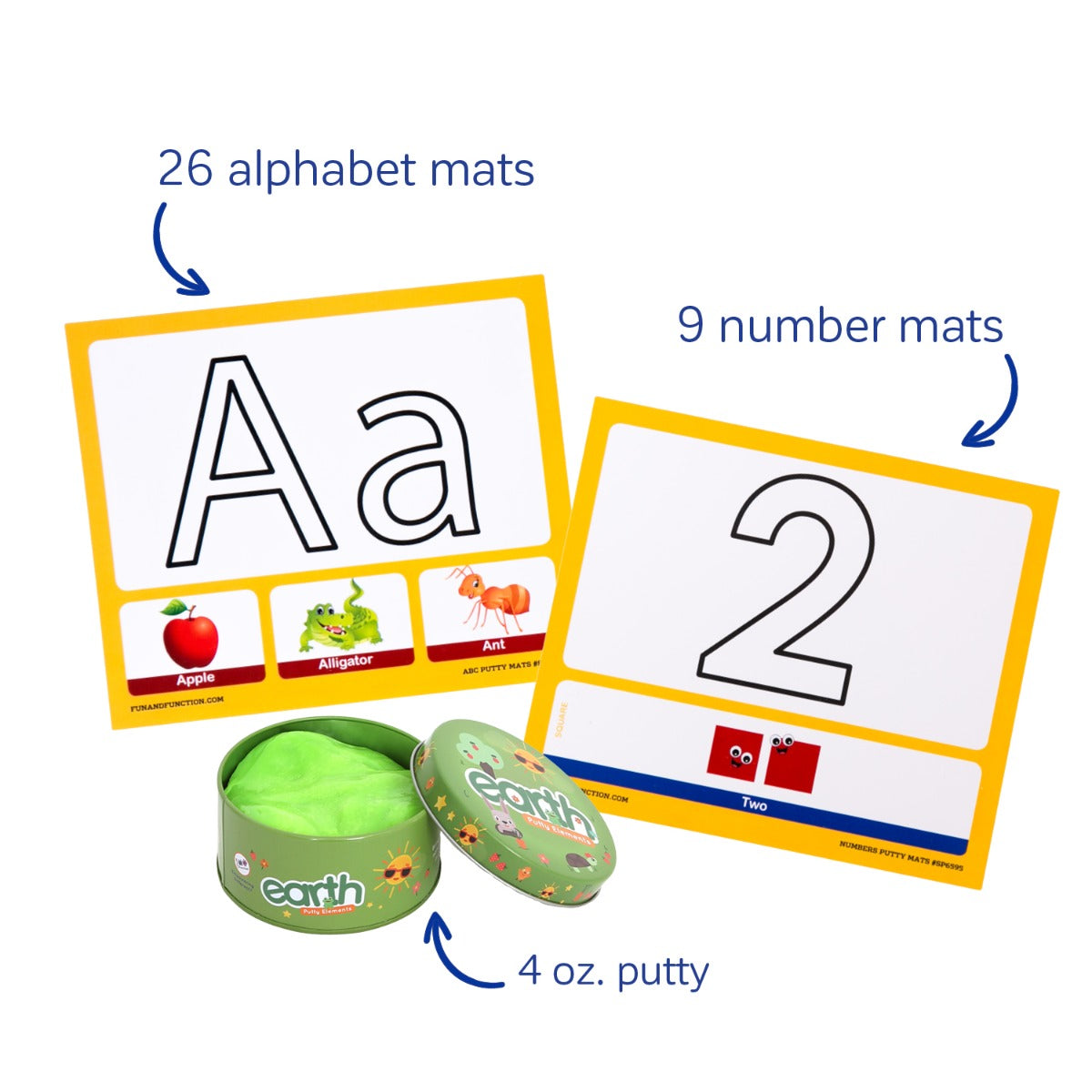


ABC 123 Putty Mats
FAQs About Living With Autism
What are the best ways to support a child with autism at home?
Create a consistent routine and structure for your child to reduce uncertainty. Use sensory supports whenever and as much as needed, and be sure to communicate clearly so that they feel comfortable.
How can teachers help students with autism in school?
Similarly to being at home, students with autism often benefit from a clear schedule throughout the day. Incorporate sensory tools into classroom activities, like flexible seating and handwriting supports, as well as sensory breaks to help children refocus.
What sensory tools are most effective for kids with autism?
Some of the most popular sensory tools for kids with autism include weighted products, movement tools like swings or wiggle cushions, and fidgets that provide sensory stimulation on the go.
How do I create a calming sensory room at home?
Choose a quiet area of the house that doesn’t get much foot traffic. Include comfortable seating, such as a bean bag chair, sensory-friendly LED lighting, and a few types of fidgets or weighted tools that your child finds calming.
What are safe foods for children with autism?
While “safe” foods vary, many children feel less stressed by predictable and familiar textures and flavors.
Which therapies are most effective for kids with autism?
Each type of therapy provides unique benefits. Common therapies used for kids with autism include occupational therapy, speech therapy and ABA therapy.
How do I handle school refusal in a child with autism?
Work together with the teachers and school therapists to identify your child’s triggers. By sharing your perspectives and observations, you can try to build a supportive routine for your child.



Leave a comment