


Co-Regulation Techniques and Strategies for Kids
Updated by Rivkie Berger, OT on 02/10/2026
4 min read

Co-Regulation vs Self-Regulation
Our days are filled with moments of self-regulation, even when we don’t realize it. Taking deep breaths when we feel stressed or taking a break from a frustrating task are examples of positive self-regulation skills. However, the ability to understand and manage our behaviors and reactions does not come naturally. It is a learned skill that is key to successful relationship building and task accomplishment.
As parents, we want to teach our children how to self-regulate, but where do you start? Keep reading to learn how to build upon a foundation of co-regulation in order to develop effective self-regulation skills.

What Is Co-Regulation?
Co-regulation is the process by which someone helps you manage your emotions and guides you to the appropriate response. This is in contrast to self-regulation, when you process and manage your emotions and behaviors on your own.
Co-regulation starts from birth. When a caregiver feeds a baby who is showing signs of hunger, they teach the baby to recognize when to feed themselves. When a child displays signs of fatigue, a caregiver can help them learn to recognize that they need to rest by preparing for bed. The goal of co-regulation is to provide the child with strategies and knowledge that they can apply on their own—without the assistance of someone else—when they need to regulate their sensory system.

Co-Regulation Strategies
Here are some co-regulation strategies that parents, teachers and other caregivers can use to help kids regulate their emotions and work their way up to effective self-regulation.
1. Active listening
Create a safe space for your child to share their thoughts and feelings by paying attention as they speak, and then reflecting back to them what you hear them saying. This serves both as a way to help children feel safe and understood, but also gives them a chance to articulate themselves better if they actually meant something else. When kids feel secure, they are better able to focus on understanding their emotions.

2. Be empathetic
It’s important for kids to feel safe expressing how they feel. Validating their emotions and experiences will allow them the space to share their feelings and thoughts, so that they can work towards an appropriate response. For example, try saying to a child, “I know you’re upset that our trip was canceled. It’s okay to feel mad! I’m also upset about it.” Then discuss things you can do together to try and feel better.

3. Model calm behavior
Remaining calm in the face of stressful situations shows children how to manage their own reactions to various scenarios. Remember, kids look to you for guidance and will see how you regulate your emotions. You need to remain calm in order to help someone else feel calm. Use deep breathing, sit in a comfortable bean bag chair, or grab a favorite fidget when you need a calming boost.


4. Routine and predictability
Provide structure and reduce potential anxiety through a consistent routine. When kids feel stressed or anxious, they may have a more difficult time regulating their emotions. By maintaining predictability you can create a calmer environment in which they can learn to self-regulate.

5. Physical contact and comfort
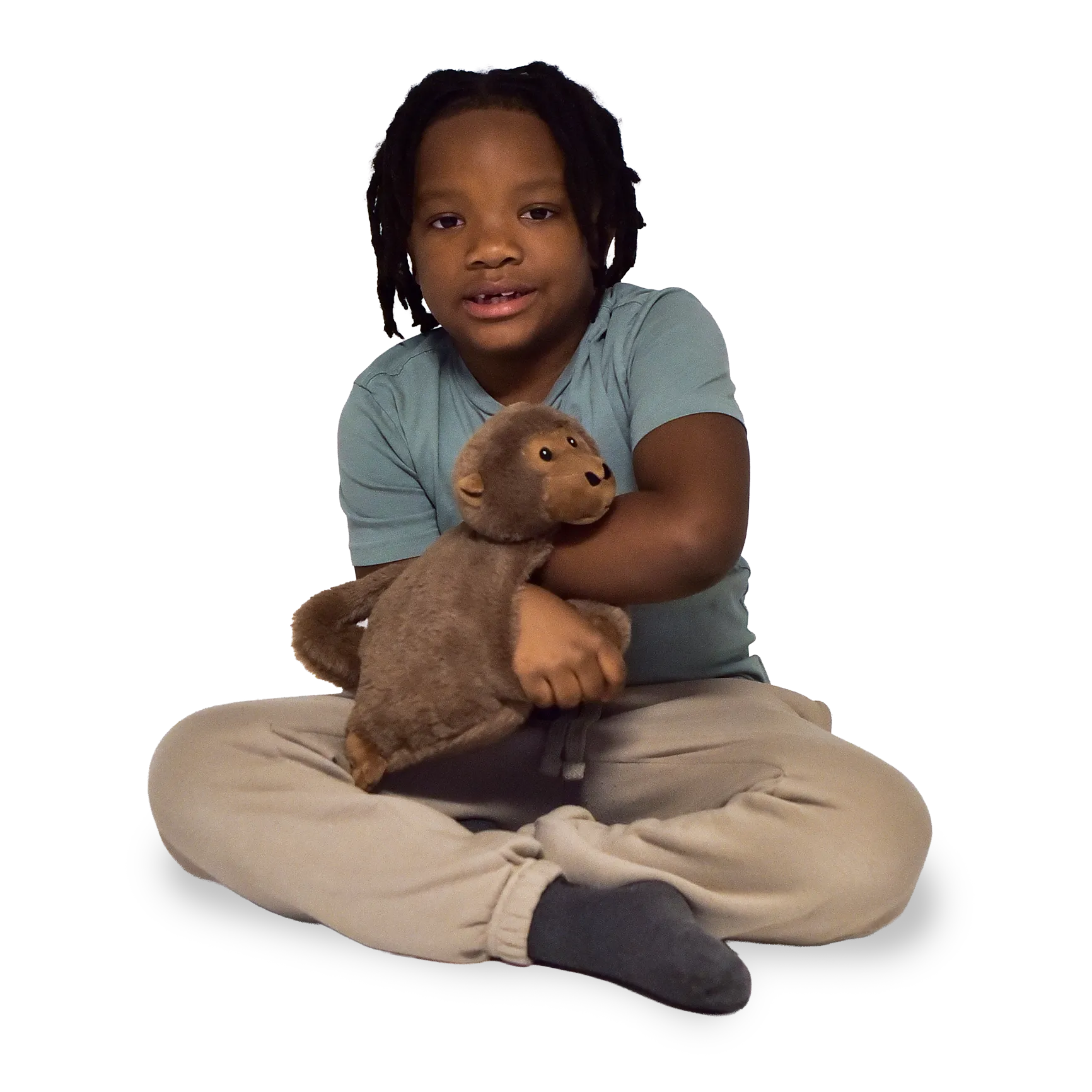
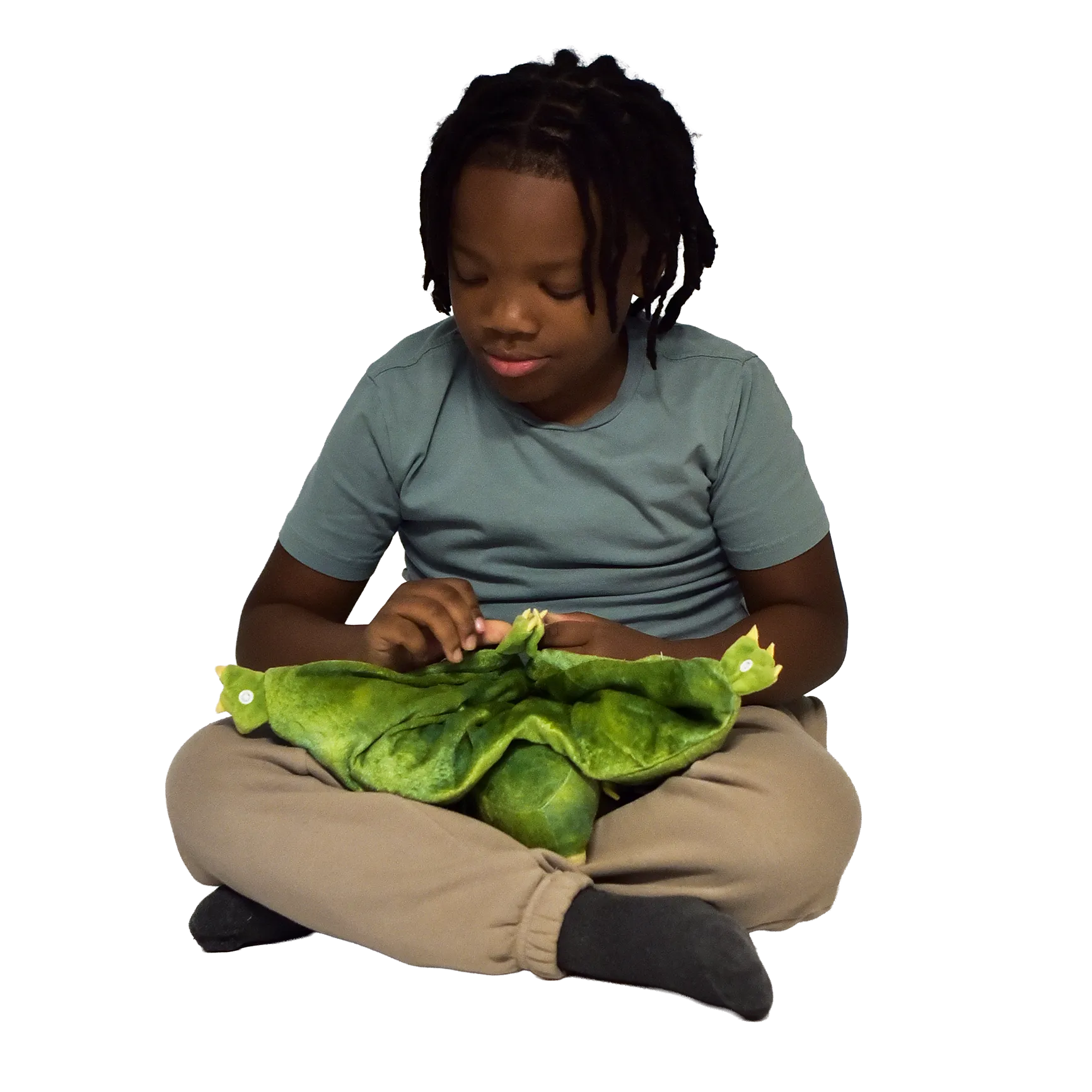
When appropriate, offering physical comfort such as a hug can help an upset child feel secure and promote a sense of well-being. You can also offer them a weighted animal to hold or a body sock to wrap themselves in tightly as alternatives.


6. Positive reinforcement
Praise and positive reinforcement encourage kids to continue to develop and utilize self-regulation techniques. Use Visual Cards for Self-Calming to experiment with different calming activities, then discuss how each made the child feel afterward. Encourage them to continue using the activities that left them feeling the most calm.

7. Be a detective
Observe which sensory tools calm your child when they feel overwhelmed or under-stimulated, then guide them to those tools. Keep in mind that this may change with time or in different situations, but by creating an arsenal of sensory tools and strategies you can help kids build skills to better regulate themselves.




Co-Regulation Examples
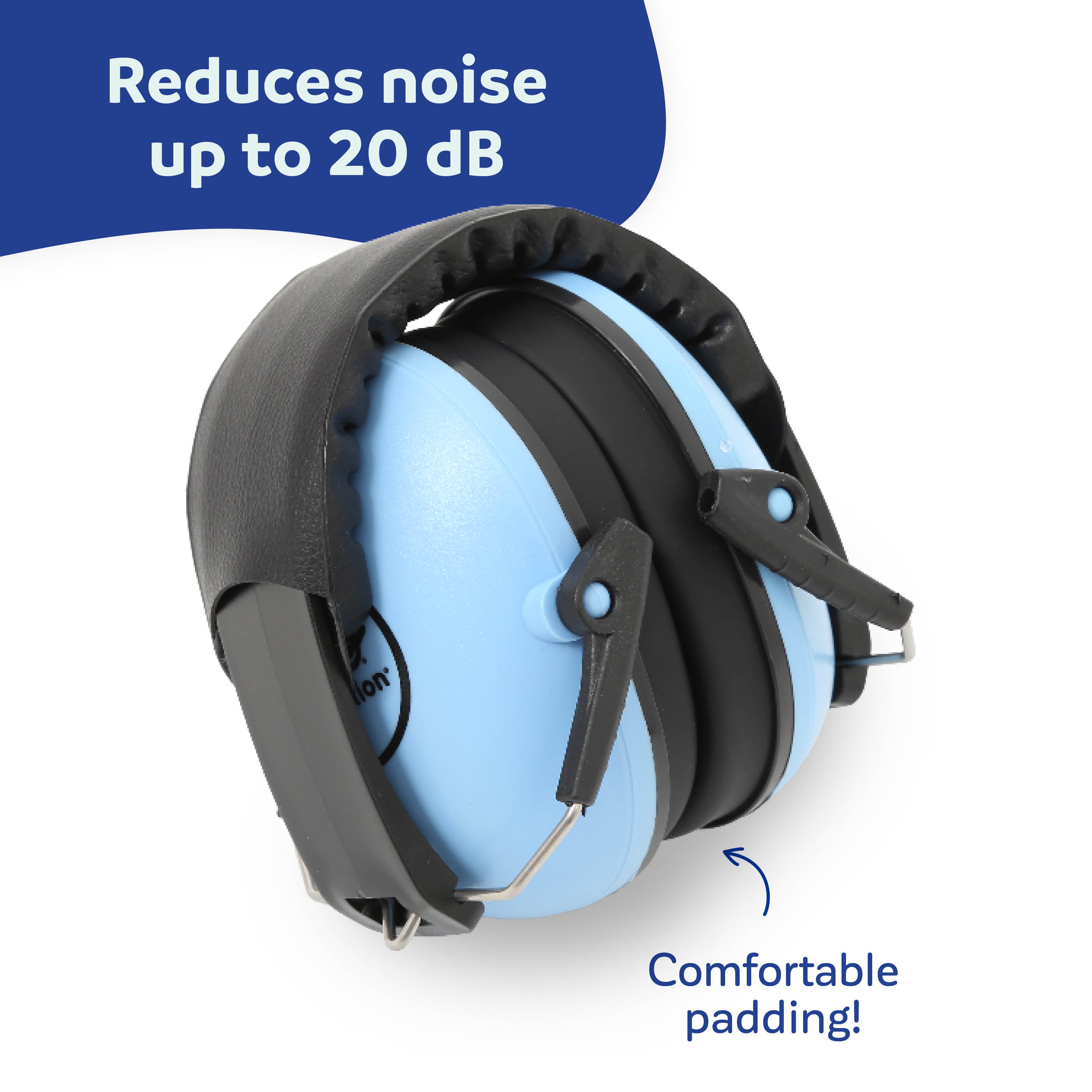
A public library in Pennsylvania partnered with Fun and Function to create a sensory-friendly environment that supports co-regulation for children and families. They introduced a sensory library cart stocked with tools like fidgets, weighted lap pads, noise-canceling headphones, and visual timers. These resources help children manage sensory input and emotions while reading, attending programs or simply spending time in the library. By offering these tools in a welcoming public space, the library models co-regulation by providing external support that helps children learn to self-regulate over time.
The classroom corner should be introduced to the students with clear objectives. For example, if the goal is intended to be a calm-down space then you should explain that it is a safe space for students to go to and take a break when needed. Additionally, explain the use and purpose of each tool in the space.




Turning Co-Regulation Into Self-Regulation
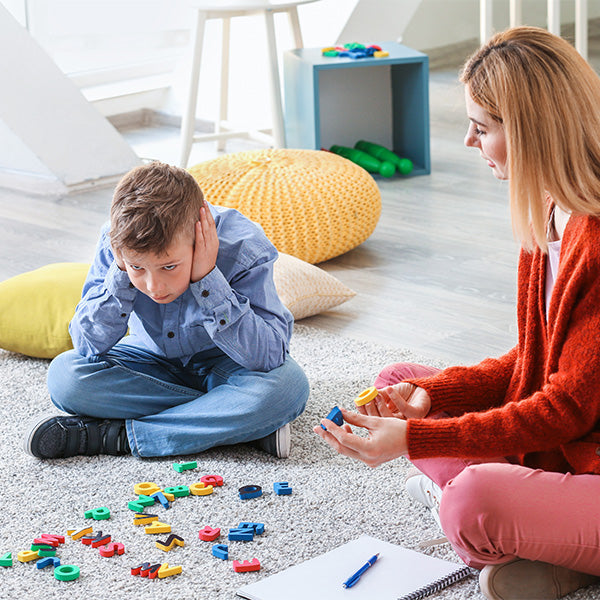
While co-regulation is an important foundational step toward self-regulation, the aim is for children to learn to use regulation skills on their own when they feel dysregulated. The techniques they use will differ from child to child, depending on their sensory preferences and needs.
Kids can use Emoji Emotions Cards to help name how they feel in a given situation. Recognizing what triggered them will allow them to take the next step in choosing a regulation strategy to use. Deep breathing is a great way to calm the mind and body, so that they can focus on what to do next. Having spent time co-regulating and identifying soothing techniques and activities, children will now be armed with the appropriate tools to choose from themselves.
By teaching kids to use the tools and strategies mentioned above, you can help them develop the skills to effectively self-regulate throughout their lives, regardless what situations they may find themselves in.
Check out our full range of social-emotional tools to improve self-regulation skills.



Leave a comment