What 28 Occupational Therapists Share About Our Sensory Tools
4 min read

With a huge variety of sensory products on the market, it can be challenging to choose the tools that will work best for your students. Our team partnered with a group of 28 occupational therapists to rate sensory tools they use with their students, by sharing their feedback on effectiveness and practicality in the school setting.
How the Products Were Reviewed
The occupational therapists who took part in this study reviewed the sensory tools by answering questions on a survey. Each of the 28 participating therapists did not rate every product included; to ensure accurate results, we presented percentages of total responses for that particular product, rather than a percentage of the total survey respondents.

Key Takeaways From the OT Feedback
Here are a few insightful themes we discovered that may be helpful in your work with children with sensory needs.
- OTs appreciate tools that are simple to use and can be easily integrated into daily routines at home, school or therapy. Our Noise Reduction Headphones and the Stretch Me Chair Fidget came up repeatedly
- Products that support self-regulation and encourage focus, such as Wipe Clean! Lap Pads and Weighted Tactile Bean Bags, were rated as highly beneficial by the OTs
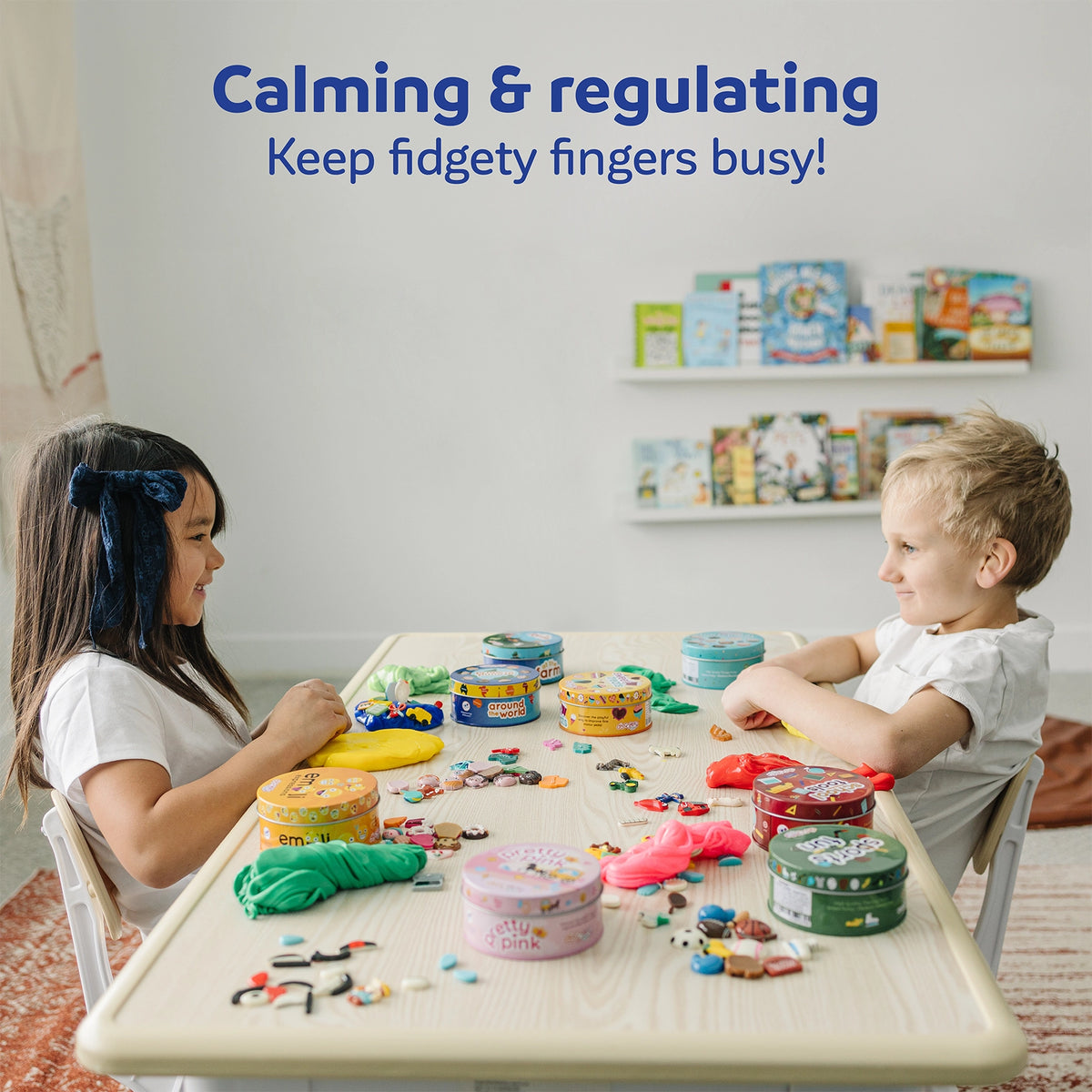
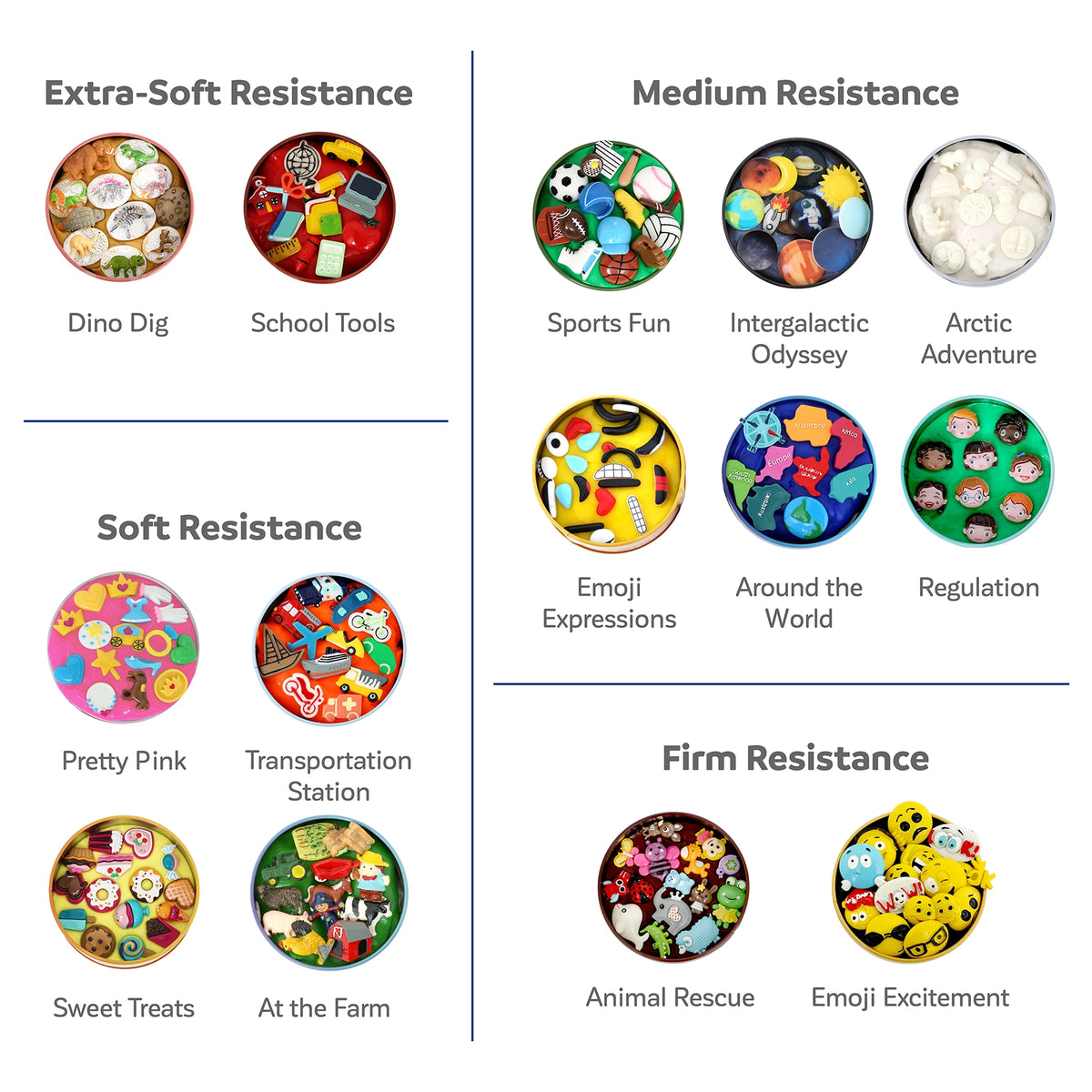
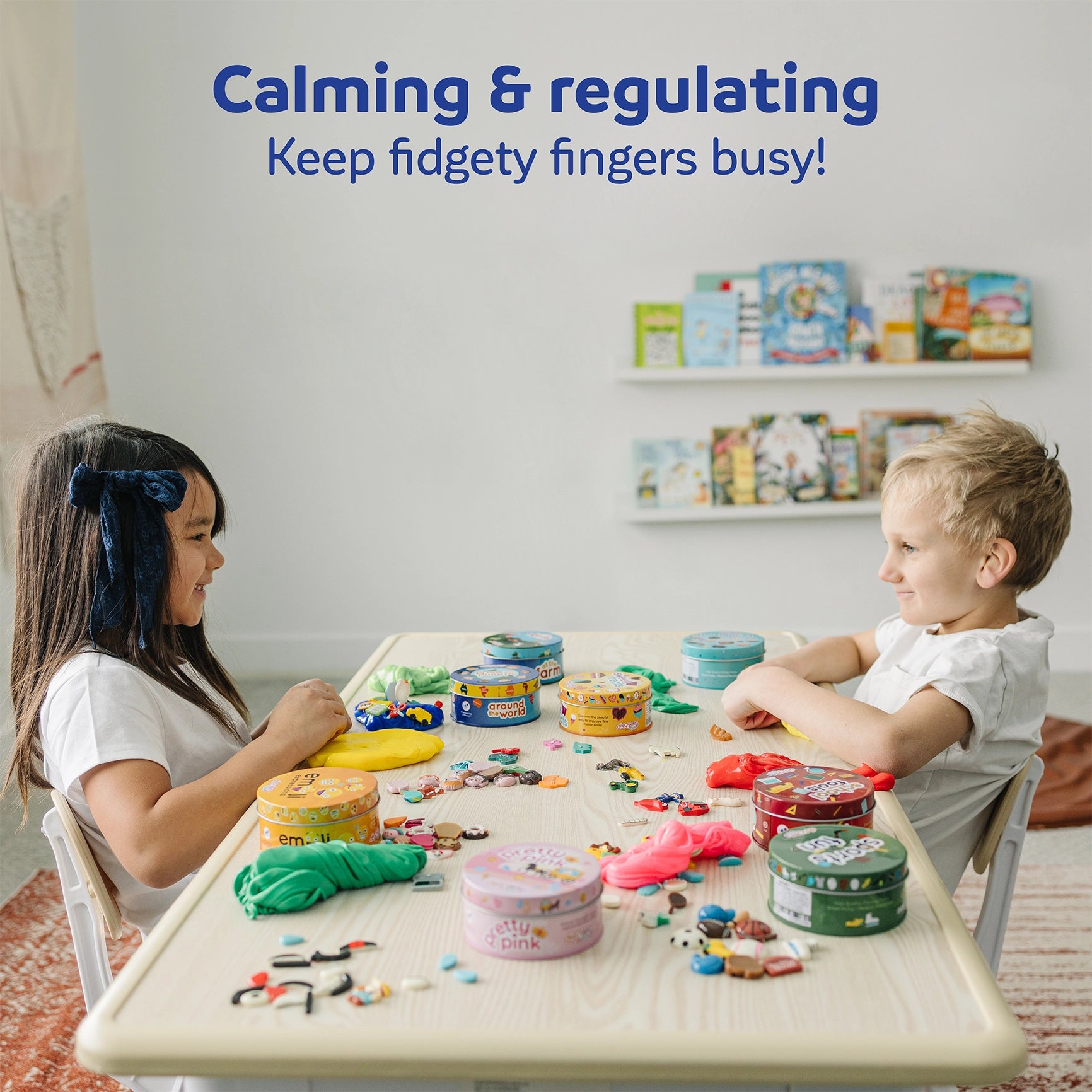
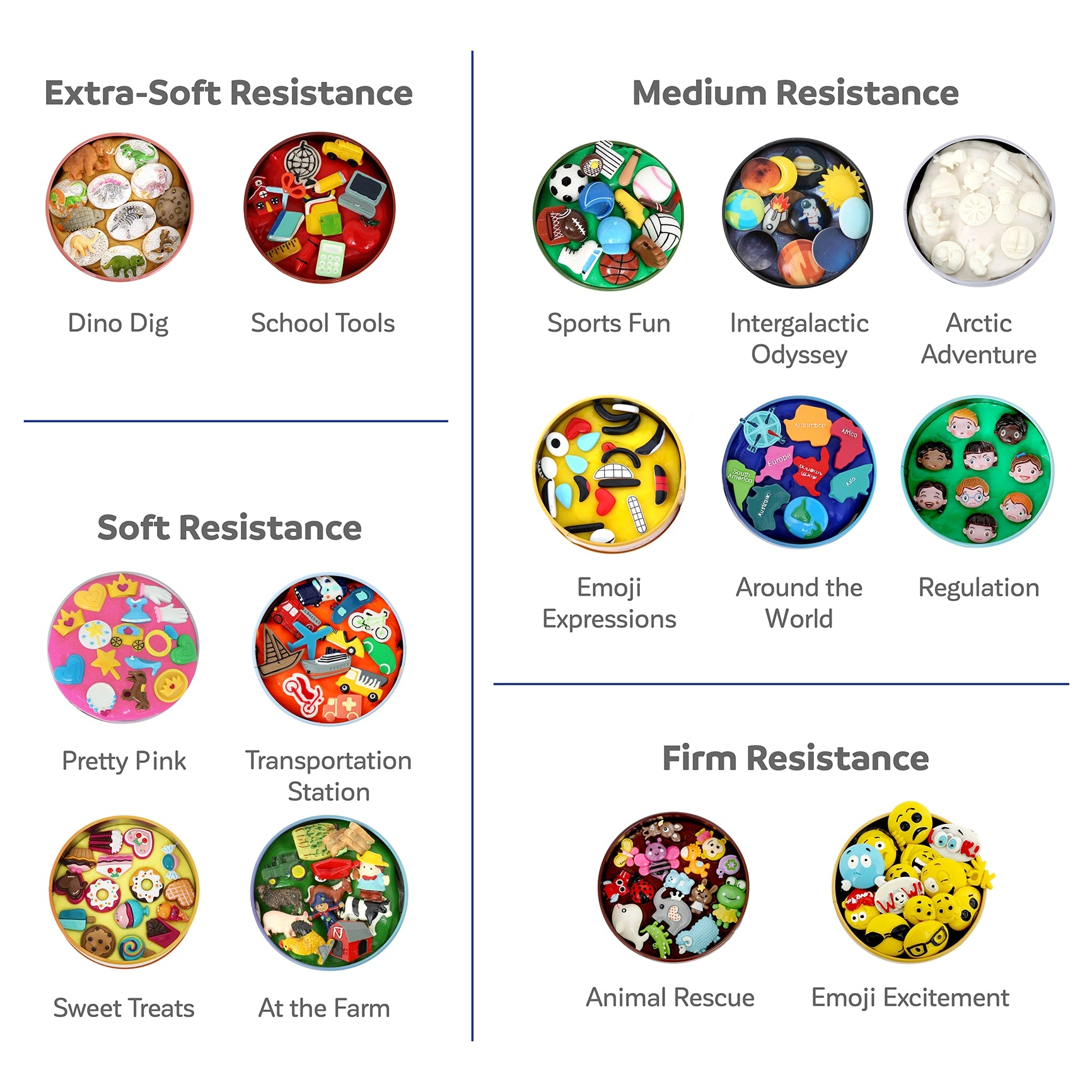
- Tools that offer multiple sensory benefits (e.g., tactile and proprioceptive input) like our Discovery Putty® and Stretchy Sensory Fidget Strings were particularly popular
- OTs appreciate flexible seating like the Mushy Smushy Bean Bag and the Wobble Chair, since they help kids meet their sensory needs without distracting them from learning or therapy
To sum up the common themes that emerged, the most loved sensory tools are those that effectively address kids’ common sensory needs and are easy to use in everyday life.





Top-Rated Sensory Tools (Based on OT Feedback)
Below are some of our products that stood out for the notable positive feedback they received from occupational therapists, along with the reasons they value the products.
Noise Reduction Headphones
- 70% of OTs who responded reported that this is a favorite tool of theirs
- The headphones reduce distracting noise without blocking out important sounds, making it easier for kids to stay engaged in their environment

Stretch Me Chair Fidget
- This tool was a favorite among 45% of OTs who rated it
- OTs rave about this lightweight, fun chair fidget kids can calm themselves with by quietly kicking and fidgeting as they sit in a classroom, waiting room or just about anywhere

Wobble Chair
- 38% of OTs who responded here said this is a highly effective tool that they use often
- OTs find the wobble chair to be super helpful for kids who need to move! It lets kids get the wiggles out while they’re sitting, so that they can self-regulate in class and during therapy sessions

Break-Away Bite Bands
- 35% of OTs who rated them said that they love these bands
- No more soaking wet, chewed up sleeves! These bright, absorbent bite bands are perfect for kids to chew for satisfying oral input and increased focus and regulation

Top-Rated Sensory Tools (Based on OT Feedback)
When we took a look at how different categories of sensory tools performed, several interesting points came up:
- Calming & regulation tools were often given high ratings since they support focus, reduce overwhelm and ease transitions
- Tactile tools were appreciated for their help with engagement and sensory exploration, especially when they’re used alongside purposeful activities
- Movement-based tools received honorable mention for improving attention, body awareness and active regulation
- Fidgets & hand tools are most effective when they’re durable, discreet and easy to integrate into classroom routines
We hope this category breakdown will help you strategically plan how to match sensory tools with your students’ needs.


What This Means for Educators and School Teams
If you’re an educator or administrator, here are some practical takeaways to keep in mind when supporting your students’ sensory needs.
- Start with tools that promote regulation and attention, especially during transitions and learning time
- Look for sensory supports that are simple to use and easy to maintain/clean
- Partner with OTs to find tools that match specific student needs, rather than general trends
- Use real feedback from staff members and parents to help create sensory spaces or kits for your students
Make sure to take a look at the visual summary of our survey results!




👉 What OTs Recommend: Top Sensory Tools at a Glance

When sensory products are chosen carefully and thoughtfully, they can make a meaningful difference in regulation, engagement and development. We hope the OT insights shared here will help you feel more confident in choosing appropriate sensory tools for your students.
Take time to explore our wide range of sensory tools for all ages and stages.
About the author:
Malkie Ward uses her clinical experience and creative insight to collaborate across teams in shaping smart sensory tools and creating powerful sensory rooms. With strong problem-solving skills and deep care for all children, Malkie develops high-quality products and serves as a trusted guide to teammates across product development.