Chewy Tubes
Chewy Tubes
 HomeVisioner
-
 Not 100% satisfied?
This item is non-returnable
Not 100% satisfied?
This item is non-returnable


Be Safe
Why We Love It
For infants, kids and adults who grind their teeth, chew on everything or need biting practice, Chewy Tubes to the rescue! Originally designed for jaw rehabilitation, Chewy Tubes help develop oral motor skills and provide great oral proprioceptive input. These resilient tubes are perfect for mouths of all sizes to nibble, chew or really take a bite. Non-returnable.
- Texture, size and resistance varies by color
- Supports challenges of ADHD, sensory processing disorder and autism
- Age 8 months - Adult (see below for age recommendations)
Details
- All Chewy Tubes measure approximately 3.5"L x 3"W
- Different colors vary in diameter
- Made from non-toxic, FDA-approved materials
- Free of PVC, phthalates and latex
- Wash before first use and inspect before each use for signs of wear or damage. Clean with mild, fragrance-free soap and water, or place on top rack of dishwasher. Dry thoroughly and store in a vented container to prevent contamination
Getting Started
- Yellow: Has the narrowest stem and is best for small mouths or kids with sensory defensiveness to oral stimuli. Great for infants.
- Red: Wider 1/2” stem provides increased resistance. Age 2+.
- Green: Knobby textured surface for tactile exploration and sensory input. Age 3+.
- Blue: The largest and firmest tube that offers the greatest resistance for those with stronger mouthing muscles. For adolescents and adults.
Similar chew tools include P's and Q's and Super Chews.
Safety Information
Add your Q&A app block as the second app block (it will show here).
Blog Posts
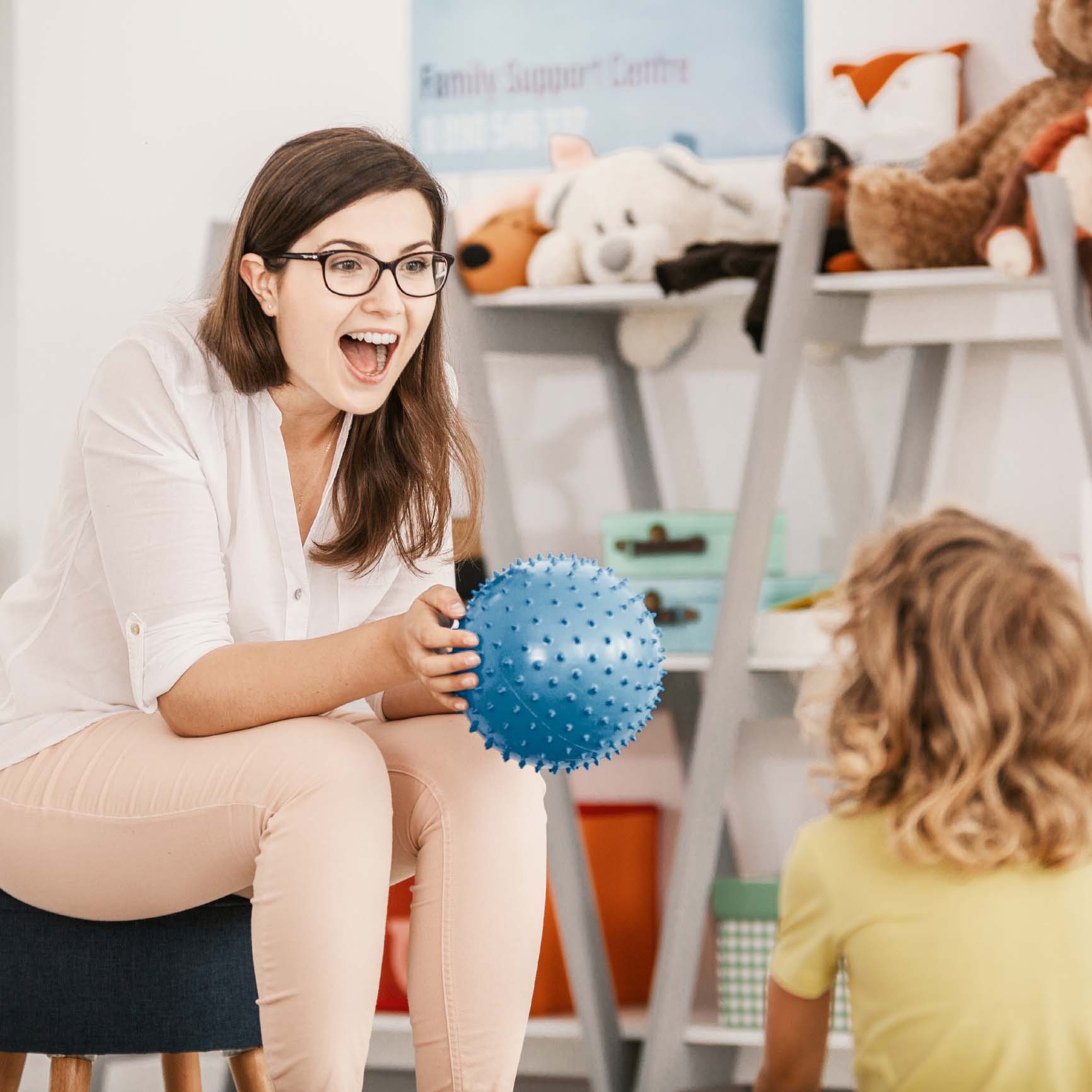
Why Try Occupational Therapy for Sensory Processing Disorder
Many children struggle with everyday activities like getting dressed, eating or going to school. Sensory processing disorders (SPD) can turn these seemingly simple tasks into overwhelming obstacles. It may feel daunting to navigate your child’s sensory needs.
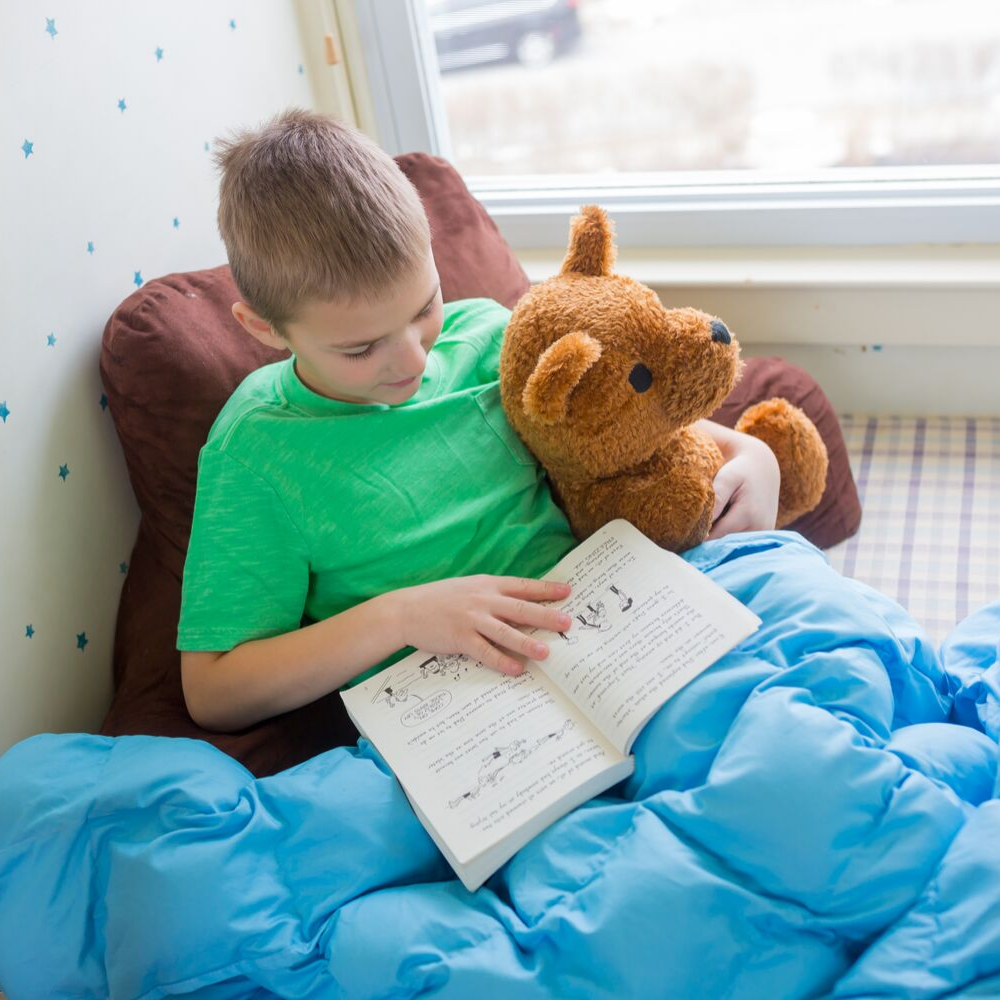
What's Therapeutic about a Weighted Blanket?
The first time I heard about weighted blankets, I had an instant "Ah-Ha! " moment. As a child, I used to love to climb under the blankets on my parents' bed.

3 Tips for Sensory Friendly Haircuts
Does your child resist haircuts at the barber? They might not like the vestibular input of sitting on a chair that gets propelled upwards, feeling the apron around their neck, or the auditory stimulation of surrounding conversations and the buzz of razors. Many parents avoid these haircuts for as long as possible.
Why Try Occupational Therapy for Sensory Processing Disorder
Many children struggle with everyday activities like getting dressed, eating or going to school. Sensory processing disorders (SPD) can turn these seemingly simple tasks into overwhelming obstacles. It may feel daunting to navigate your child’s sensory needs.
What's Therapeutic about a Weighted Blanket?
The first time I heard about weighted blankets, I had an instant "Ah-Ha! " moment. As a child, I used to love to climb under the blankets on my parents' bed.
3 Tips for Sensory Friendly Haircuts
Does your child resist haircuts at the barber? They might not like the vestibular input of sitting on a chair that gets propelled upwards, feeling the apron around their neck, or the auditory stimulation of surrounding conversations and the buzz of razors. Many parents avoid these haircuts for as long as possible.
What Makes
Us Different

Expert Team

Quality Products

Commitment to Safety

Your Voice