Let's Talk About It Kit
Let's Talk About It Kit
 HomeVisioner
-
 Not 100% satisfied?
Returns and Exchange policy
Not 100% satisfied?
Returns and Exchange policy


Why We Love It
Pack this kit when you’re on the run or any time you want to have fun. Let’s Talk About It Kit features an entertaining storybook called “Let’s Talk About It” that you can read to promote conversations about feelings. Pop the Starfish Bubble Pop Fidget for tactile exploration and chew the Emoji Chewy Necklace for oral motor input. Flip through the Emoji Emotion Cards as you engage in emotional discussions and exploration. Ideal for school, home, or long waits at the doctor’s office.
Emoji Chewies are non-returnable.
- Promotes sensory exploration, focus, and attention
- Supports people with anxiety, behavior disorders, or autism
- Made by Fun and Function
- Age 4+
Ideas for Use
- Take turns choosing Emoji Emotion cards and mimic each expression you see on the card
- Discuss a time you felt an emotion displayed on each card
- Chew on Emoji Chewy or pop the Starfish Bubble Pop Fidget to facilitate conversation and calm
- Read the Social Story to your child at bedtime
Details
Includes:
- “Let’s Talk About It” Social Story
- Starfish Bubble Pop Fidget
- Emoji Emotion Cards
- Two Emoji Chewy Necklaces
Helps With
Shipping and Returns
Warranty Information
This product comes with a 1-year warranty
Safety Information

Make sure child does not chew on necklace cord or clasp. Inspect necklace before each use. Discard immediately if any part of necklace is damaged. This necklace has a safety clasp to prevent strangulation and to breakaway when pulled on. Never use if safety clasp is broken. Remove necklaces before active play, naptime, and bedtime.
Add your Q&A app block as the second app block (it will show here).
Blog Posts
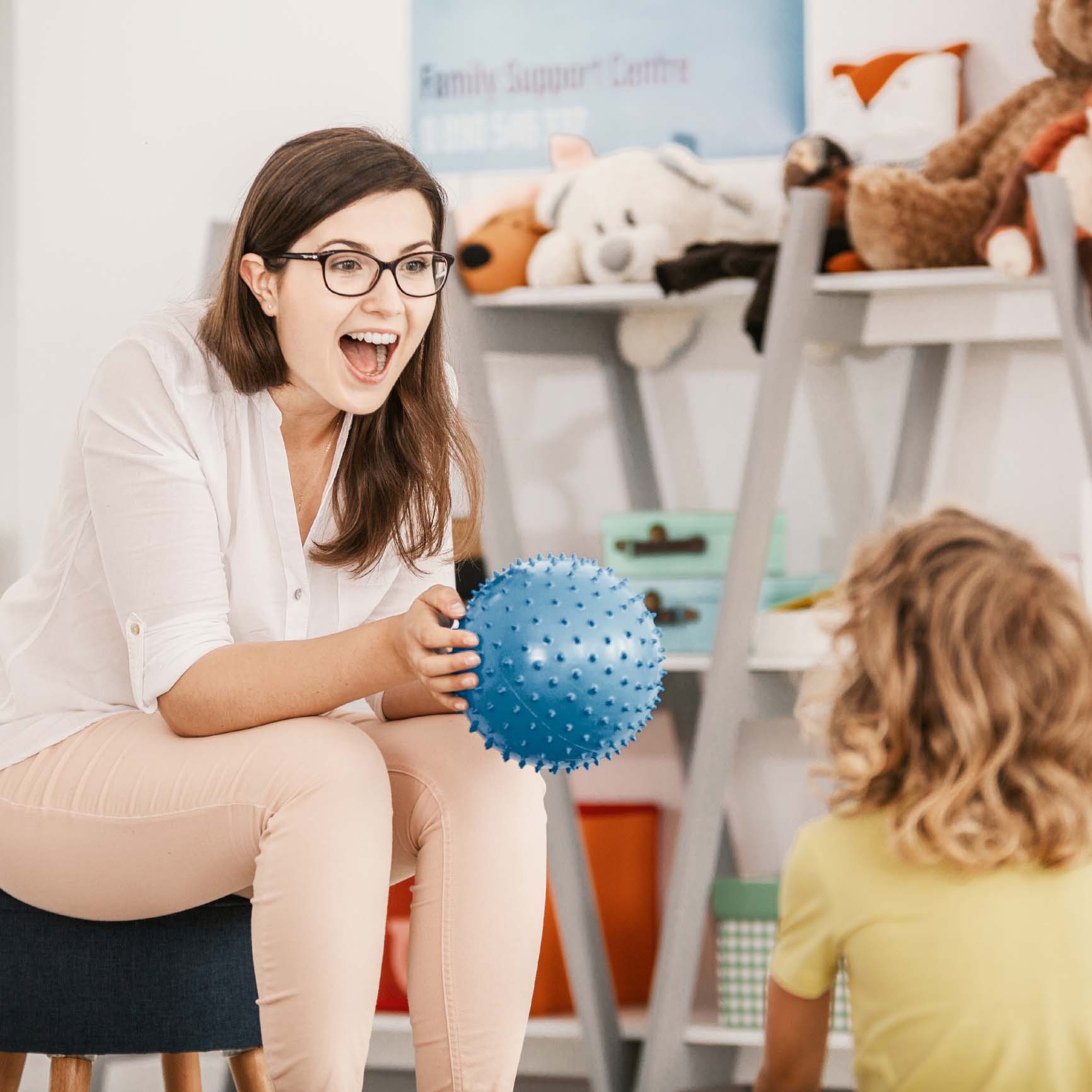
Why Try Occupational Therapy for Sensory Processing Disorder
Many children struggle with everyday activities like getting dressed, eating or going to school. Sensory processing disorders (SPD) can turn these seemingly simple tasks into overwhelming obstacles. It may feel daunting to navigate your child’s sensory needs.
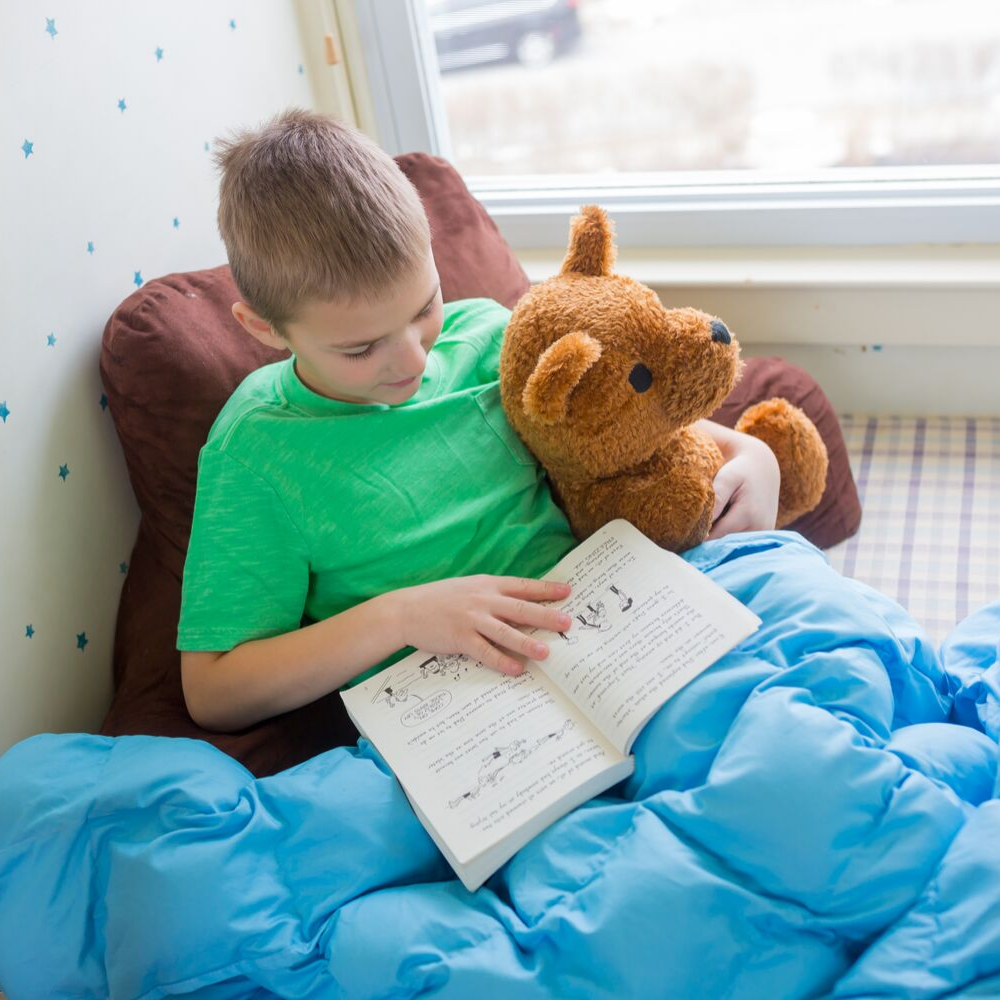
What's Therapeutic about a Weighted Blanket?
The first time I heard about weighted blankets, I had an instant "Ah-Ha! " moment. As a child, I used to love to climb under the blankets on my parents' bed.

3 Tips for Sensory Friendly Haircuts
Does your child resist haircuts at the barber? They might not like the vestibular input of sitting on a chair that gets propelled upwards, feeling the apron around their neck, or the auditory stimulation of surrounding conversations and the buzz of razors. Many parents avoid these haircuts for as long as possible.
Why Try Occupational Therapy for Sensory Processing Disorder
Many children struggle with everyday activities like getting dressed, eating or going to school. Sensory processing disorders (SPD) can turn these seemingly simple tasks into overwhelming obstacles. It may feel daunting to navigate your child’s sensory needs.
What's Therapeutic about a Weighted Blanket?
The first time I heard about weighted blankets, I had an instant "Ah-Ha! " moment. As a child, I used to love to climb under the blankets on my parents' bed.
3 Tips for Sensory Friendly Haircuts
Does your child resist haircuts at the barber? They might not like the vestibular input of sitting on a chair that gets propelled upwards, feeling the apron around their neck, or the auditory stimulation of surrounding conversations and the buzz of razors. Many parents avoid these haircuts for as long as possible.
What Makes
Us Different

Expert Team

Quality Products

Commitment to Safety

Your Voice