Smooth Chewy Necklace
Smooth Chewy Necklace
Bulk Pricing (auto-applied) see full details
Buy more, save more – no coupon code needed
Buy 10 for $12.60 each - save 10%
Buy 50 for $11.90 each - save 15%
Buy 100 for $11.20 each - save 20%
 HomeVisioner
-
 Not 100% satisfied?
This item is non-returnable
Not 100% satisfied?
This item is non-returnable


Be Safe
Why We Love It
You wouldn’t even know this cool-looking necklace is a chewy! Kids can wear it to school, at home or on the road for something to chew on whenever the urge strikes. Completely smooth surface appeals to those with tactile sensitivity. Non-returnable.
- Helps improve calm and focus with every bite
- Supports challenges of ADHD, sensory processing disorder and autism
- For light chewers
- Made by Fun and Function
- Age 4+
Ideas for Use
- For those who have trouble filtering sights, sounds, touch, smells and even tastes, chewing can help filter and organize and onslaught of sensory information.
- Use as a tool to strengthen oral motor and facial muscles.
- Provide a means of oral motor exploration to help minimize food aversions by gently introducing different textures.
Details
- 1.875L x 1”W
- Weighs 1 oz.
- Made of silicone with nylon cord
- Free of BPA, phthalates and latex
- Surface wash. Air dry.
- Dishwasher safe - top rack only
- Color: Red
- Breakaway clasp for additional safety
Safety Information

Add your Q&A app block as the second app block (it will show here).
Blog Posts
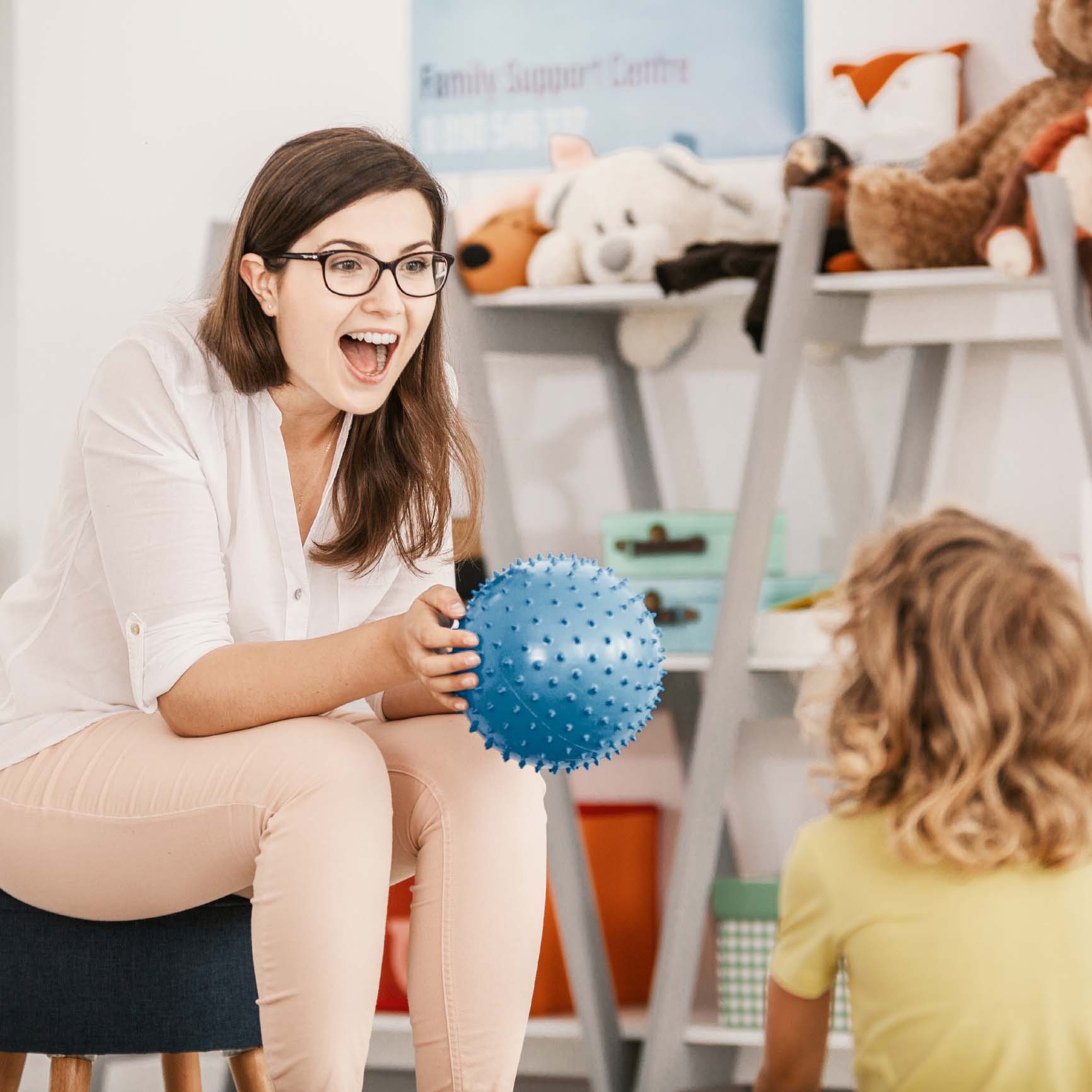
Why Try Occupational Therapy for Sensory Processing Disorder
Many children struggle with everyday activities like getting dressed, eating or going to school. Sensory processing disorders (SPD) can turn these seemingly simple tasks into overwhelming obstacles. It may feel daunting to navigate your child’s sensory needs.
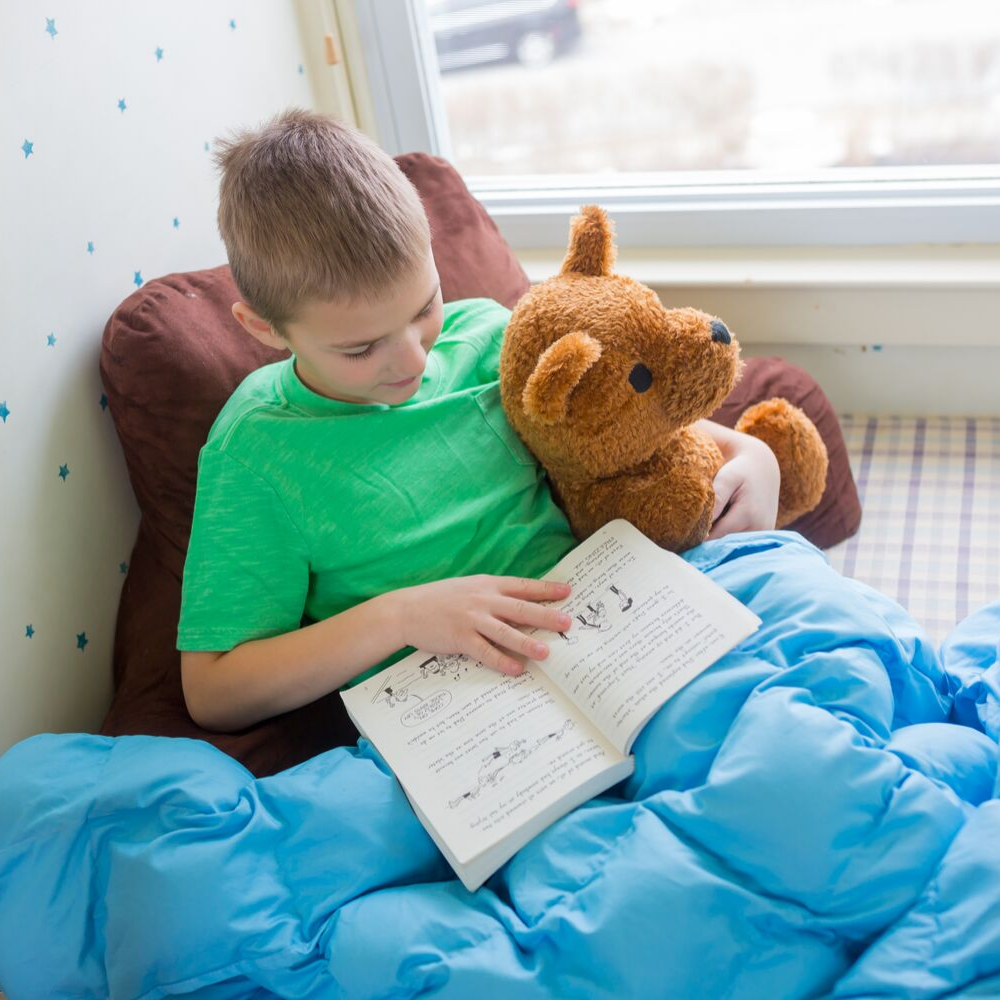
What's Therapeutic about a Weighted Blanket?
The first time I heard about weighted blankets, I had an instant "Ah-Ha! " moment. As a child, I used to love to climb under the blankets on my parents' bed.

3 Tips for Sensory Friendly Haircuts
Does your child resist haircuts at the barber? They might not like the vestibular input of sitting on a chair that gets propelled upwards, feeling the apron around their neck, or the auditory stimulation of surrounding conversations and the buzz of razors. Many parents avoid these haircuts for as long as possible.
Why Try Occupational Therapy for Sensory Processing Disorder
Many children struggle with everyday activities like getting dressed, eating or going to school. Sensory processing disorders (SPD) can turn these seemingly simple tasks into overwhelming obstacles. It may feel daunting to navigate your child’s sensory needs.
What's Therapeutic about a Weighted Blanket?
The first time I heard about weighted blankets, I had an instant "Ah-Ha! " moment. As a child, I used to love to climb under the blankets on my parents' bed.
3 Tips for Sensory Friendly Haircuts
Does your child resist haircuts at the barber? They might not like the vestibular input of sitting on a chair that gets propelled upwards, feeling the apron around their neck, or the auditory stimulation of surrounding conversations and the buzz of razors. Many parents avoid these haircuts for as long as possible.
What Makes
Us Different

Expert Team

Quality Products

Commitment to Safety

Your Voice