Soft Tummy Scooter™
Soft Tummy Scooter™
 HomeVisioner
-
 Not 100% satisfied?
Returns and Exchange policy
Not 100% satisfied?
Returns and Exchange policy


Be Safe
Why We Love It
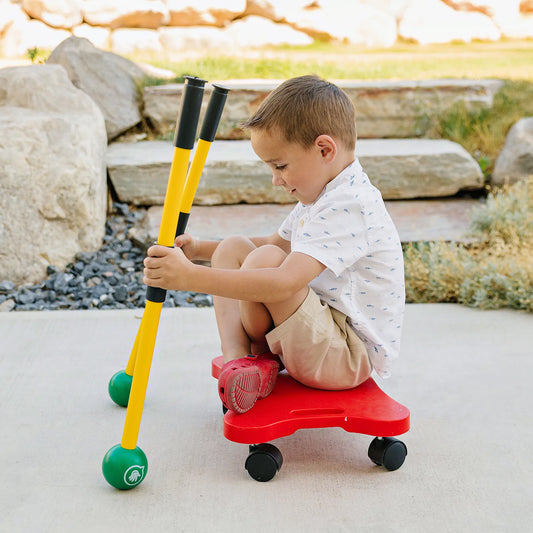
Scoot along! With the supportive saddle and low-to-the-ground design, this scooter offers more comfort and security than a typical ride-on toy. Small children and those with gravitational insecurity can scoot with confidence. Incredibly comfortable soft-cell foam construction encourages play and exercise for longer time spans. Non-marring wheels swivel 360 degrees. Terrific for sensory integration, vestibular input and motor planning.
- Strengthens upper and lower body, improving balance, posture, core strength and coordination
- Ideal for children with sensory processing disorder, low tone and autism
- Made by Fun and Function
- Age 3+
Ideas for Use
- Create an obstacle course and navigate through it as fast as you can
- Scatter large puzzle pieces and scoot around to collect them all
- Combine with Scooter Paddles (sold separately) and pretend to row down a river. What do you see?
Details
- 17.5"L x 14"W x 4.5"H. Tapered width from 14" to 6.5"
- Weighs 4.25 lbs.
- Holds up to 150 lbs.
- Made of polyurethane, nylon wheels and steel wheel casters
- Surface wash. Air dry.
- Color: Blue
Safety Information


Add your Q&A app block as the second app block (it will show here).
Blog Posts
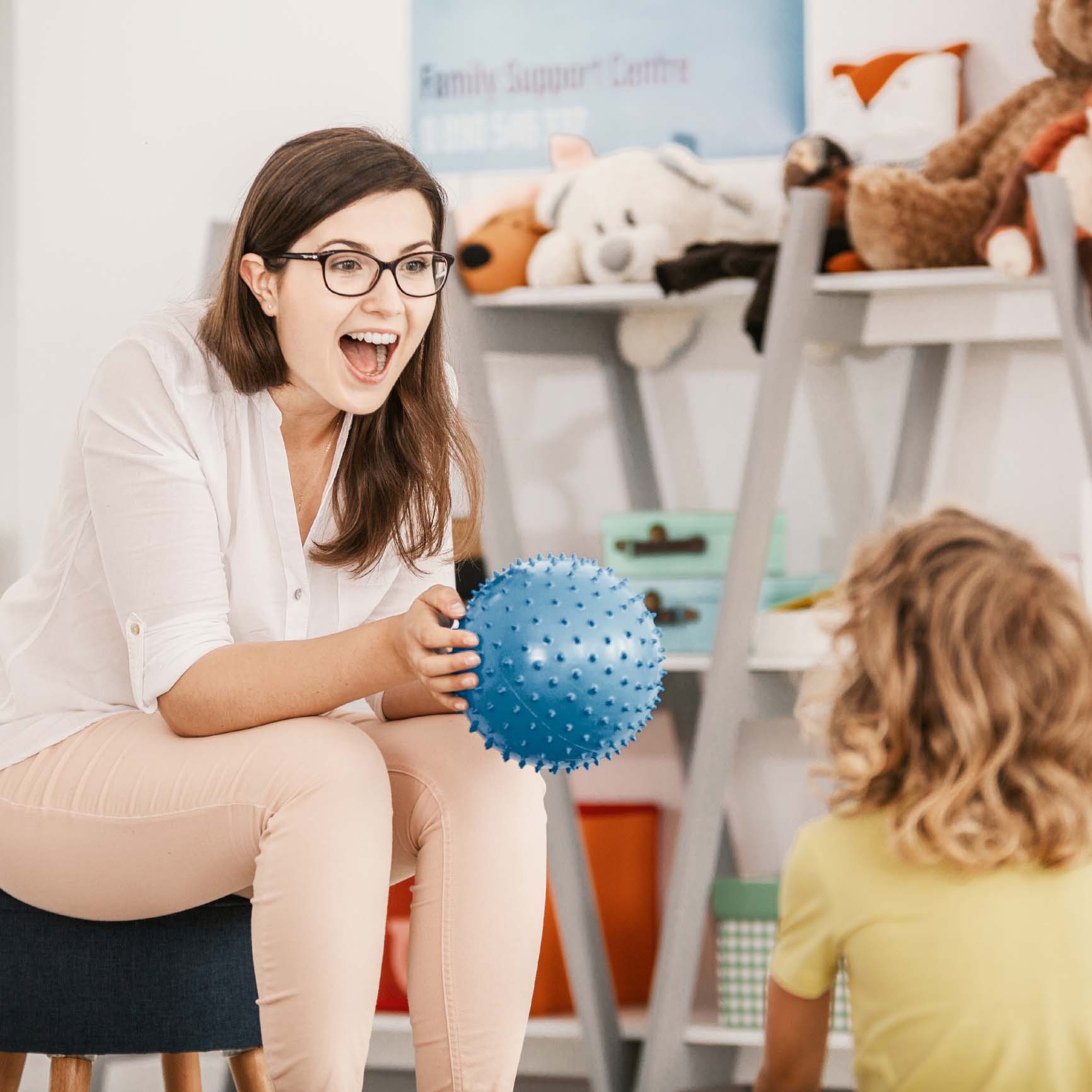
Why Try Occupational Therapy for Sensory Processing Disorder
Many children struggle with everyday activities like getting dressed, eating or going to school. Sensory processing disorders (SPD) can turn these seemingly simple tasks into overwhelming obstacles. It may feel daunting to navigate your child’s sensory needs.
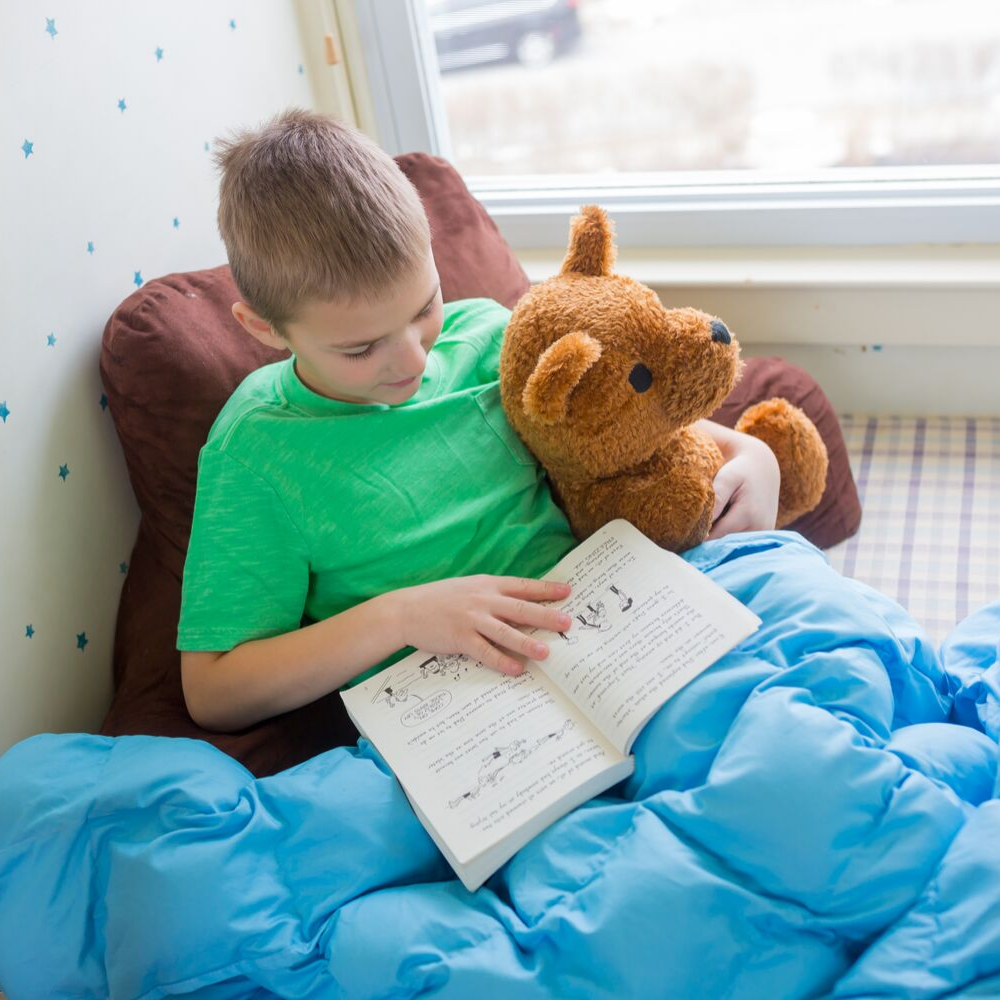
What's Therapeutic about a Weighted Blanket?
The first time I heard about weighted blankets, I had an instant "Ah-Ha! " moment. As a child, I used to love to climb under the blankets on my parents' bed.

3 Tips for Sensory Friendly Haircuts
Does your child resist haircuts at the barber? They might not like the vestibular input of sitting on a chair that gets propelled upwards, feeling the apron around their neck, or the auditory stimulation of surrounding conversations and the buzz of razors. Many parents avoid these haircuts for as long as possible.
Why Try Occupational Therapy for Sensory Processing Disorder
Many children struggle with everyday activities like getting dressed, eating or going to school. Sensory processing disorders (SPD) can turn these seemingly simple tasks into overwhelming obstacles. It may feel daunting to navigate your child’s sensory needs.
What's Therapeutic about a Weighted Blanket?
The first time I heard about weighted blankets, I had an instant "Ah-Ha! " moment. As a child, I used to love to climb under the blankets on my parents' bed.
3 Tips for Sensory Friendly Haircuts
Does your child resist haircuts at the barber? They might not like the vestibular input of sitting on a chair that gets propelled upwards, feeling the apron around their neck, or the auditory stimulation of surrounding conversations and the buzz of razors. Many parents avoid these haircuts for as long as possible.

What Makes
Us Different

Expert Team

Quality Products

Commitment to Safety

Your Voice