


A Guide To Cerebral Palsy: Support & Care Tips
11 min read
Cerebral Palsy (CP) is a common developmental disability that affects movement and posture. It happens when a child’s brain develops differently or is injured very early in life, usually before birth, during delivery or in the first months after birth. CP is not a disease––it’s a neurological condition where the brain has trouble sending the correct signals to the muscles, impacting movement and coordination. Each child’s experience is different, but with the right tools and support, kids with CP can learn, play and thrive in their own way.
What is Cerebral Palsy?
CP is a group of conditions stemming from early brain development that affect muscle control, movement and coordination.
Types of Cerebral Palsy
There are different types of CP, depending on how the condition manifests itself.
- Spastic cerebral palsy – this is the most common type, where children have increased muscle tone that makes their muscles stiff and/or tight. Because it affects how smoothly they can move, it can cause challenges with walking, grasping or balancing. Kids with spastic CP may move more slowly or appear rigid, but many make strong progress with physical therapy and positioning supports
- Dyskinetic cerebral palsy – kids with this type of CP involves uncontrollable, involuntary movements that appear slow and writhing or quick and jerky. These movements often increase when a child attempts to move intentionally. Targeted therapies can help kids develop effective movement and communication strategies
- Ataxic cerebral palsy – this form of CP mainly impacts coordination and balance. Kids might appear shaky, unsteady, or struggle to judge distance and depth. Fine motor tasks, like cutting, writing and fastening clothes, may be harder; walking can appear wide-based or wobbly as kids try to stay balanced
- Mixed cerebral palsy – children with mixed CP display more than one of the subtypes. This is unique to each child and treatment plans need to be individualized to best address their challenges

How Common Is Cerebral Palsy?
Cerebral palsy affects about 1 in 345 children in the United States, making it one of the most common motor disabilities in childhood. While the effects are lifelong, they do not necessarily worsen over time. Some kids with CP can walk independently; others may need mobility aids. Some children may face speech or fine motor challenges, and others might only experience mild motor differences.

SensaSoft™ Vibroacoustic Corner Ball Pit
What Causes Cerebral Palsy?
Cerebral Palsy is considered to be a neurological disorder with several potential causes, often connected to timing. If a mother has complications before or during pregnancy, then it may lead to a lack of oxygen to the developing brain. Oxygen deprivation and other complications during a baby’s delivery can also lead to CP. Once born, a baby who experiences a head injury, illness or severe jaundice might also develop CP.
Most cases of CP are not hereditary, as outlined by the common causes of the disorder above. However, there are rare genetic links that exist.
Can cerebral palsy be detected before birth?
CP is rarely diagnosed in utero because the condition is based on how the brain controls movement, which won’t be visible until a baby is born. However, sometimes doctors are able to spot risk factors for CP during a mother’s pregnancy, such as signs of abnormal brain development on prenatal imaging, infections during pregnancy, restricted growth or blood flow to the baby, and complications with the umbilical cord or placenta.
It’s important to note that a true cerebral palsy diagnosis typically requires developmental observation and, later on, imaging.

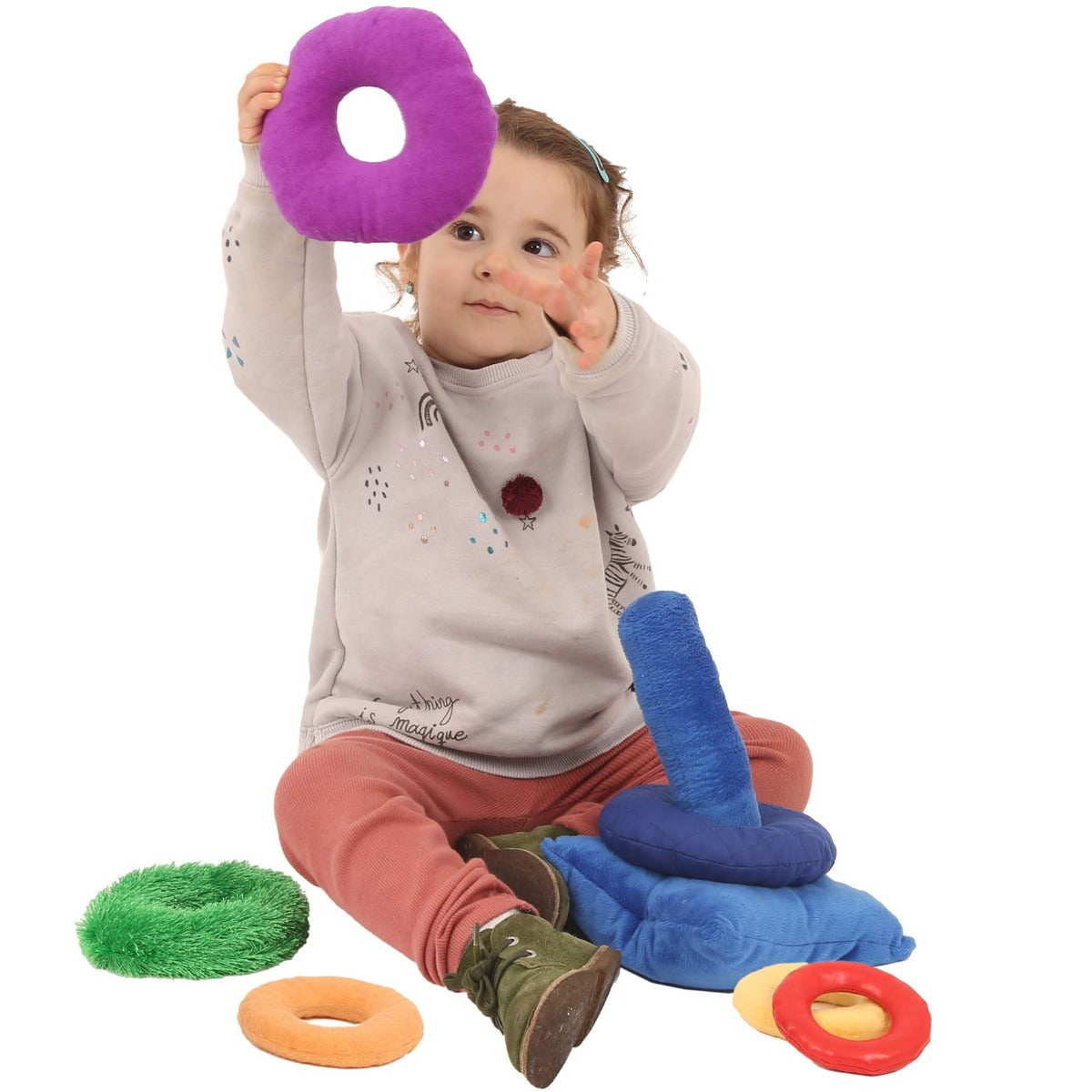
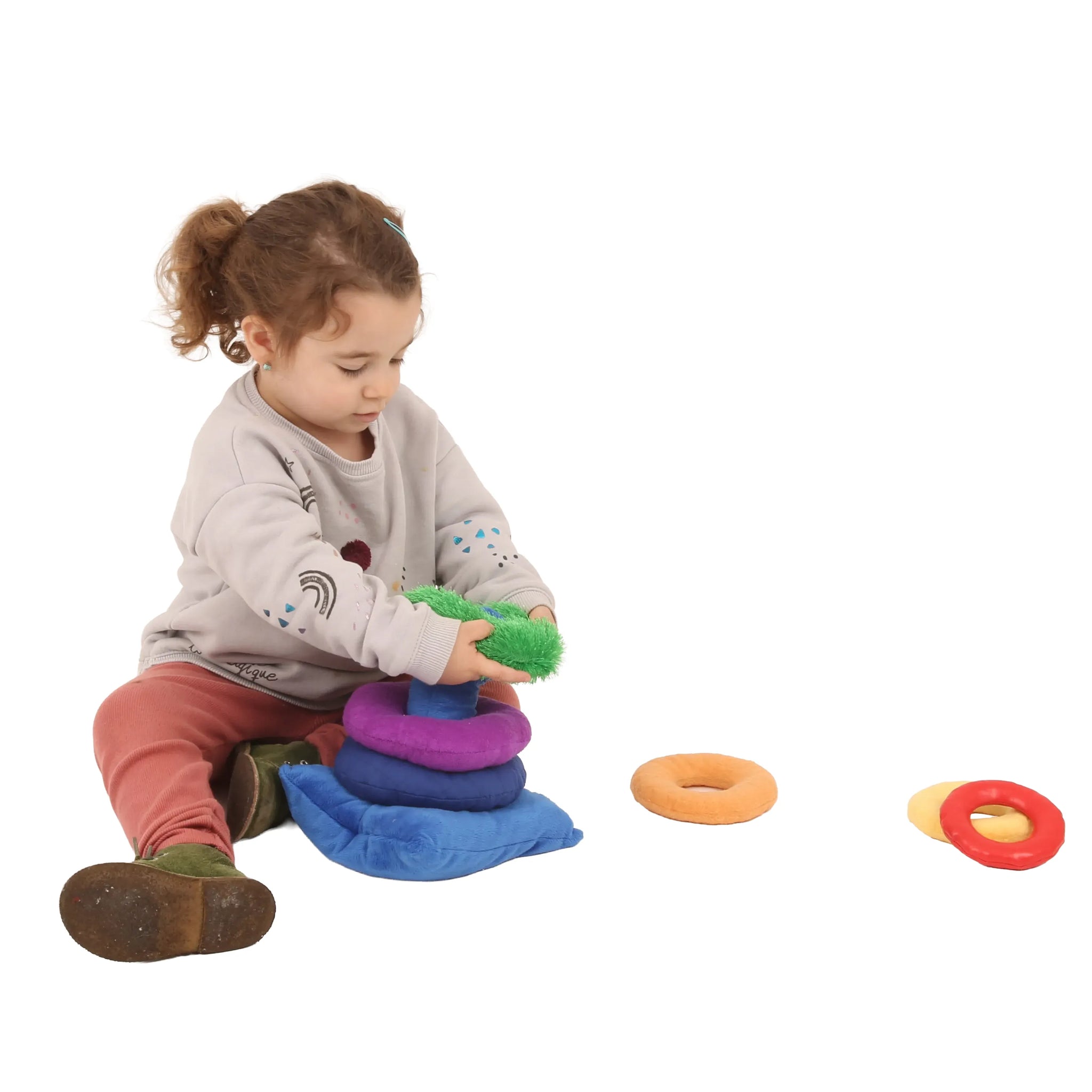
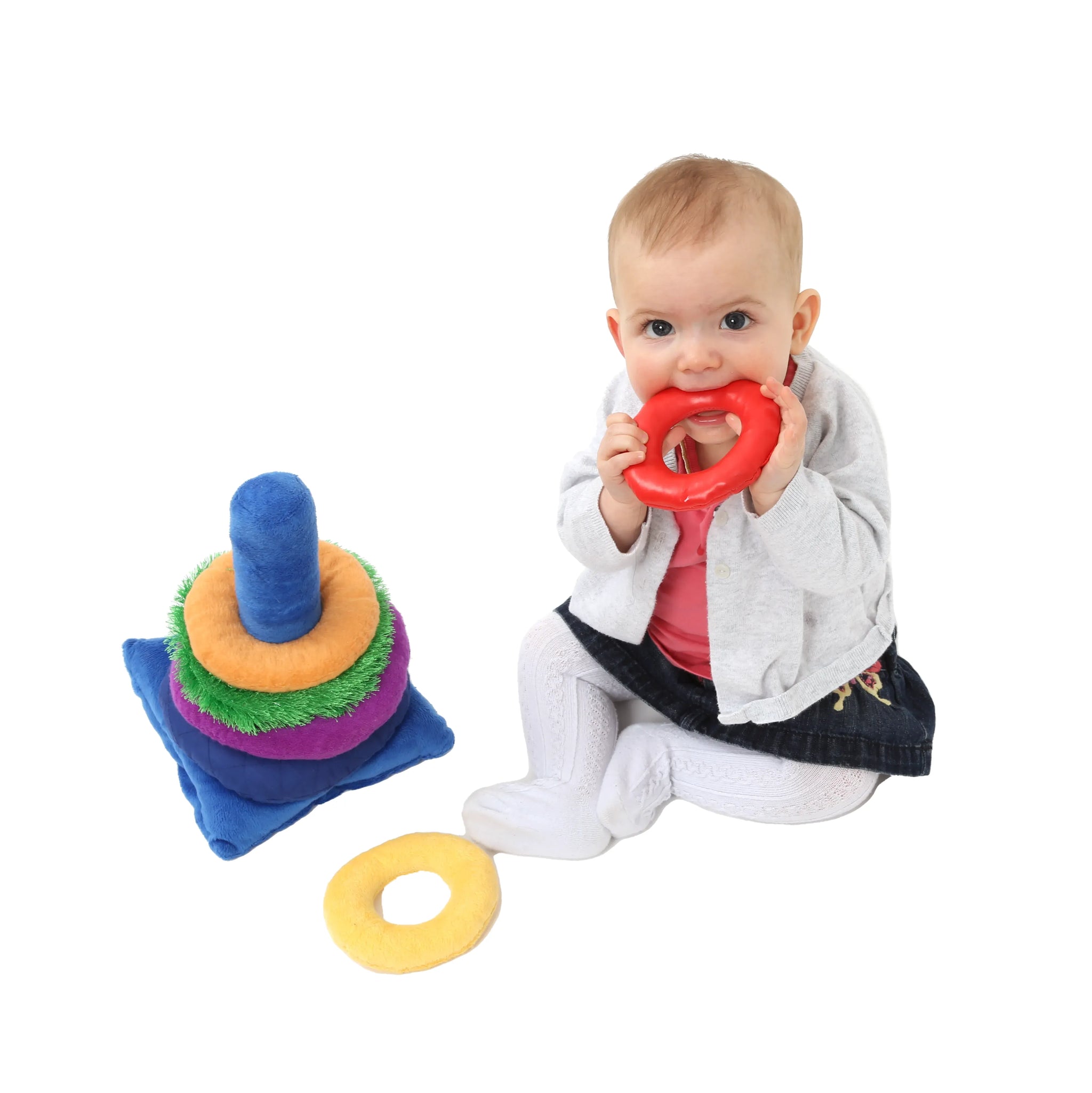
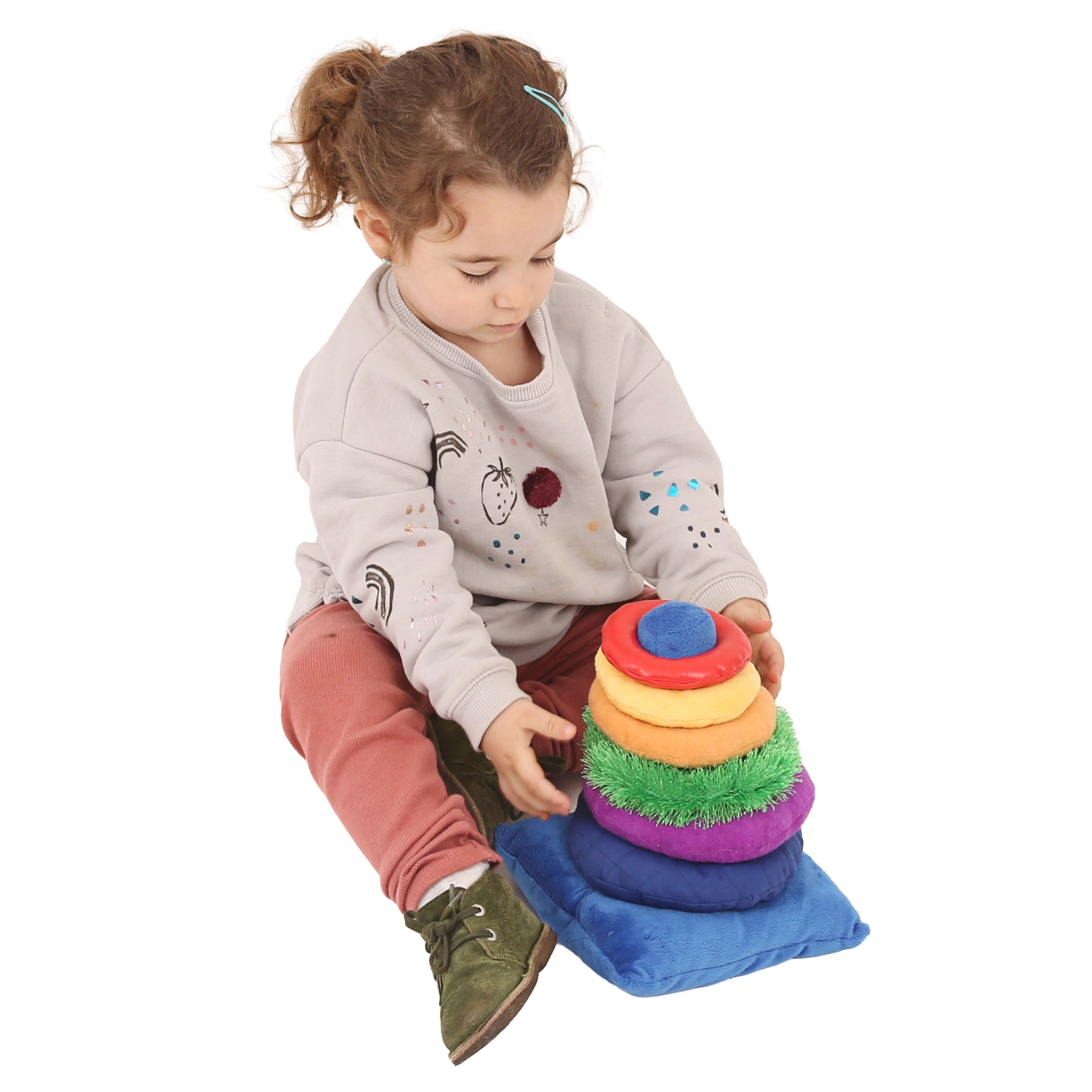
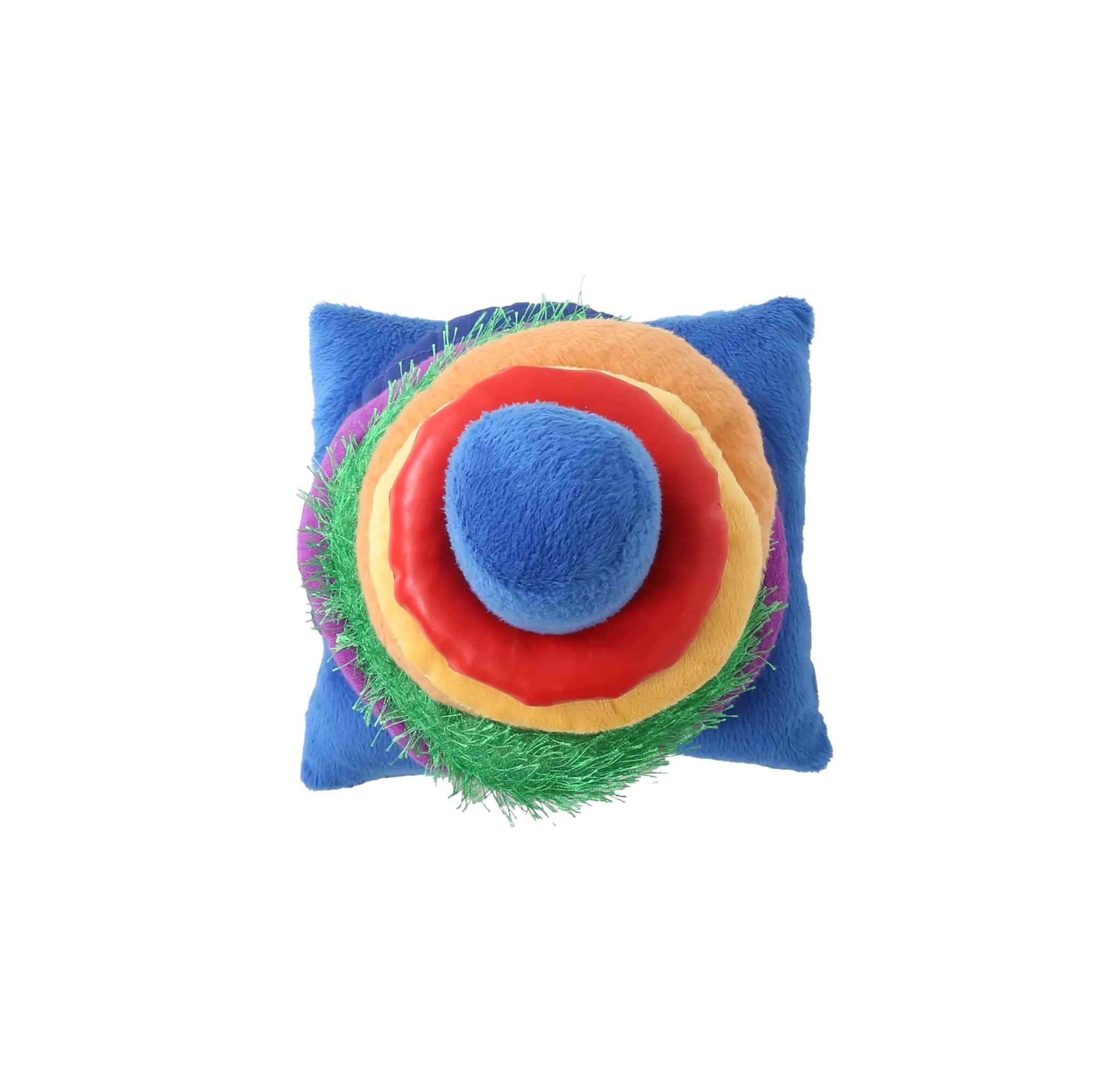

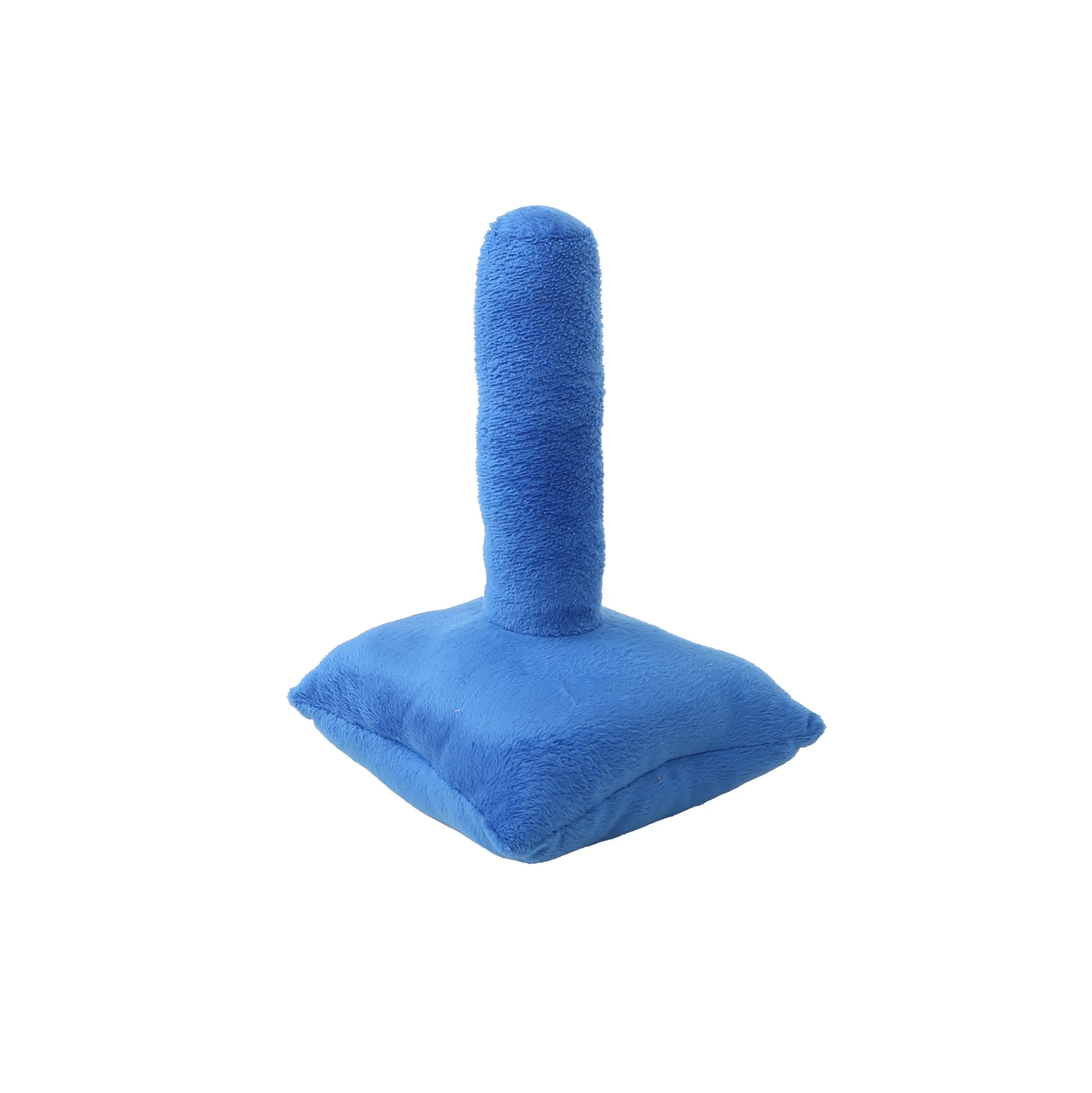
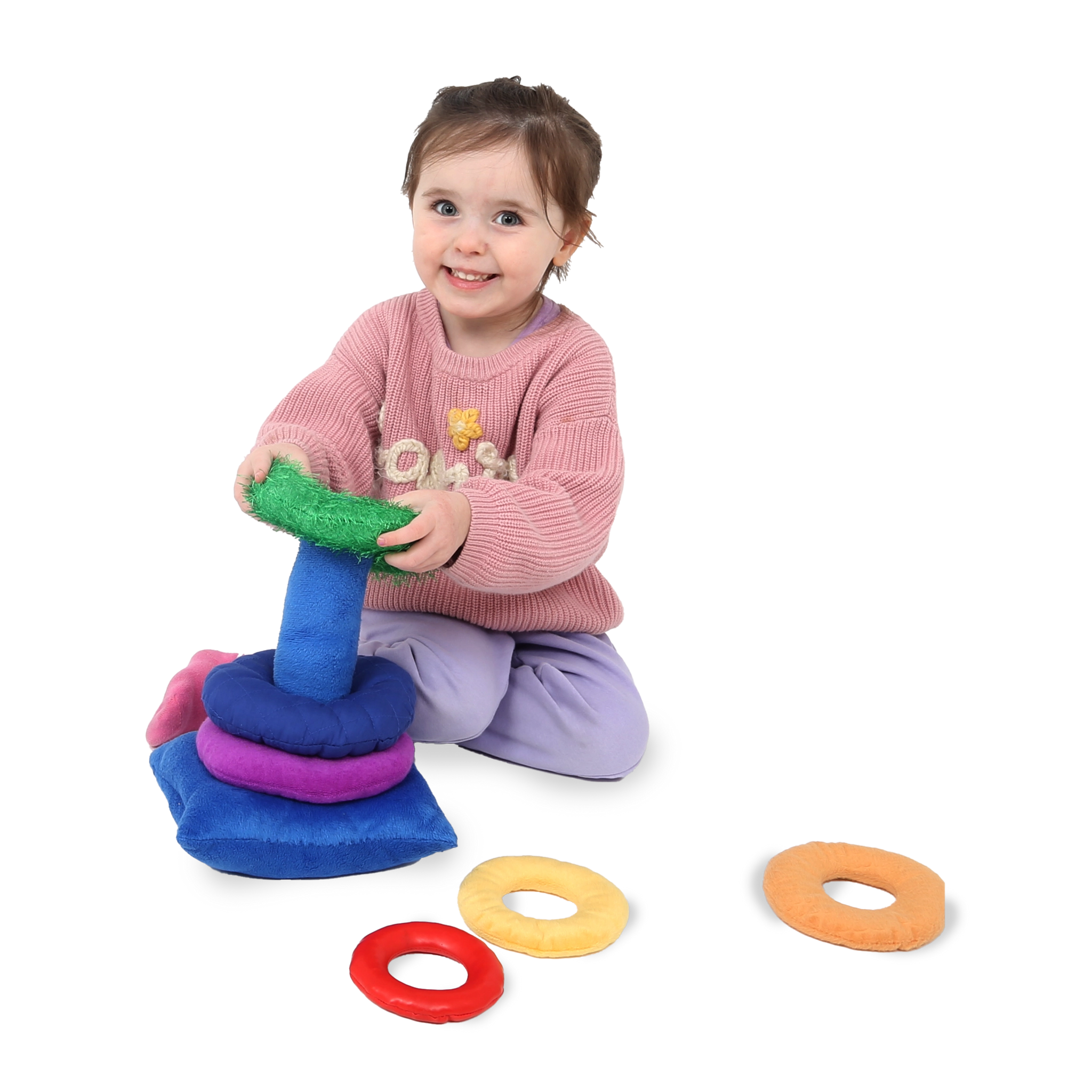

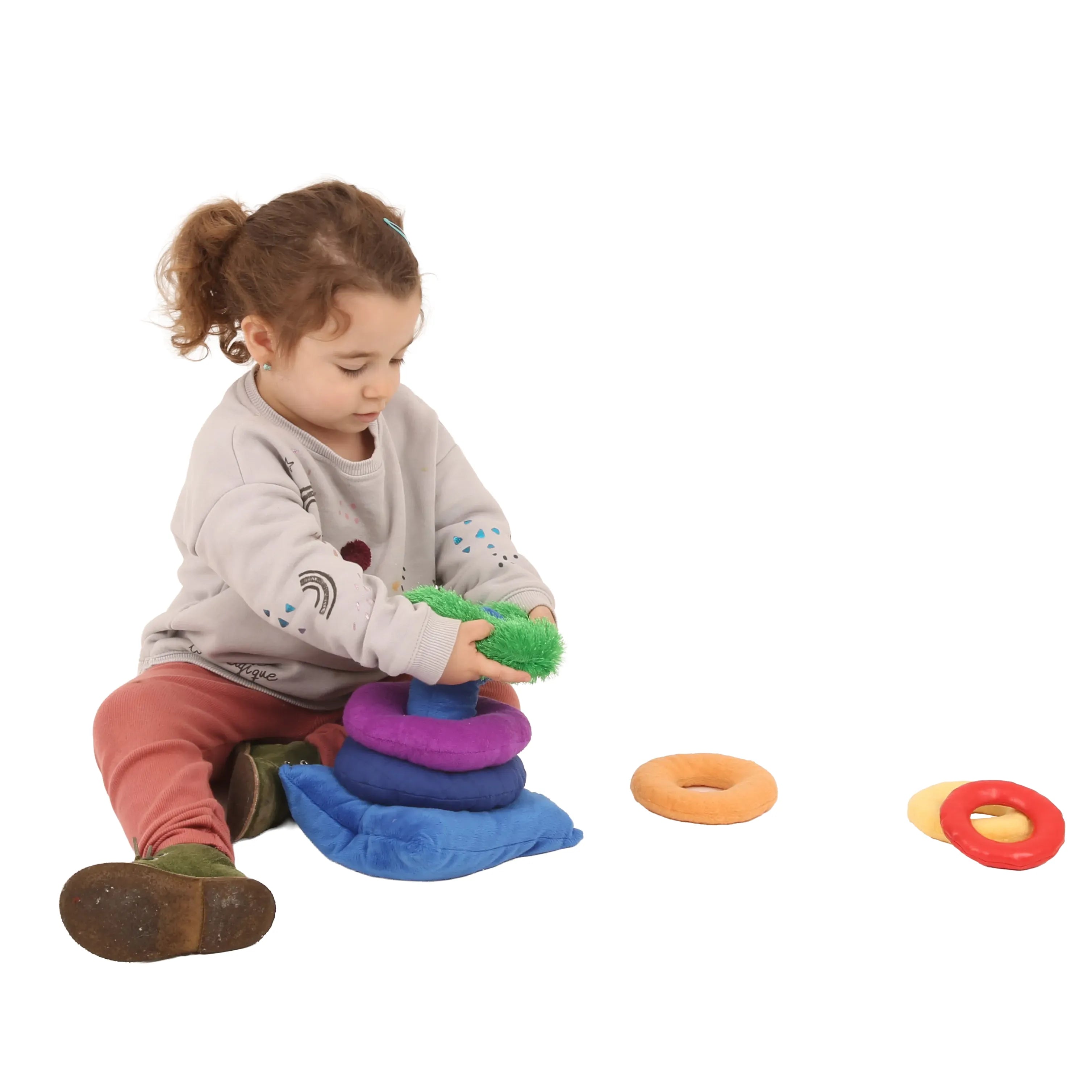
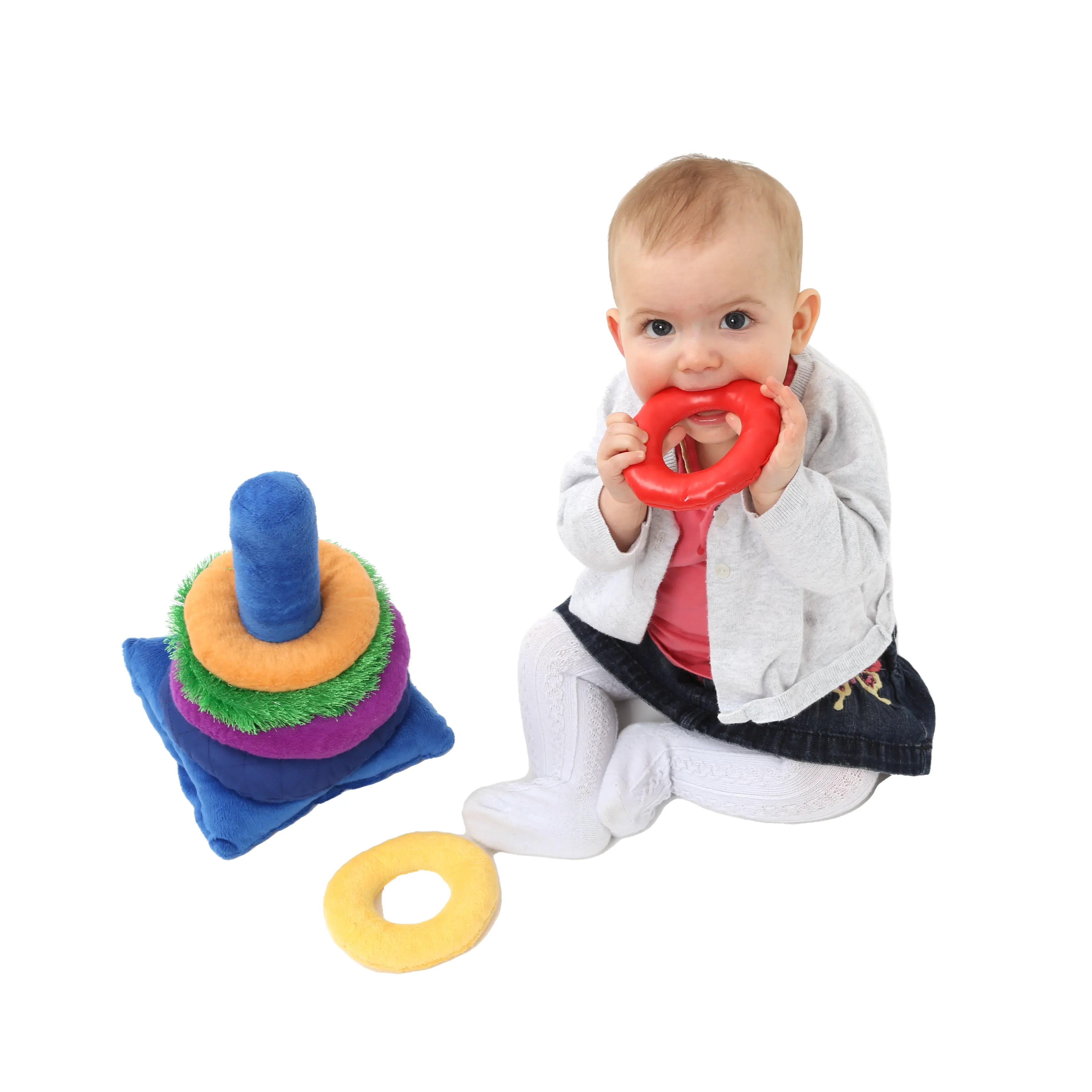
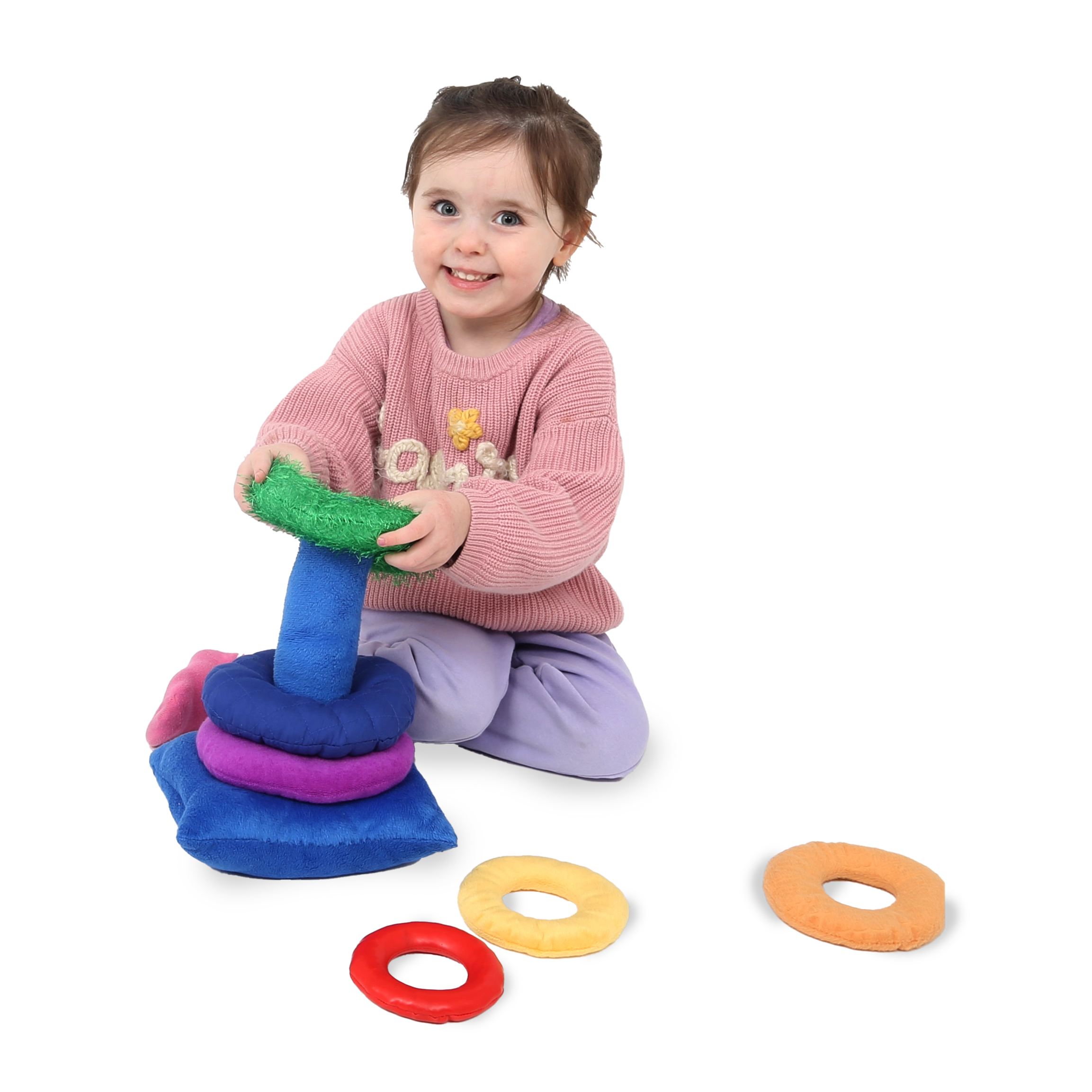
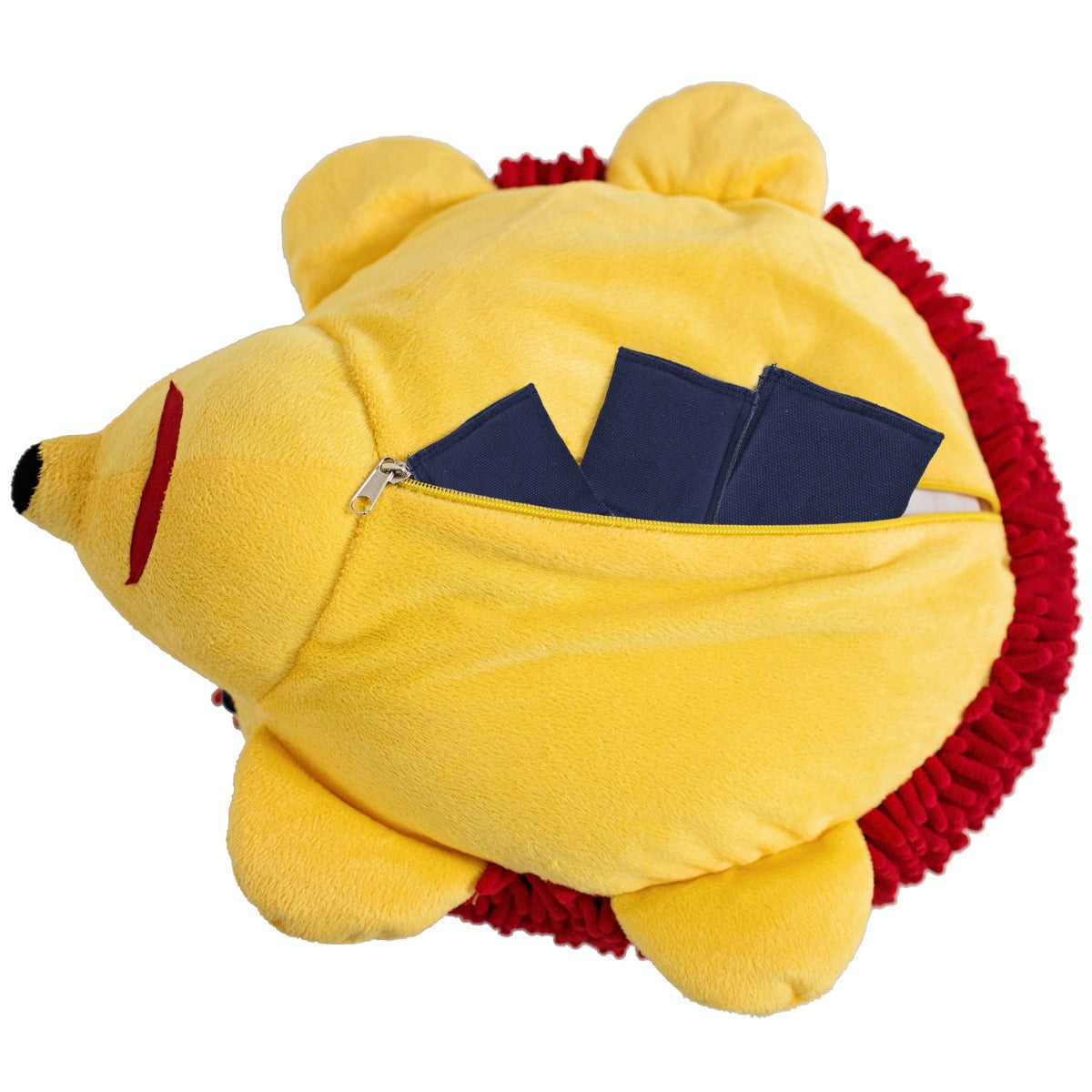
Weighted Sensory Stacking Toy

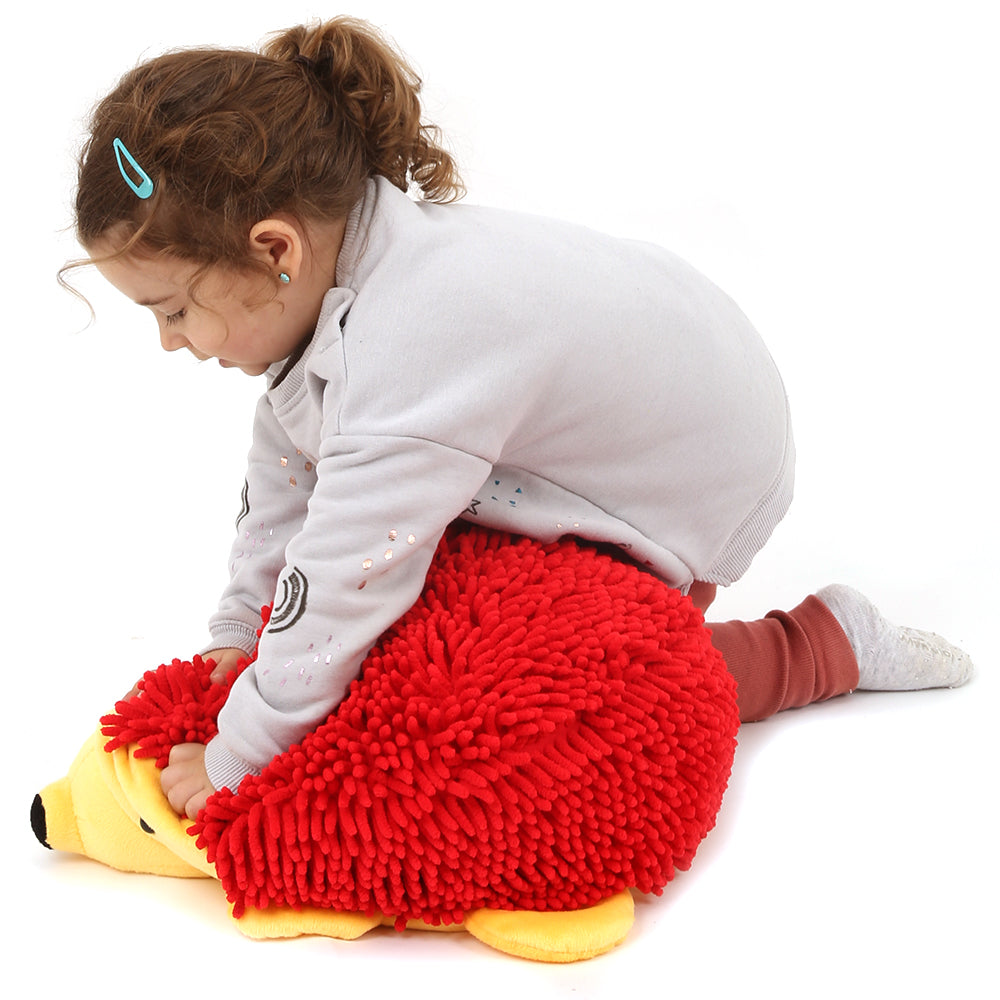
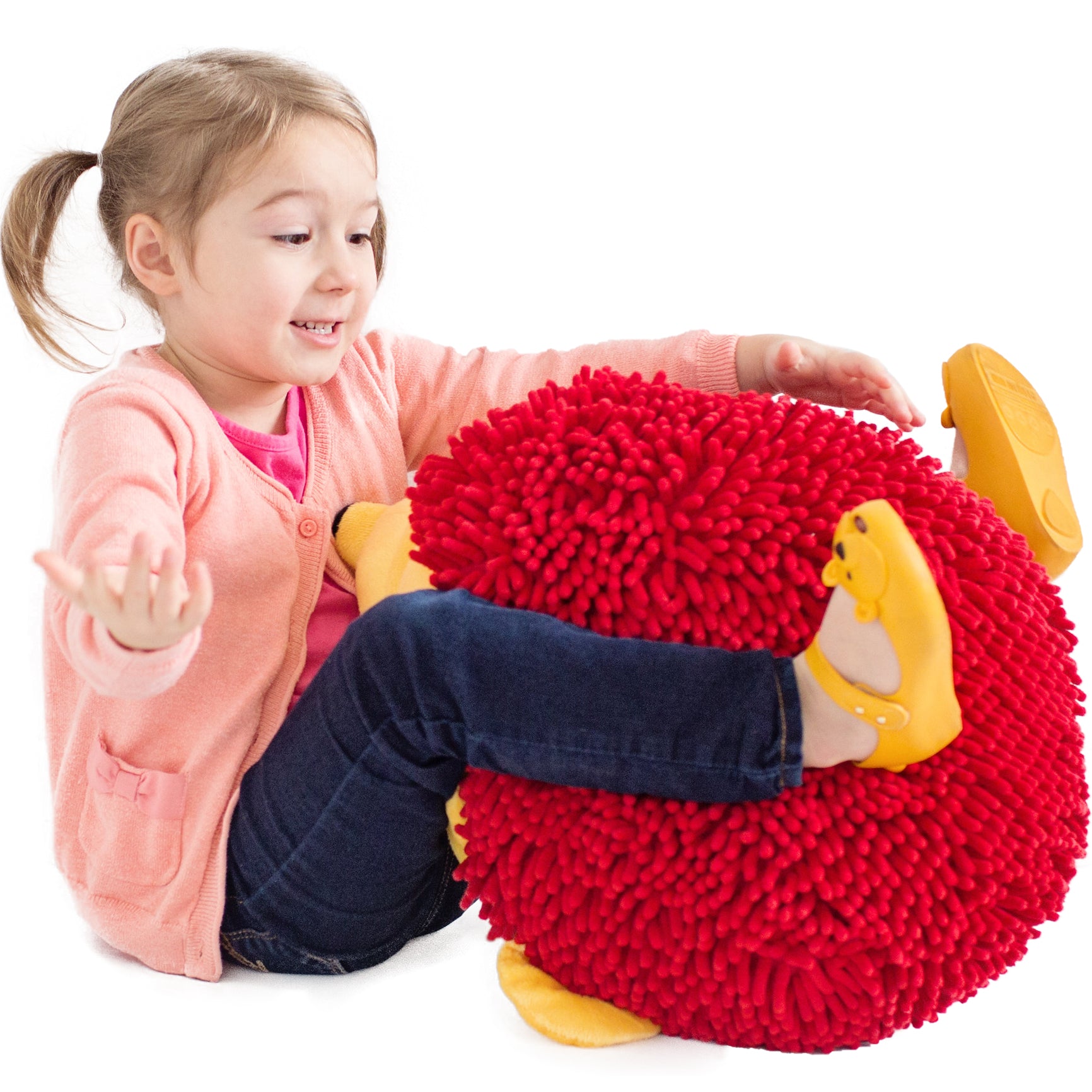
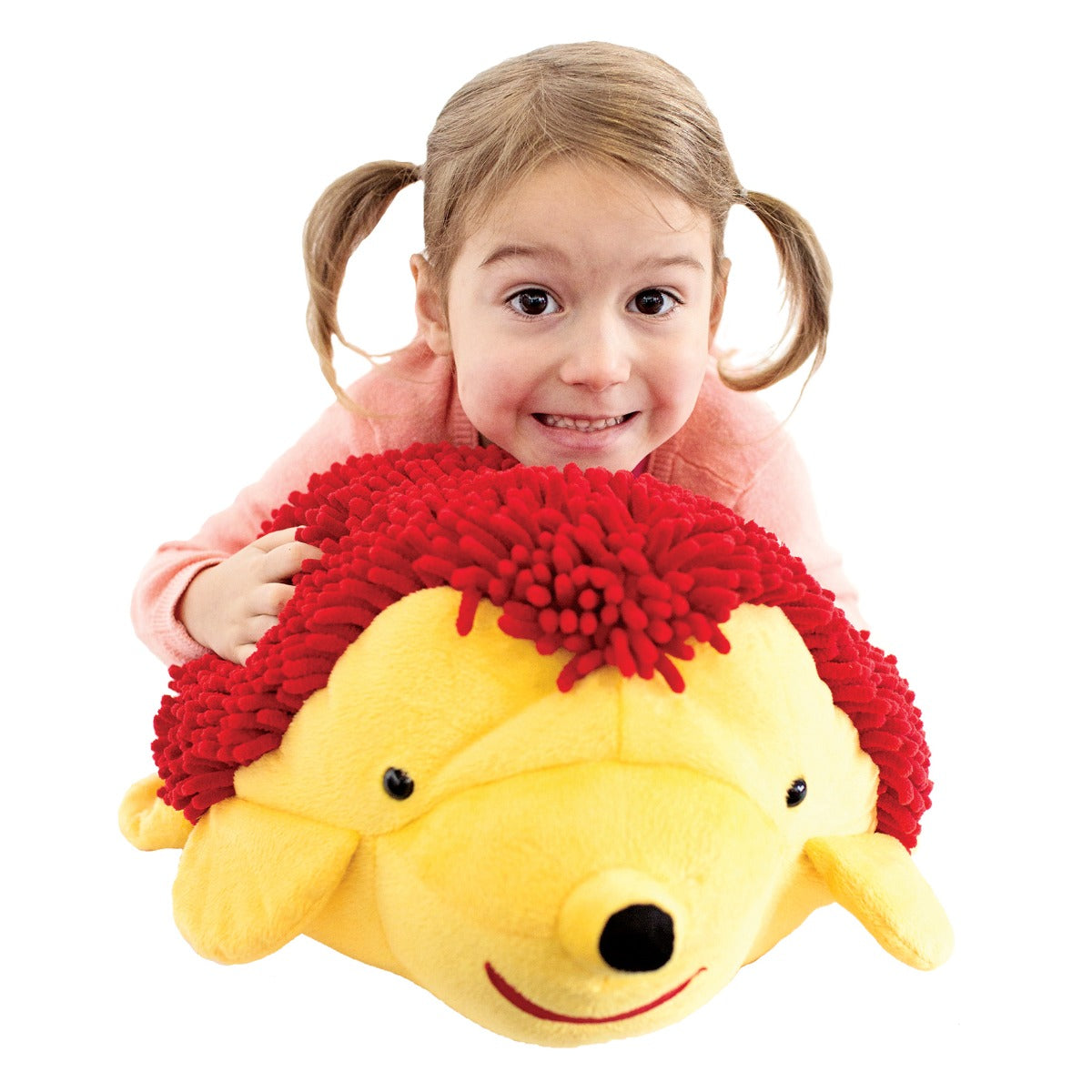
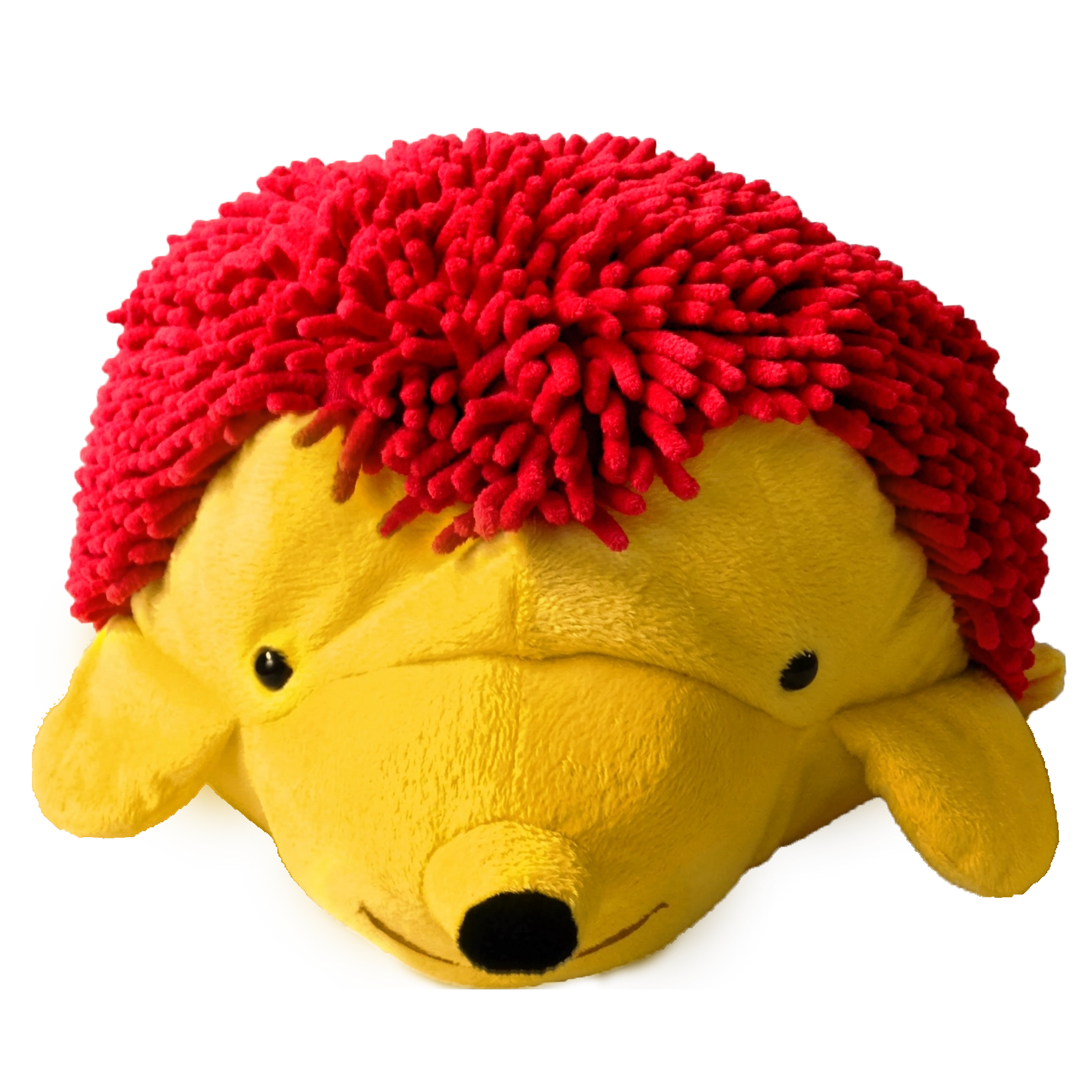

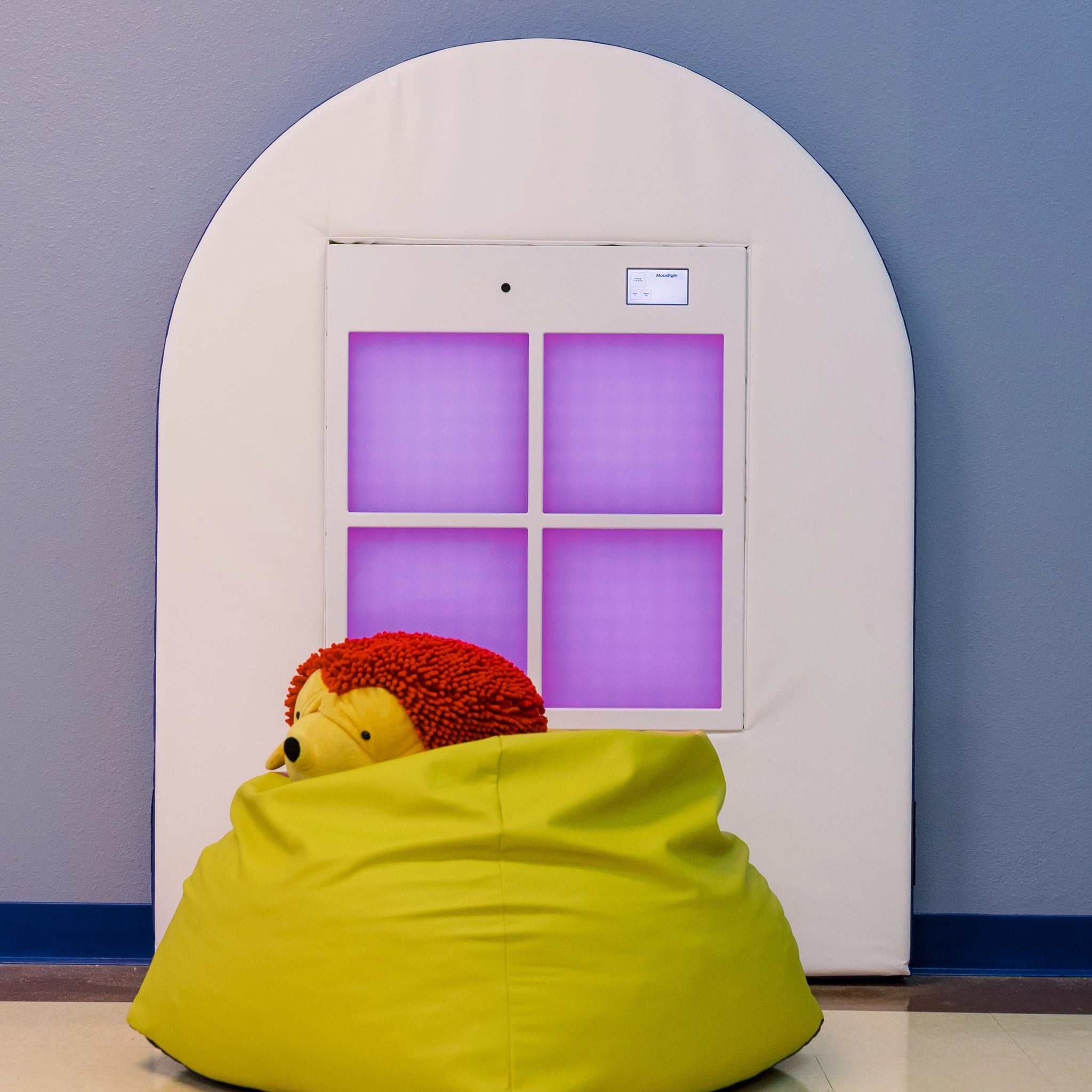


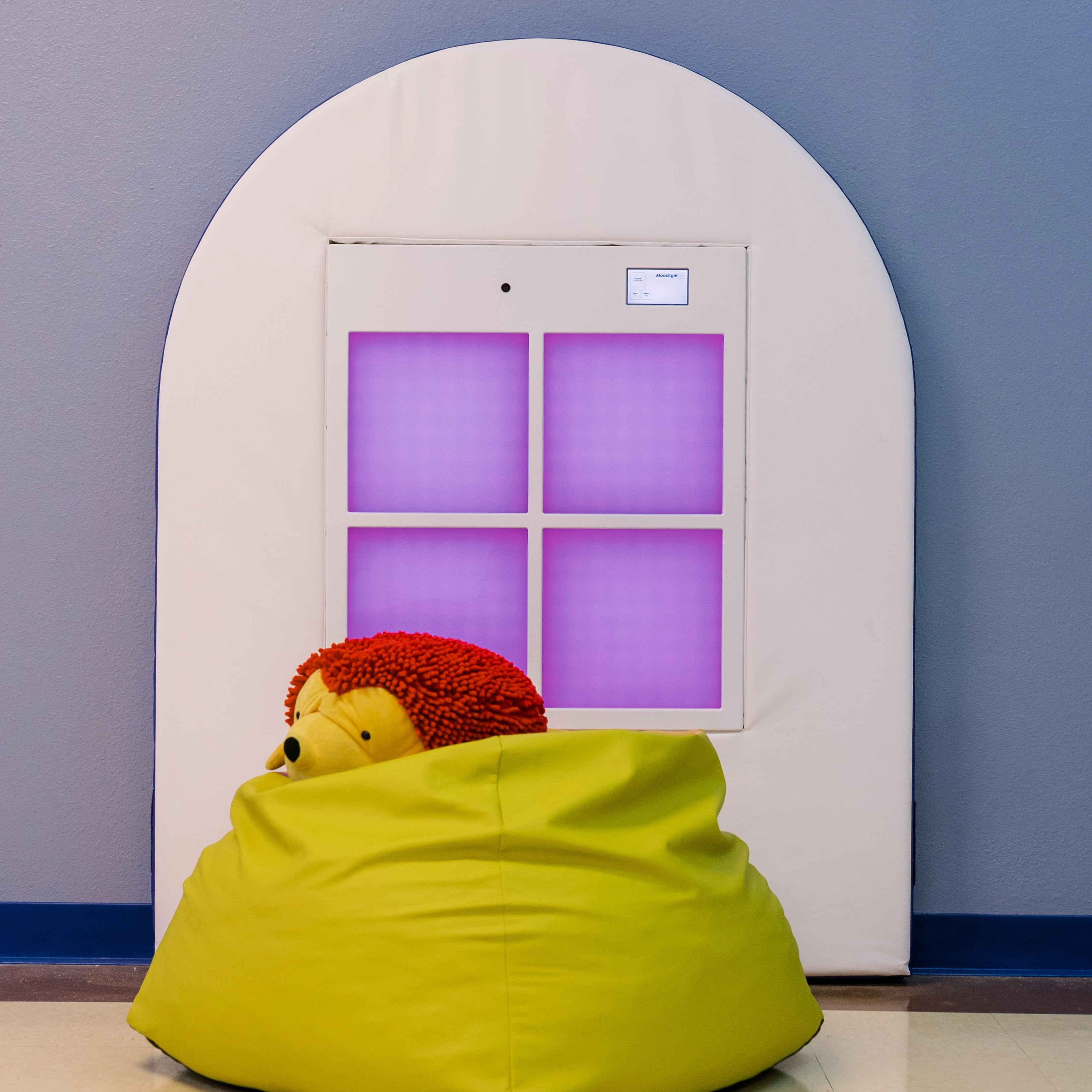
Harry the Sensory Hedgehog
Early Signs of Cerebral Palsy
Manifestations of CP look different in every child. Sometimes signs appear in early infancy. In other cases it is only apparent as a child’s developmental milestones are delayed. Parents may see any or all of the following signs of CP in their child:
- Delays in rolling, sitting or walking
- Stiff or floppy muscles, attributed to high or low muscle tone respectively
- Favoring one side of the body
- Feeding or speech difficulties
If you see signs of CP in your child and are concerned, reach out to your healthcare provider. Doctors typically diagnose CP through a series of pediatric tests, developmental screenings and imaging tests like MRIs.


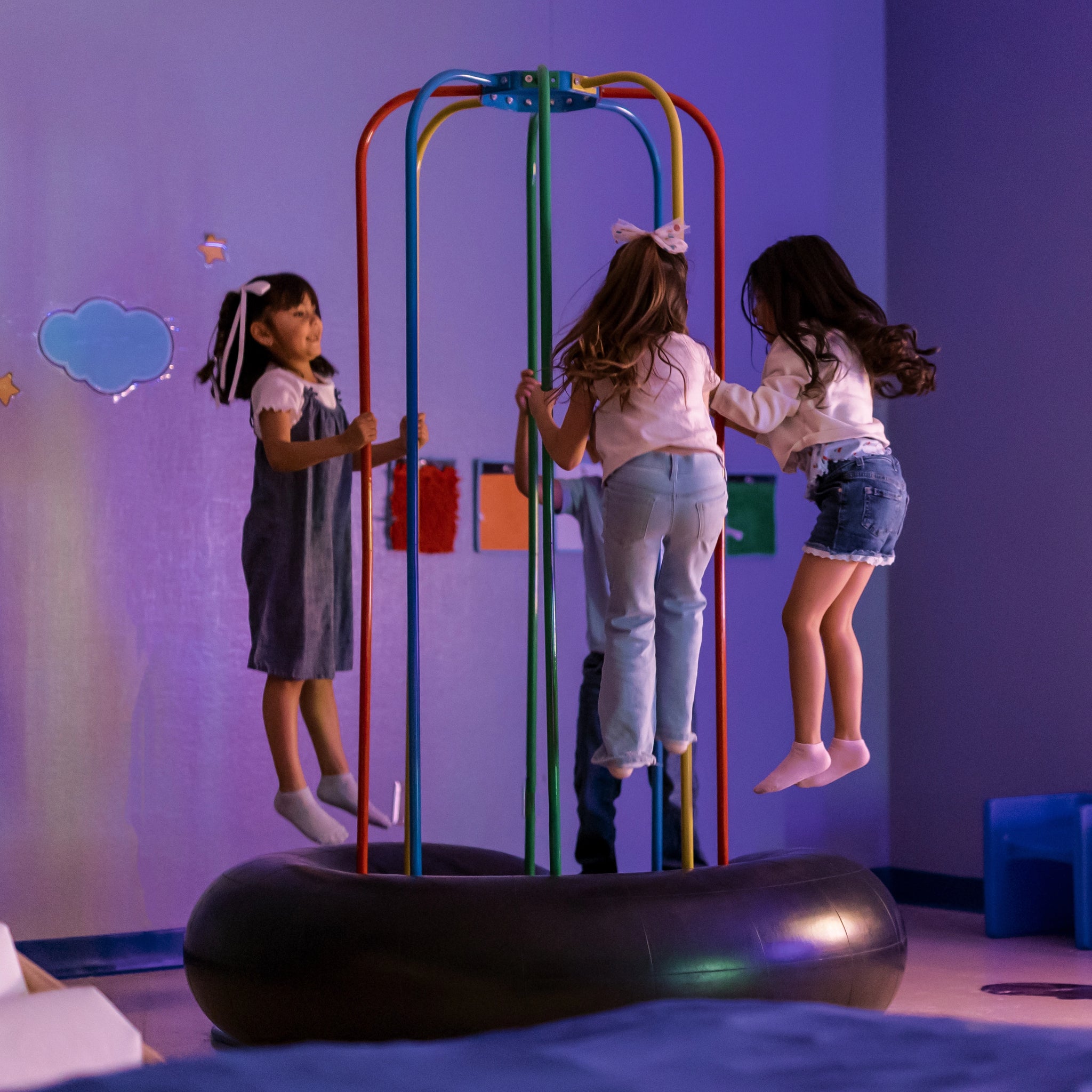


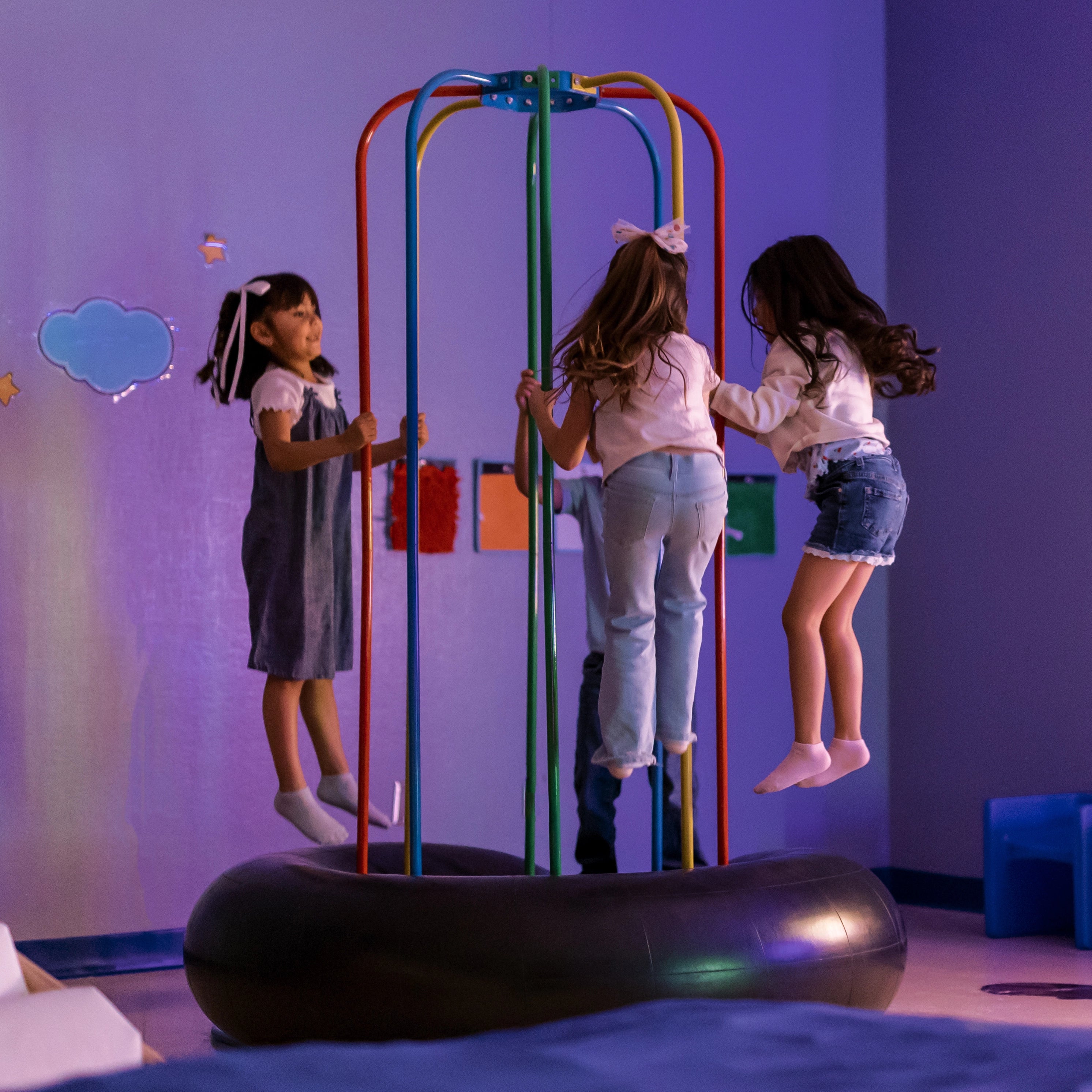


Jungle Jumparoo
What Are the Impacts of Cerebral Palsy on Learning & Play?
Motor, speech and coordination challenges are common in CP, but many children with the disorder have typical intelligence levels. They might need adaptive tools and equipment to help them communicate or participate fully in learning activities. These children might use augmentative and alternative communication (AAC) devices and/or require orthotics, specialized seating for postural support, or other mobility aids for daily life activities such as feeding.
Kids who have mild CP may show much more subtle signs. They might have a slightly awkward gait while walking or struggle with mild
It is important to remember that every child has unique strengths and challenges. Provided with the right support they can join their peers in play, build skills and feel confident in their abilities.

How to Support a Child With Cerebral Palsy
Being diagnosed with cerebral palsy does not mean that your child cannot live a “normal” life. With various combinations or therapies, assistive technology and emotional support, many children with CP grow into independent, active adults. Cerebral palsy is not itself progressive, meaning it will not worsen over time, although related complications, such as joint pain, may require ongoing management. Incorporating solid daily support strategies can make a huge difference for kids. Some of the common areas of daily life in which parents provide extra support include the following:
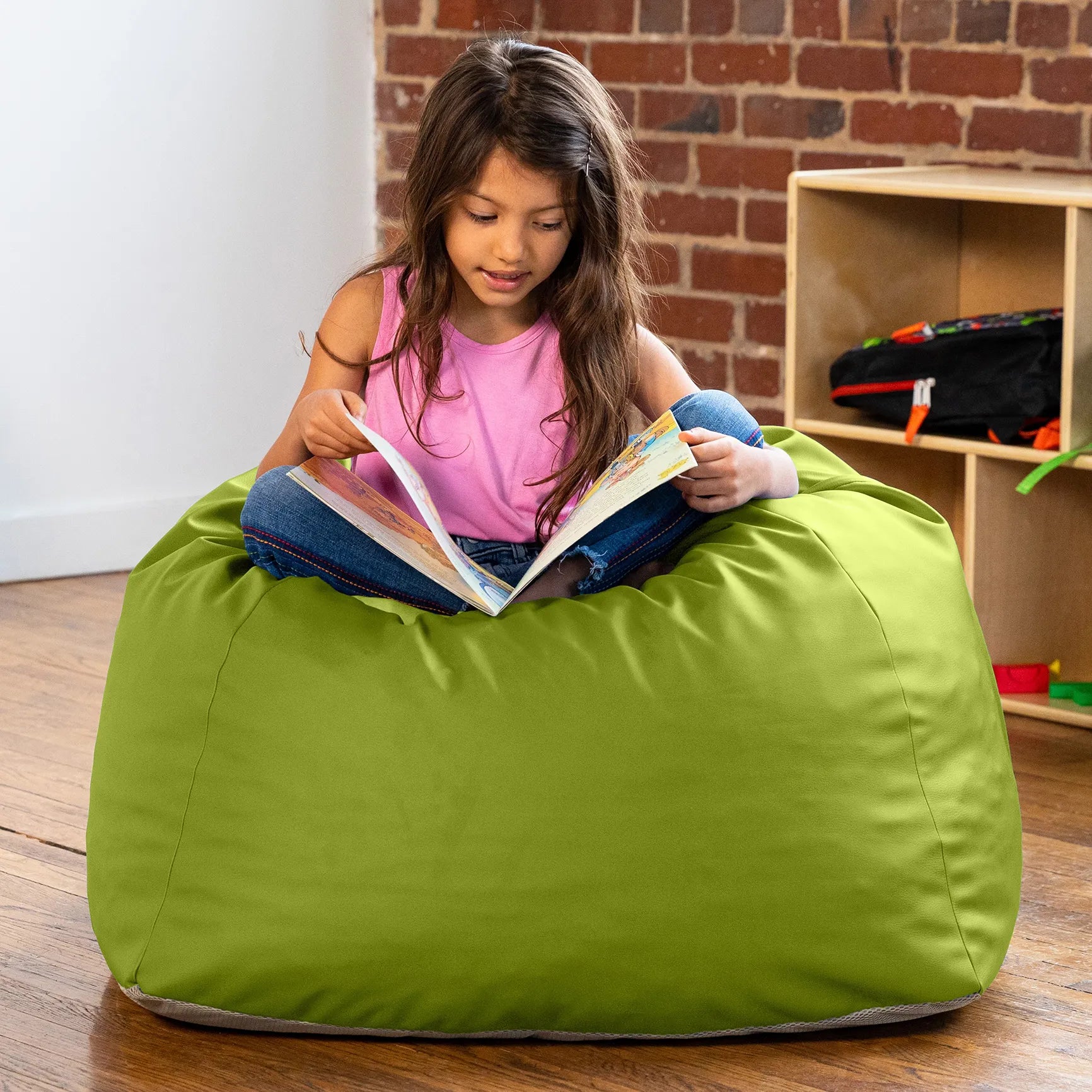
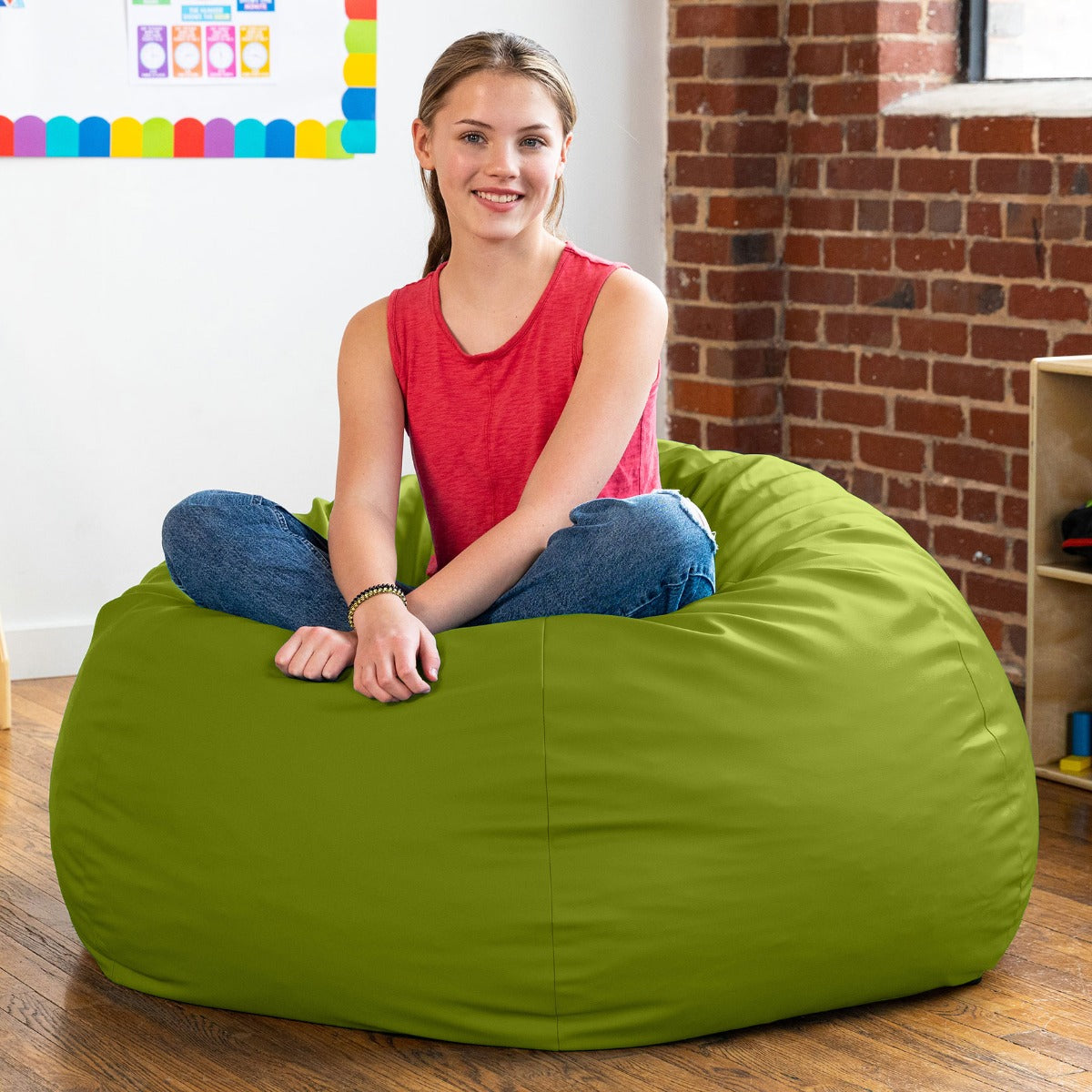
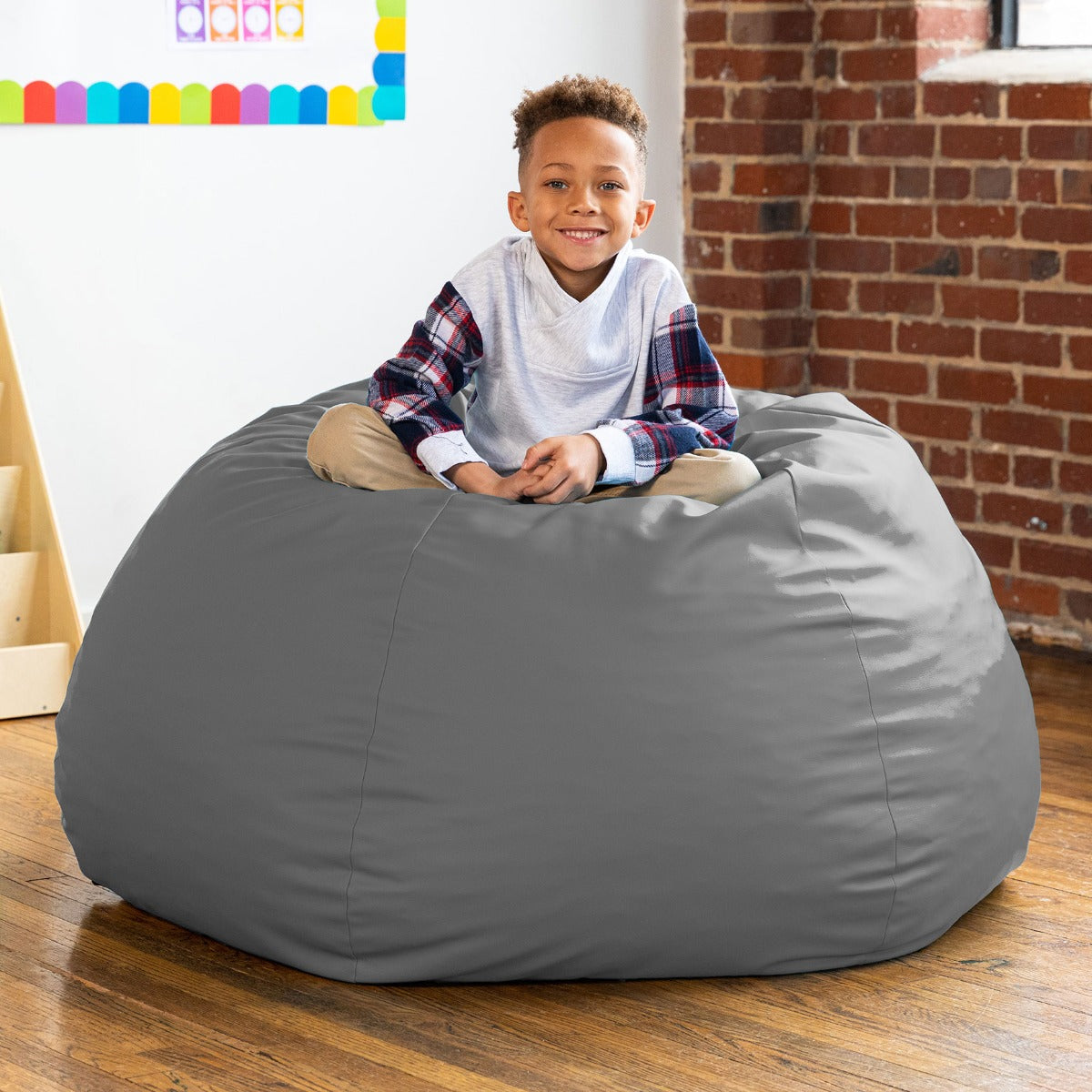
- Flexible seating options can improve posture and increase comfort during seated activities like mealtimes and homework
- Promote social play with siblings and friends by arranging playdates so that children can exercise their social skills. Incorporate physical adaptations to activities as needed, so that your child is able to participate
- Create safe, predictable routines in order to foster independence in your child
- Collaborate with teachers and/or therapists to ensure successful carryover between settings and set realistic goals for your child

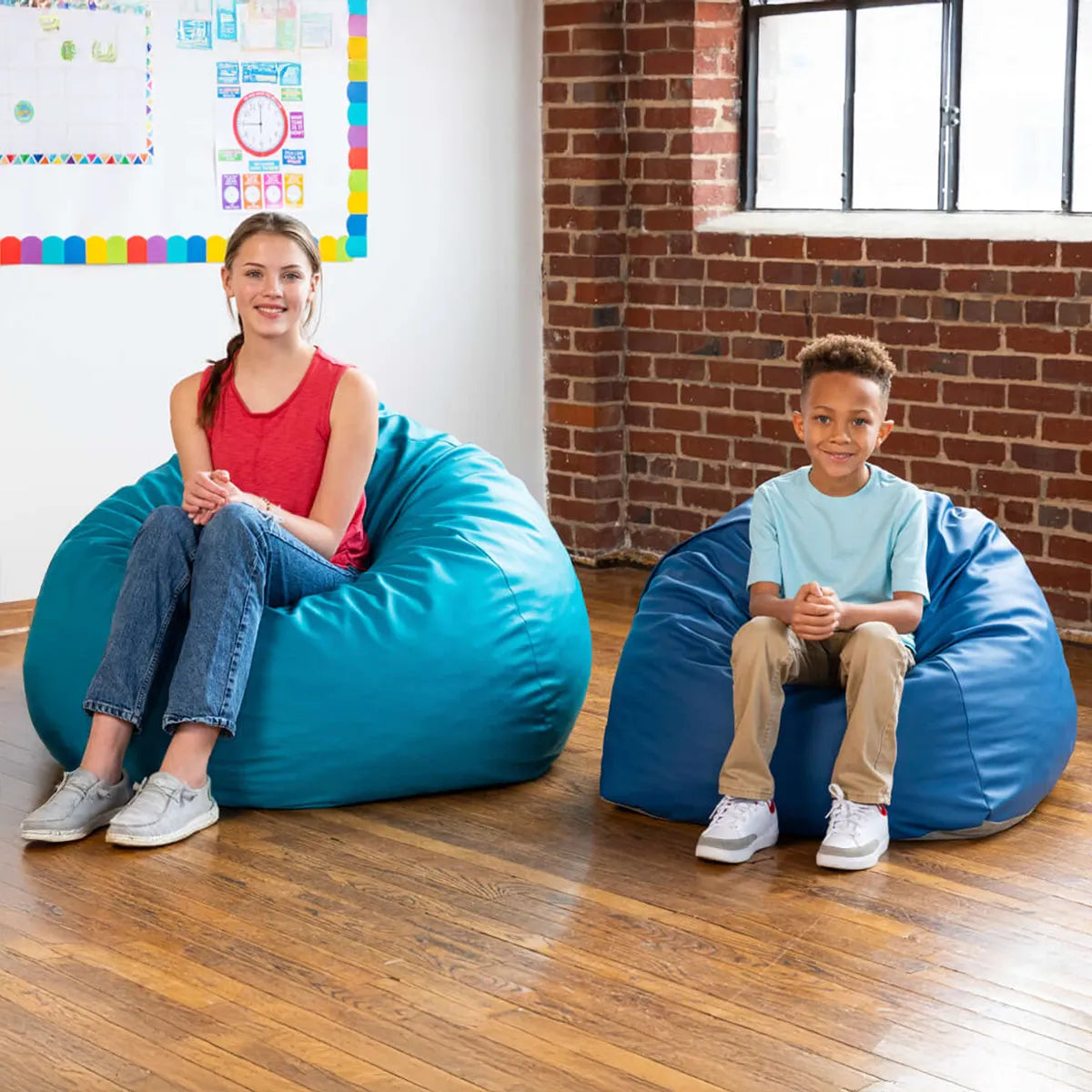
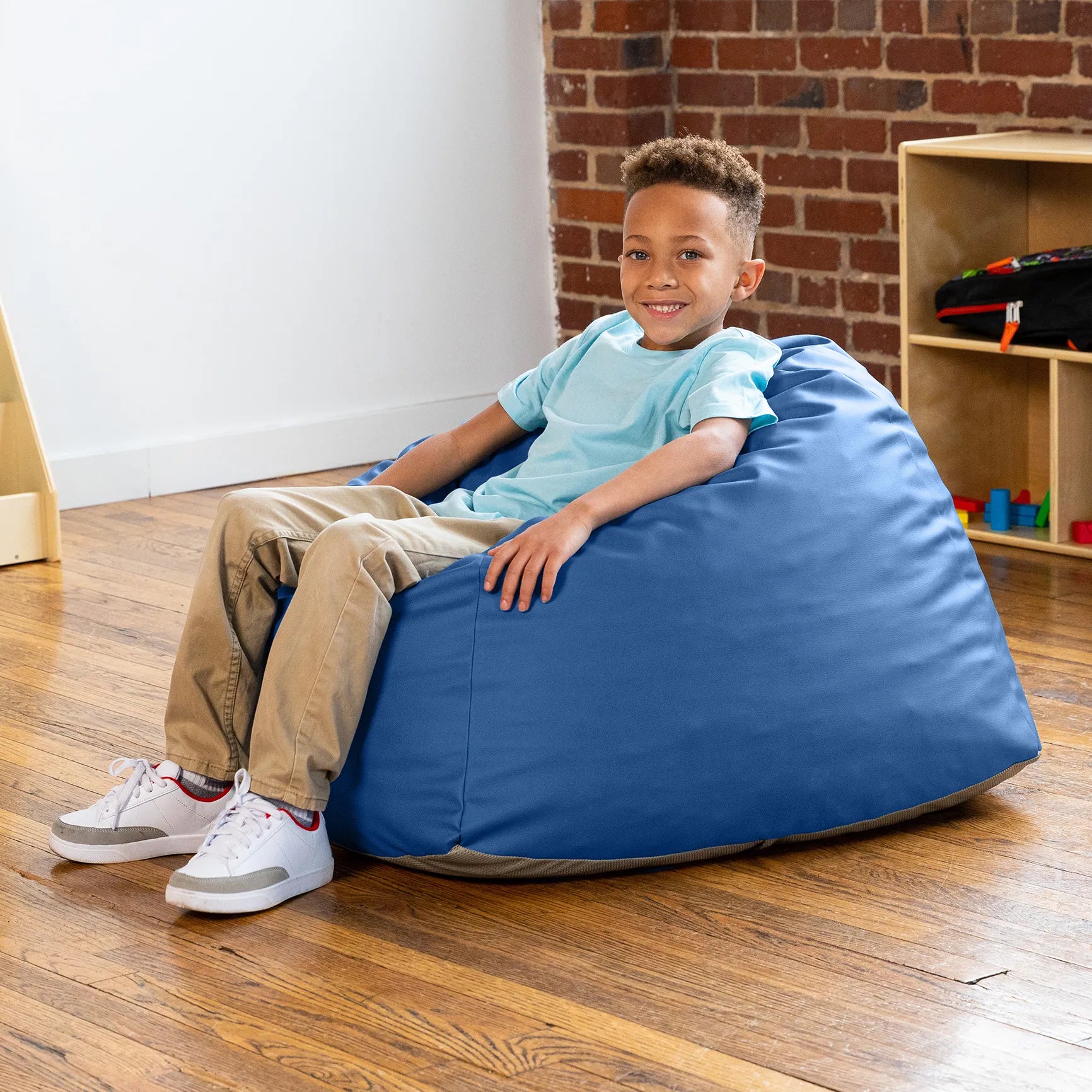
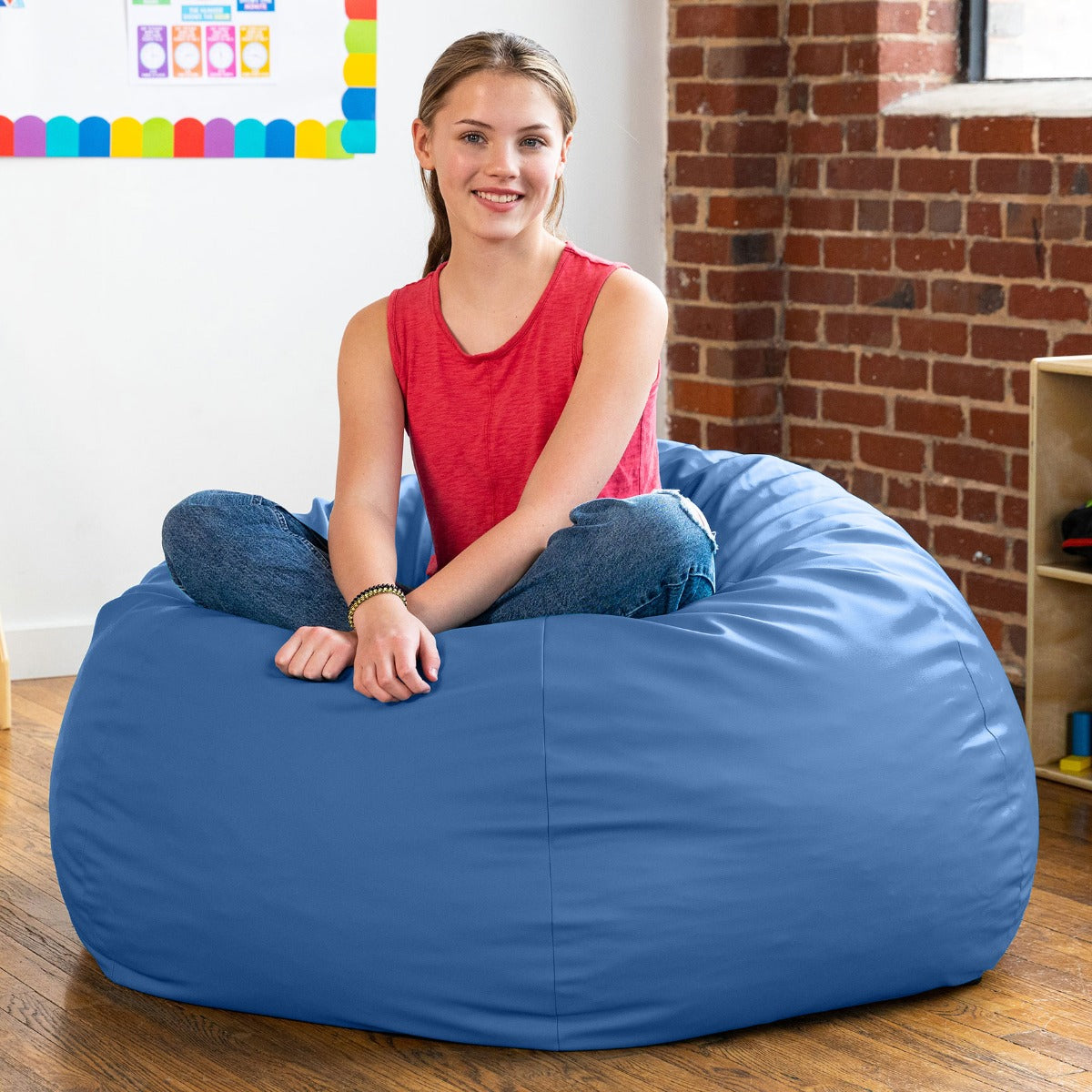
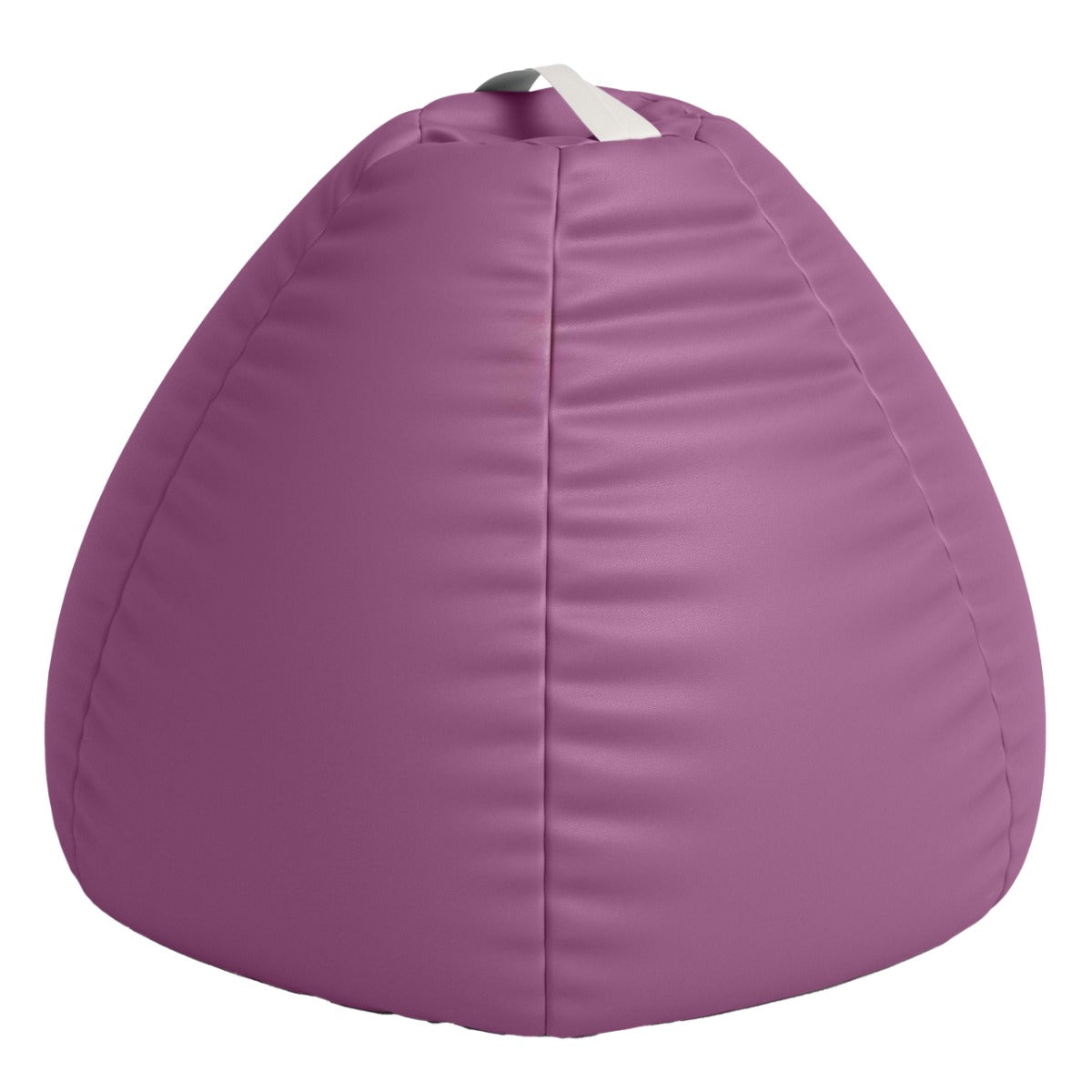
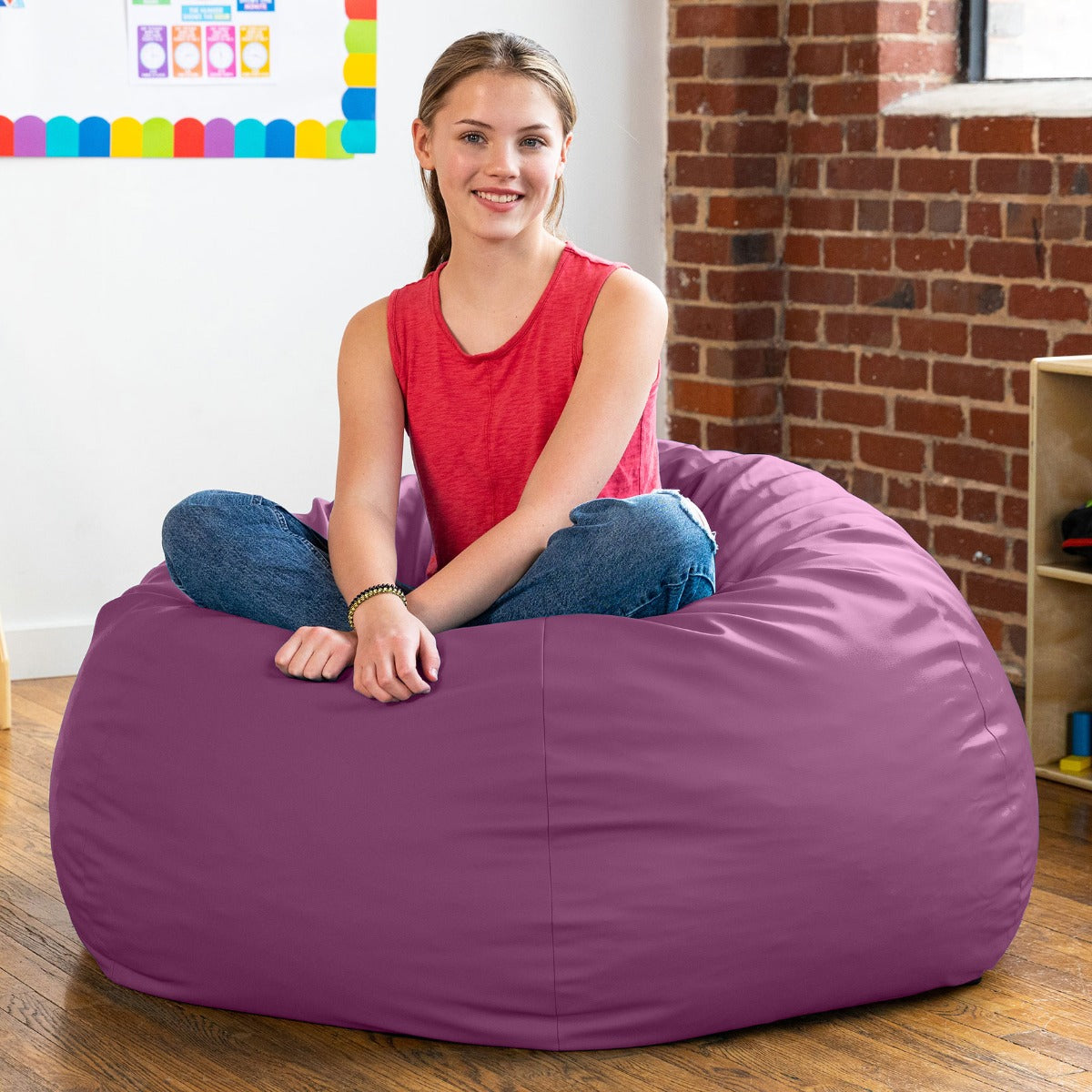
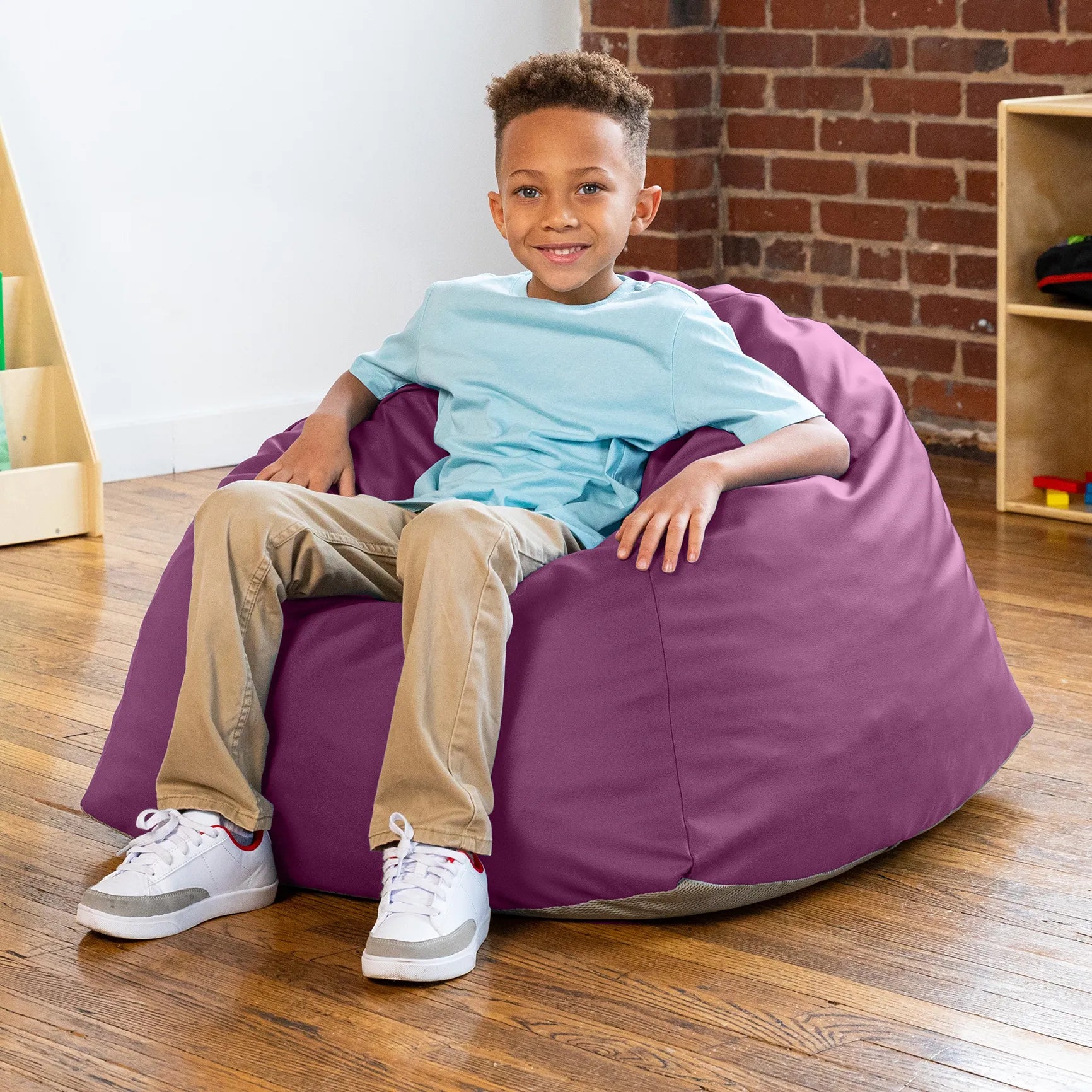

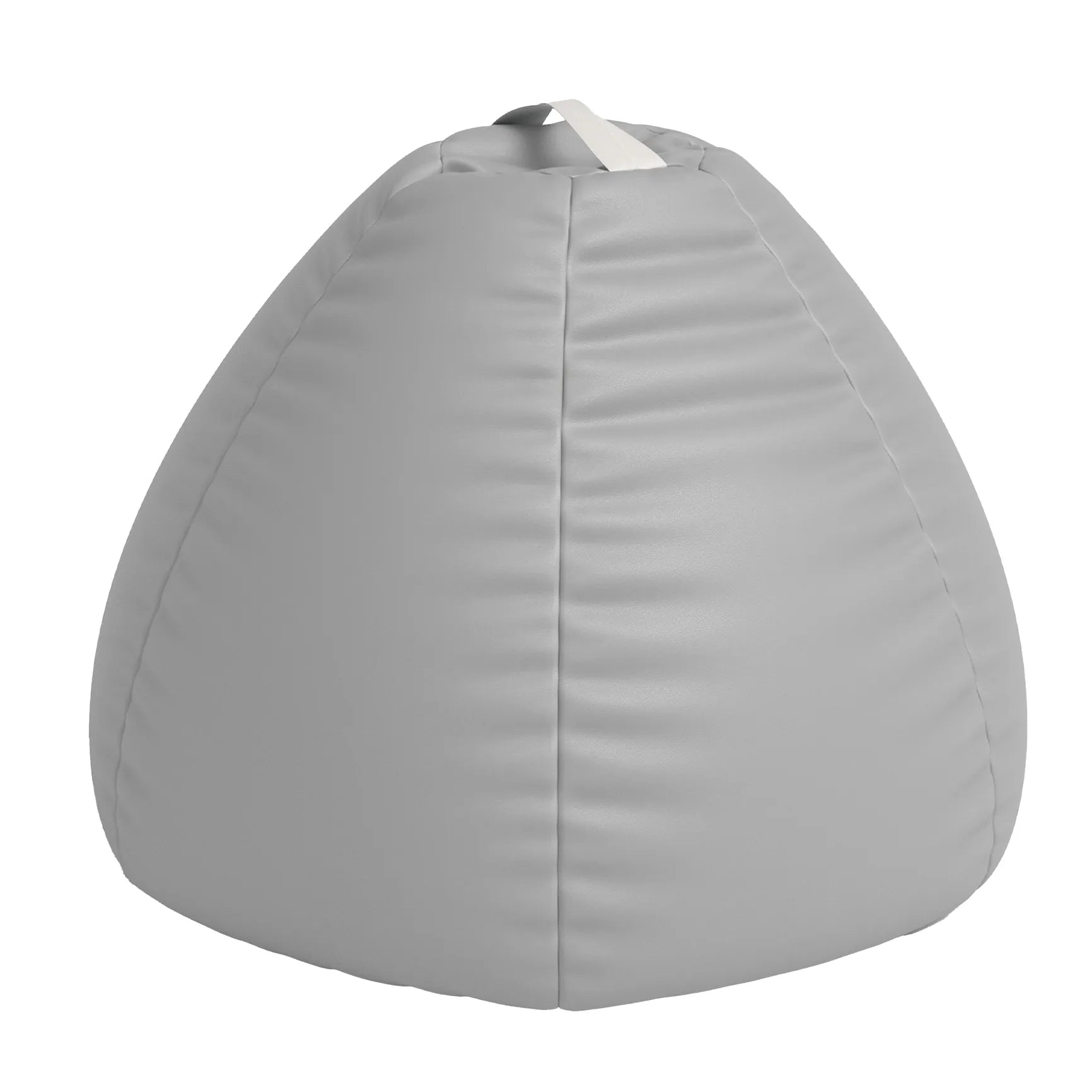
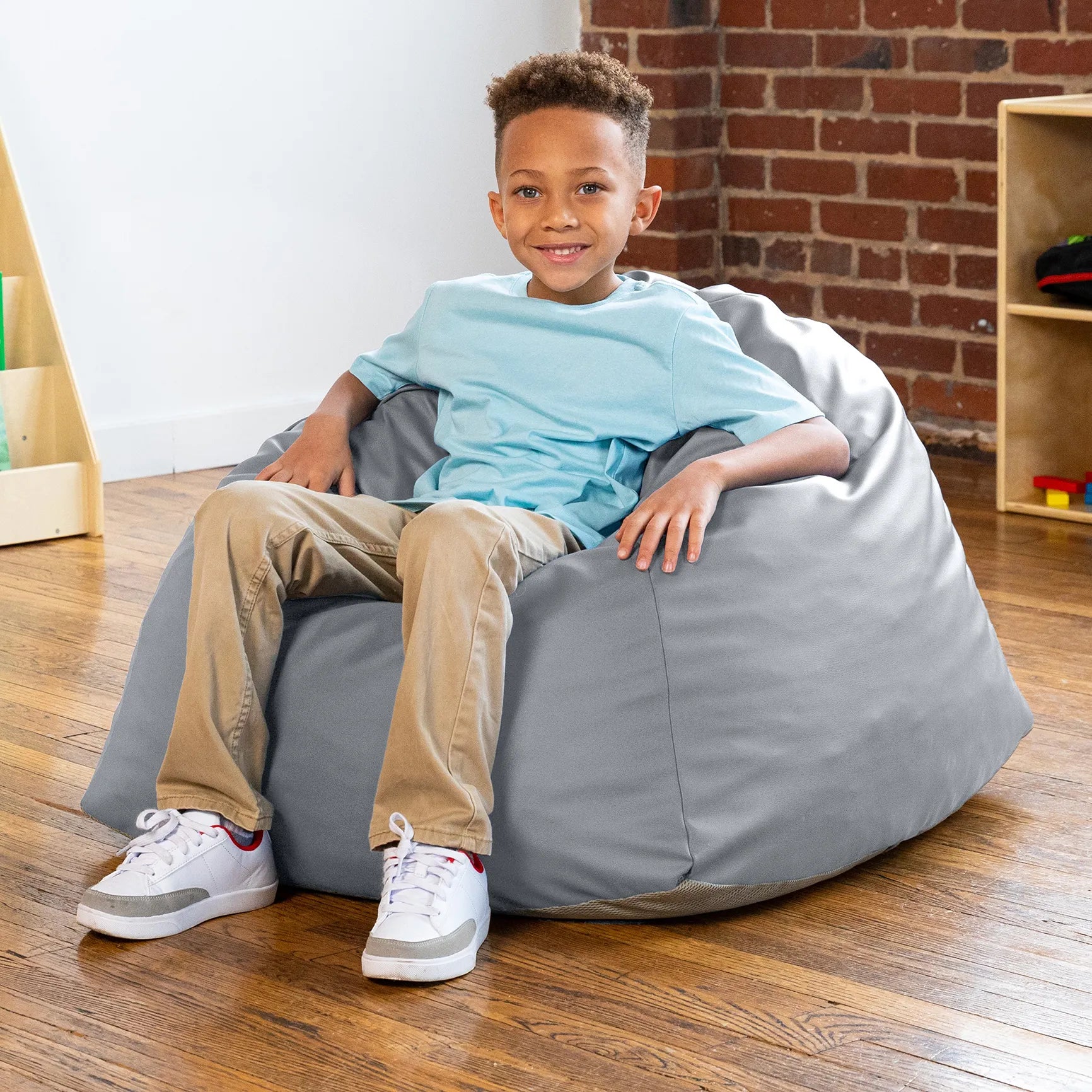
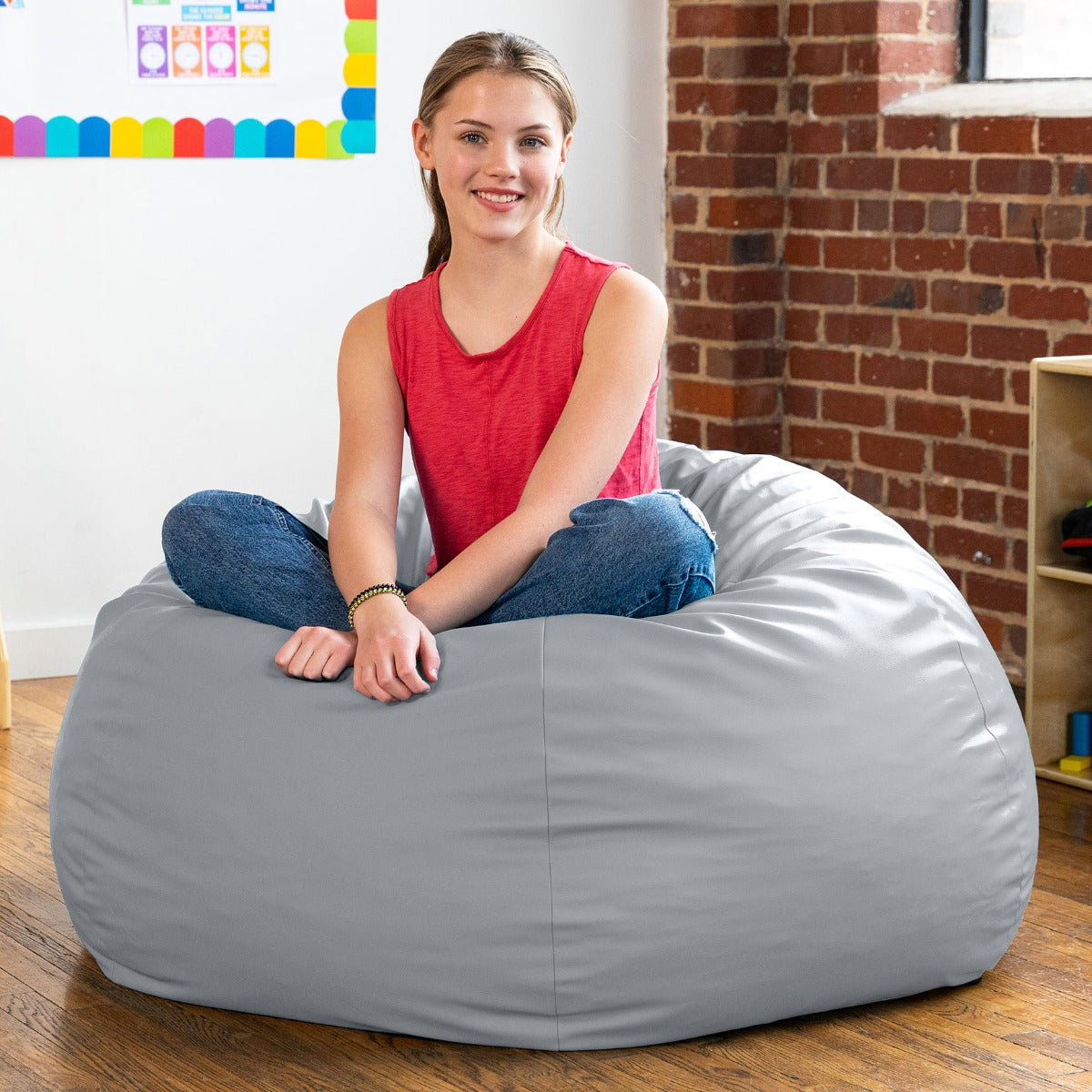
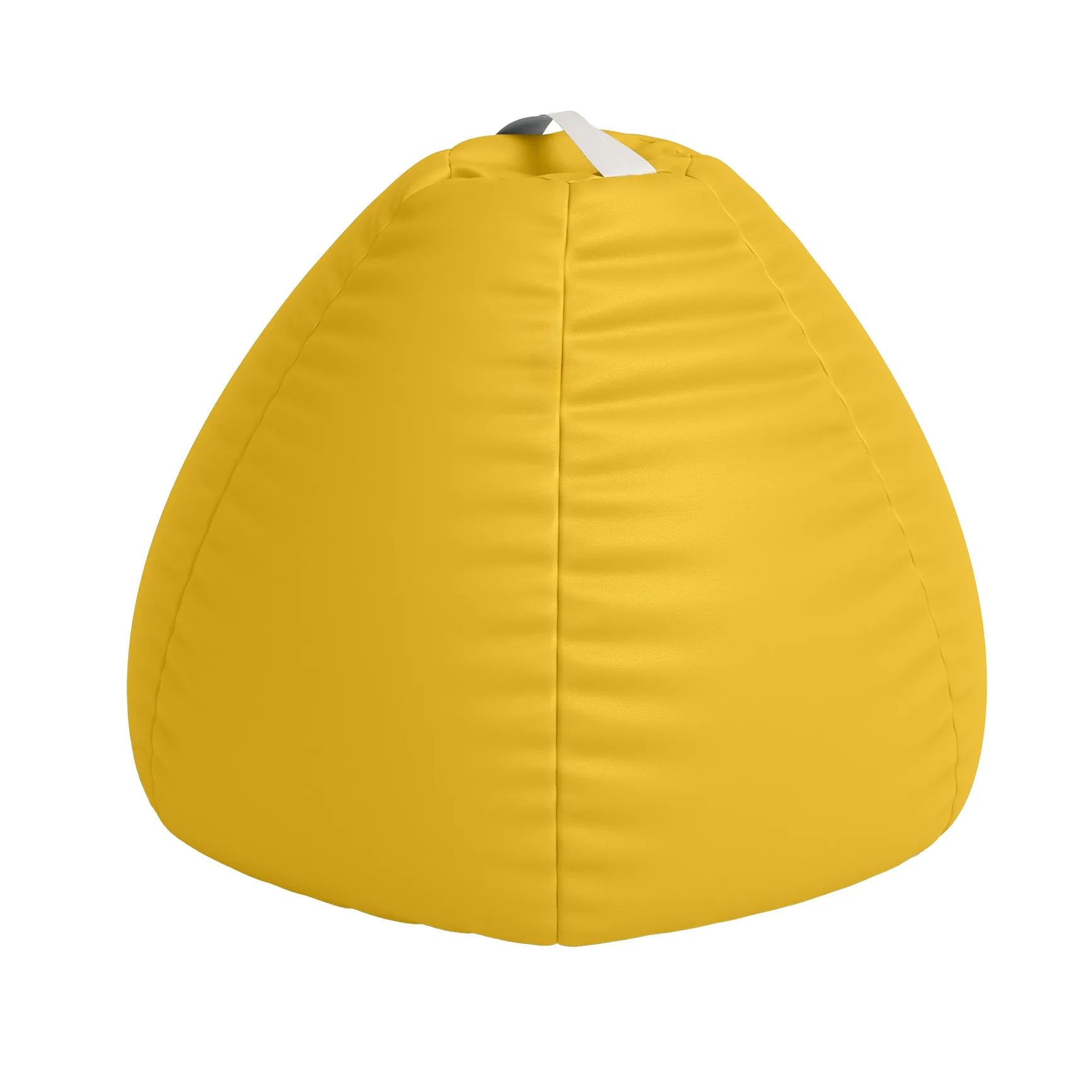
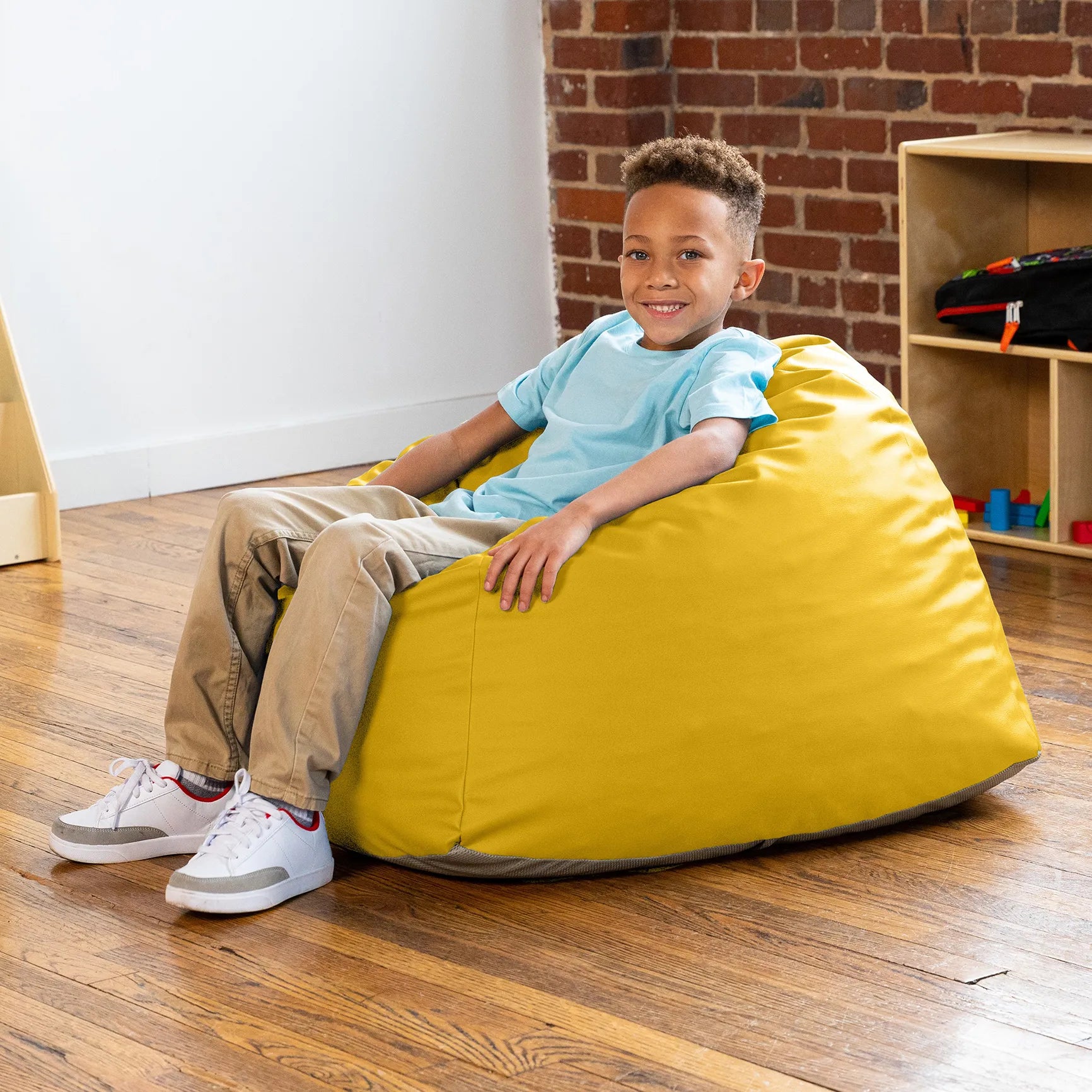
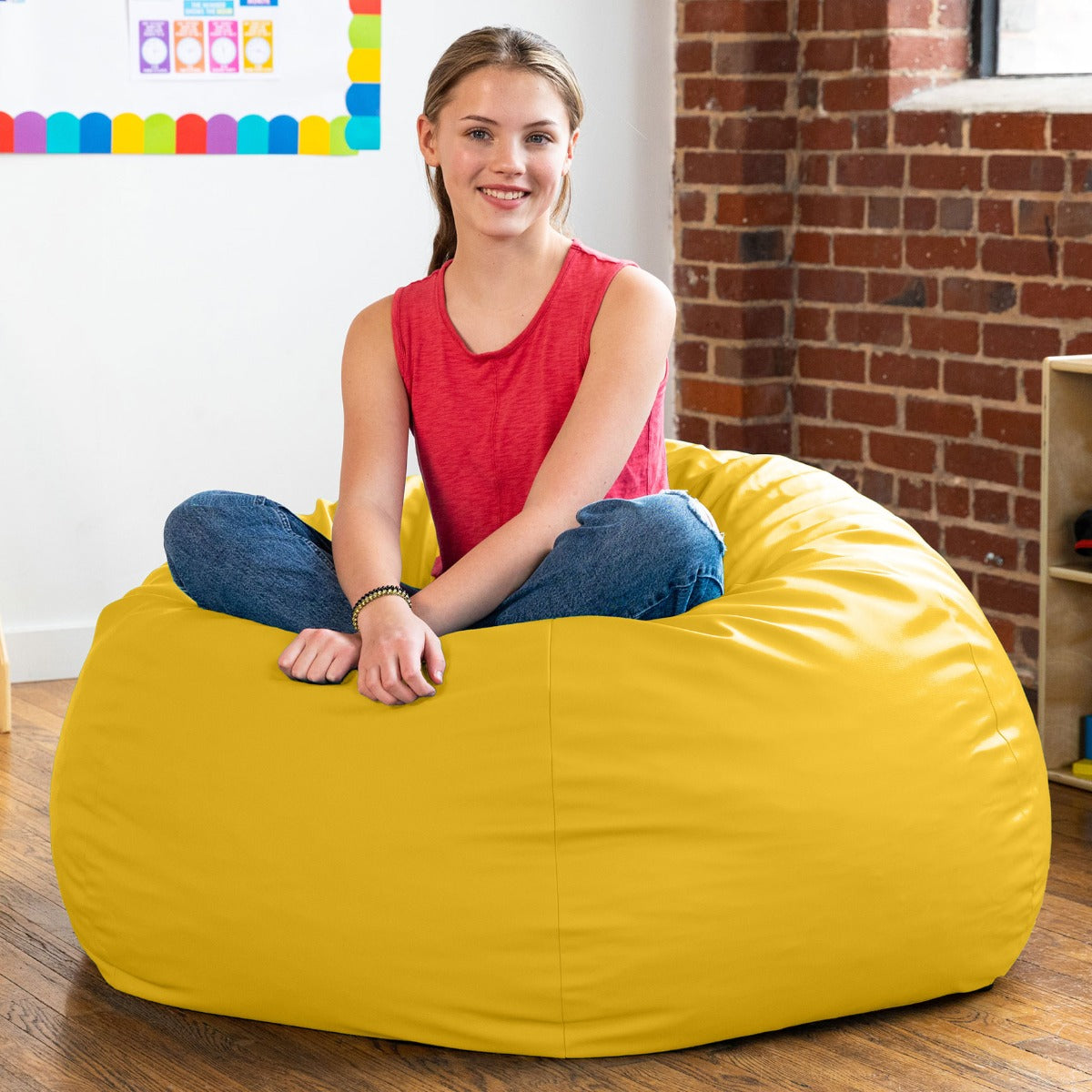
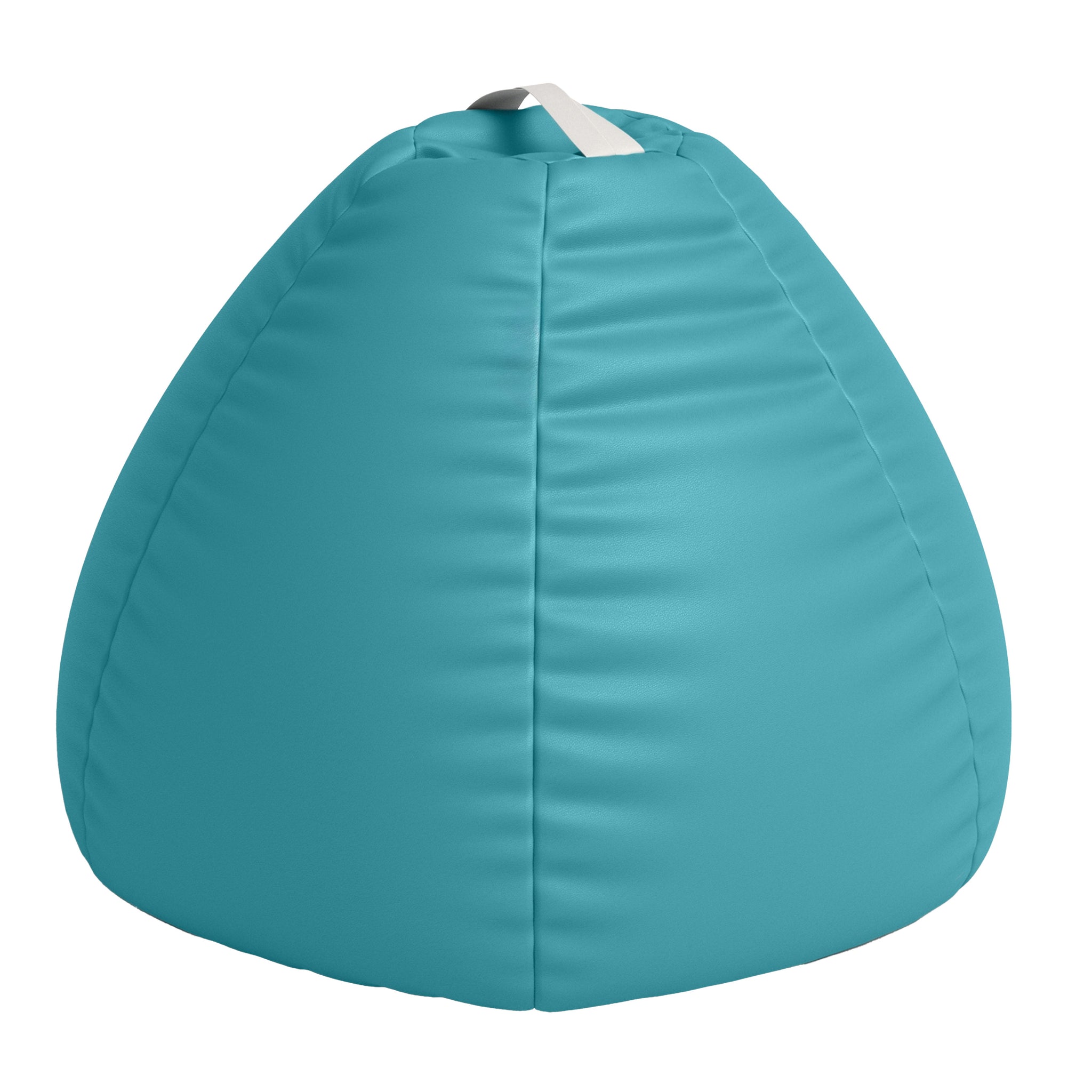
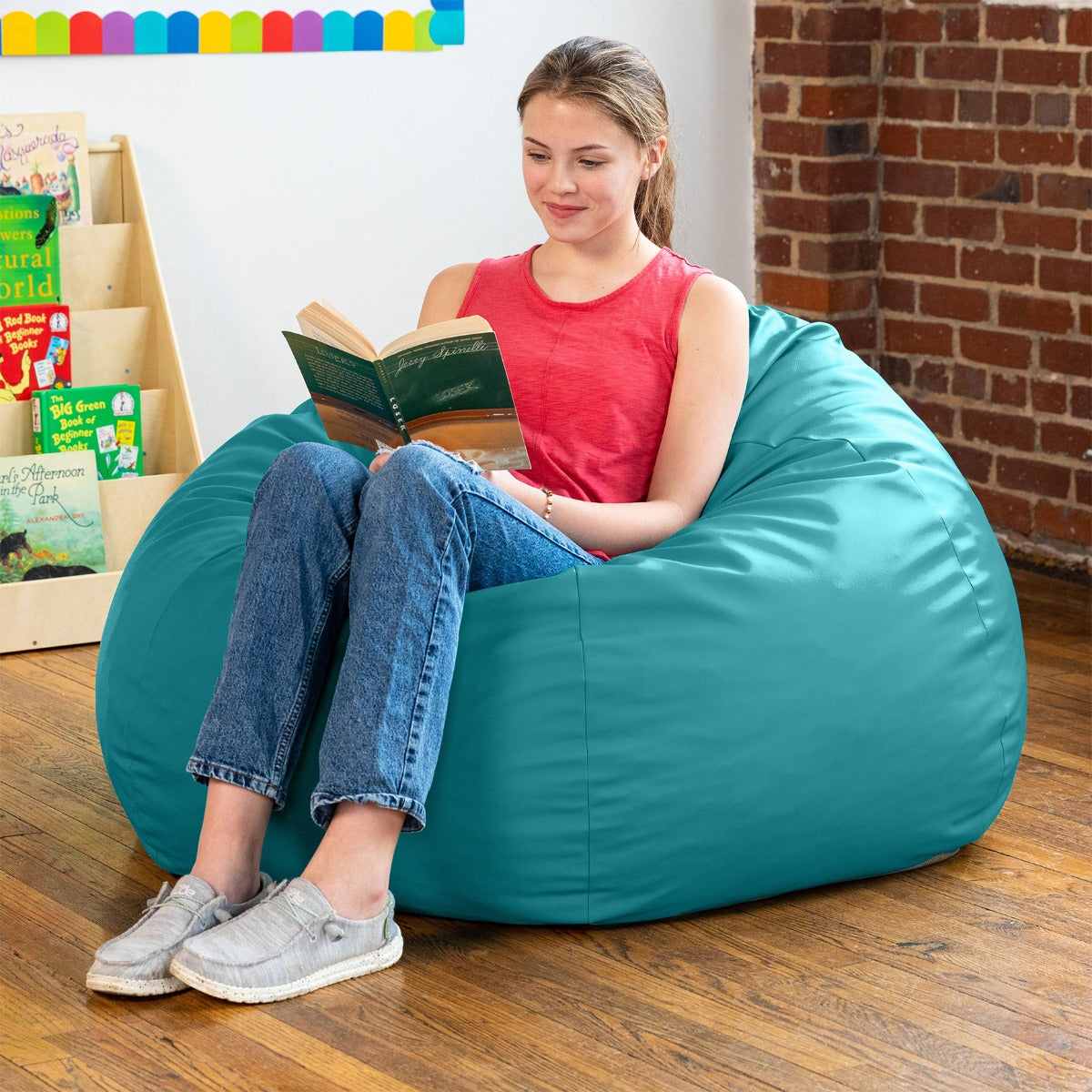
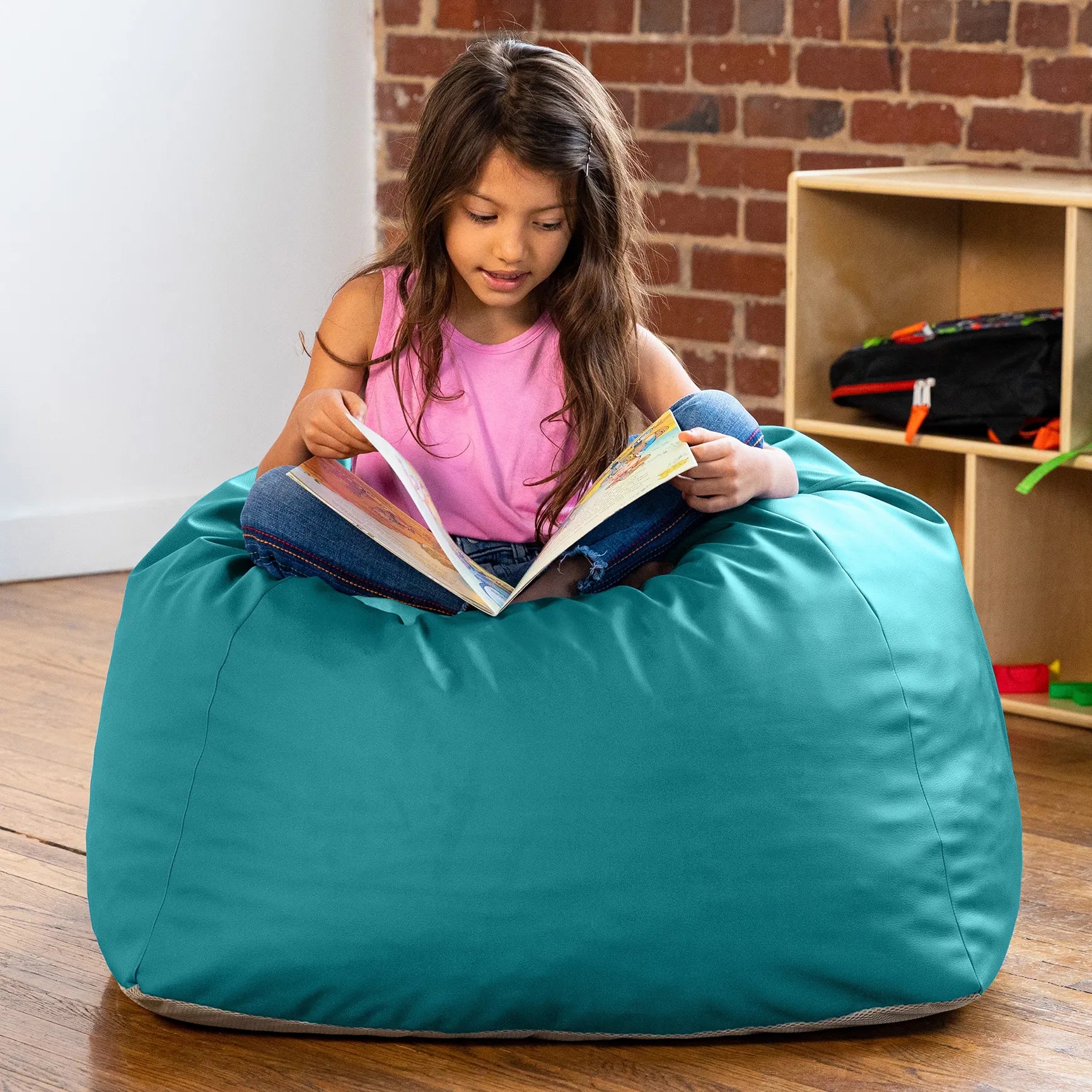
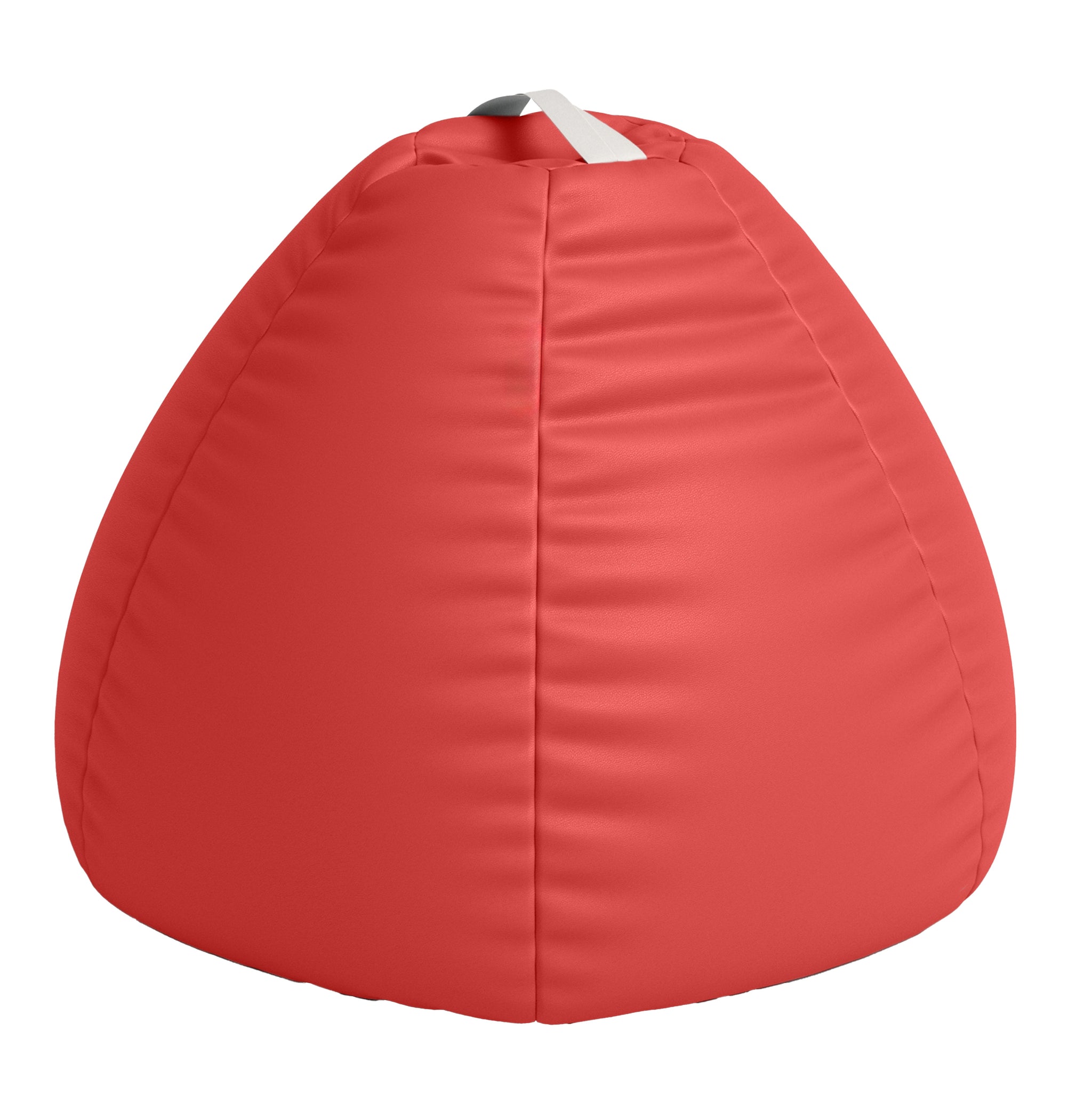
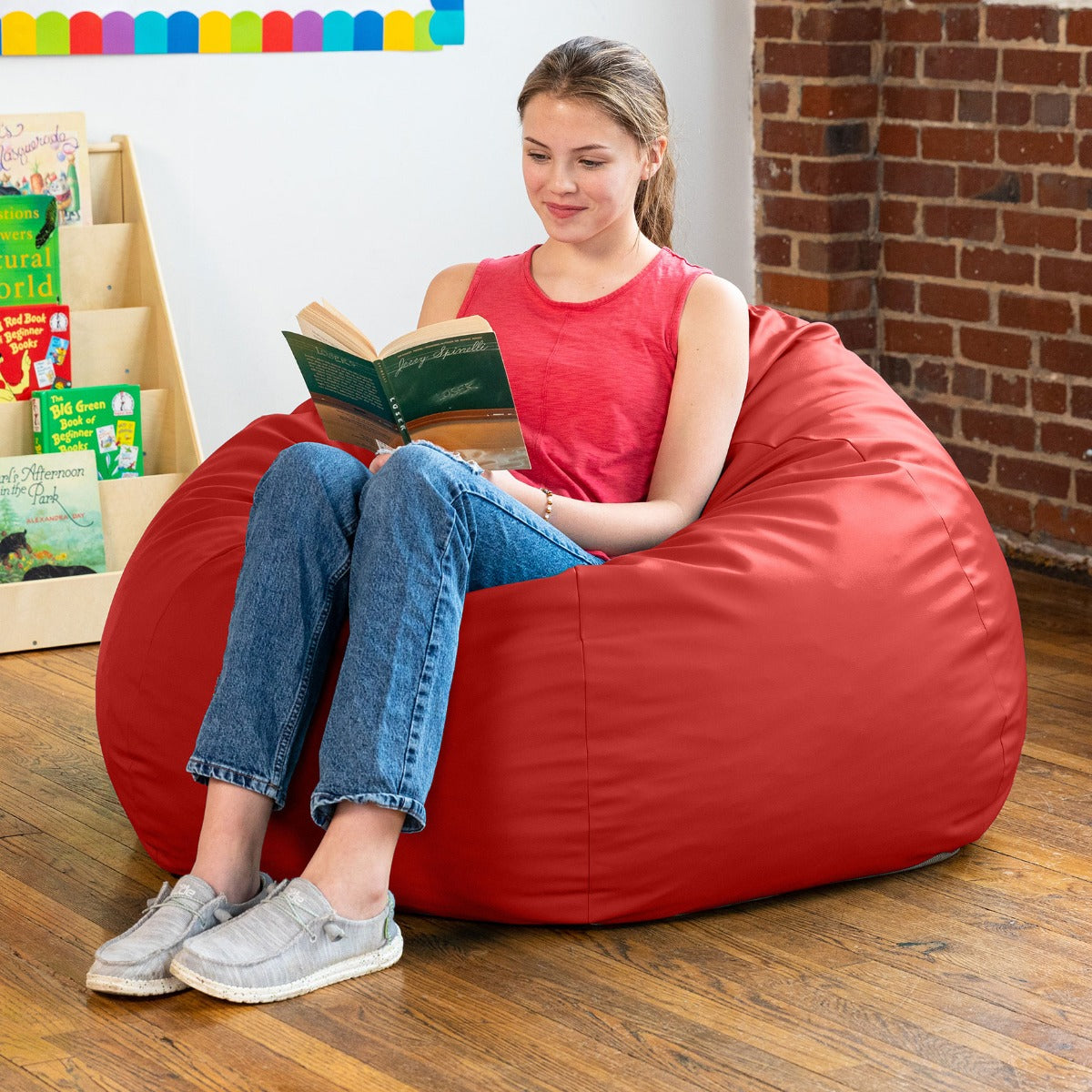
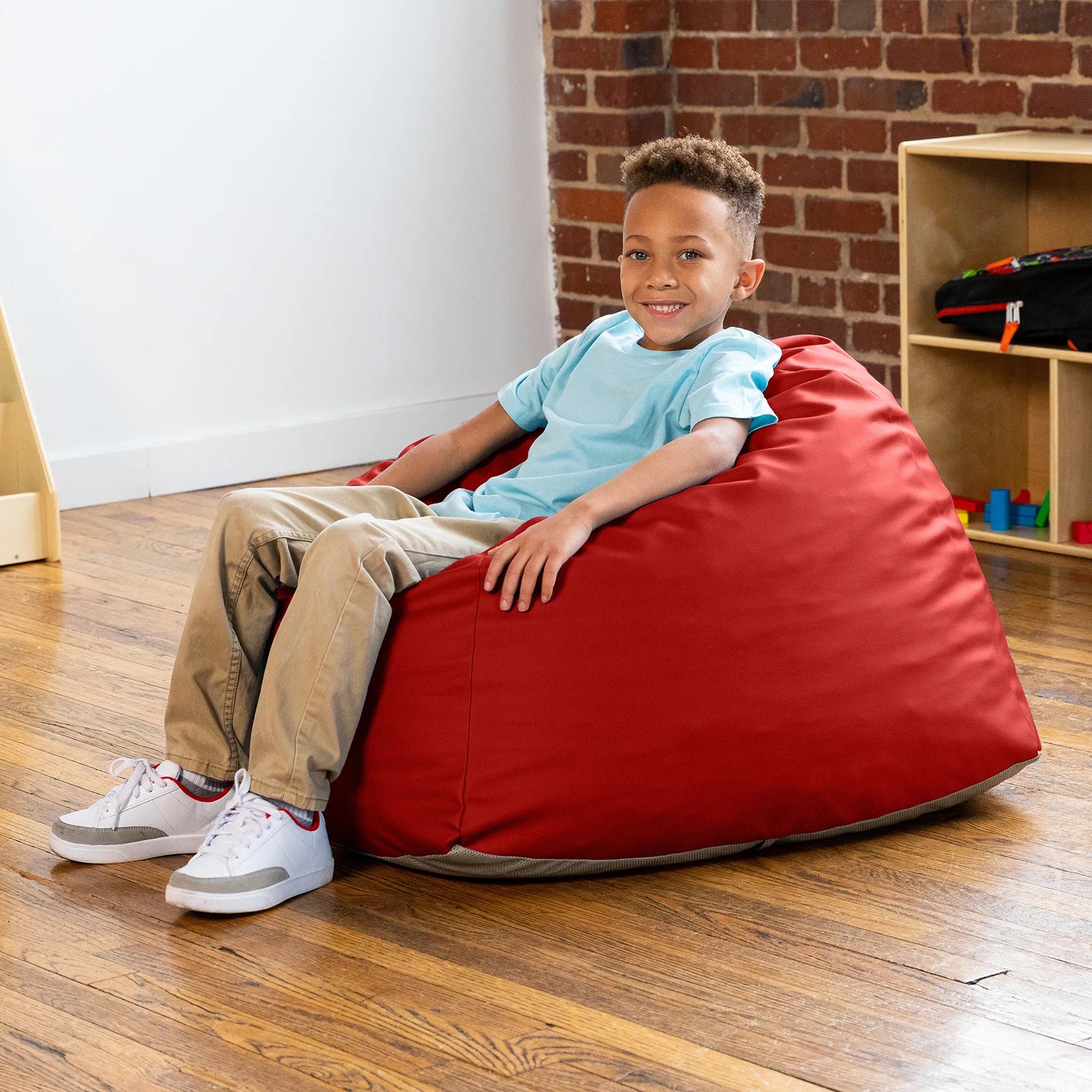
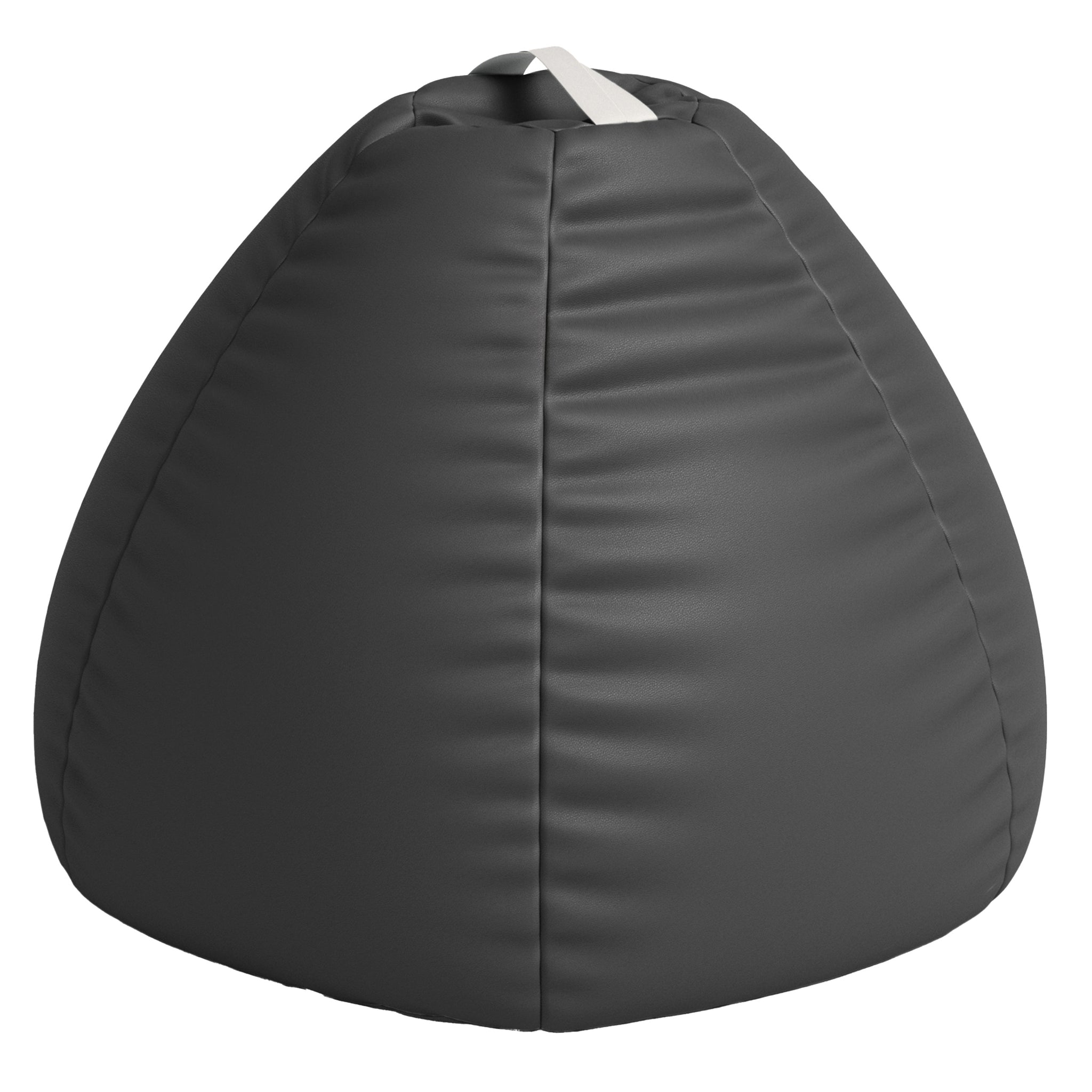
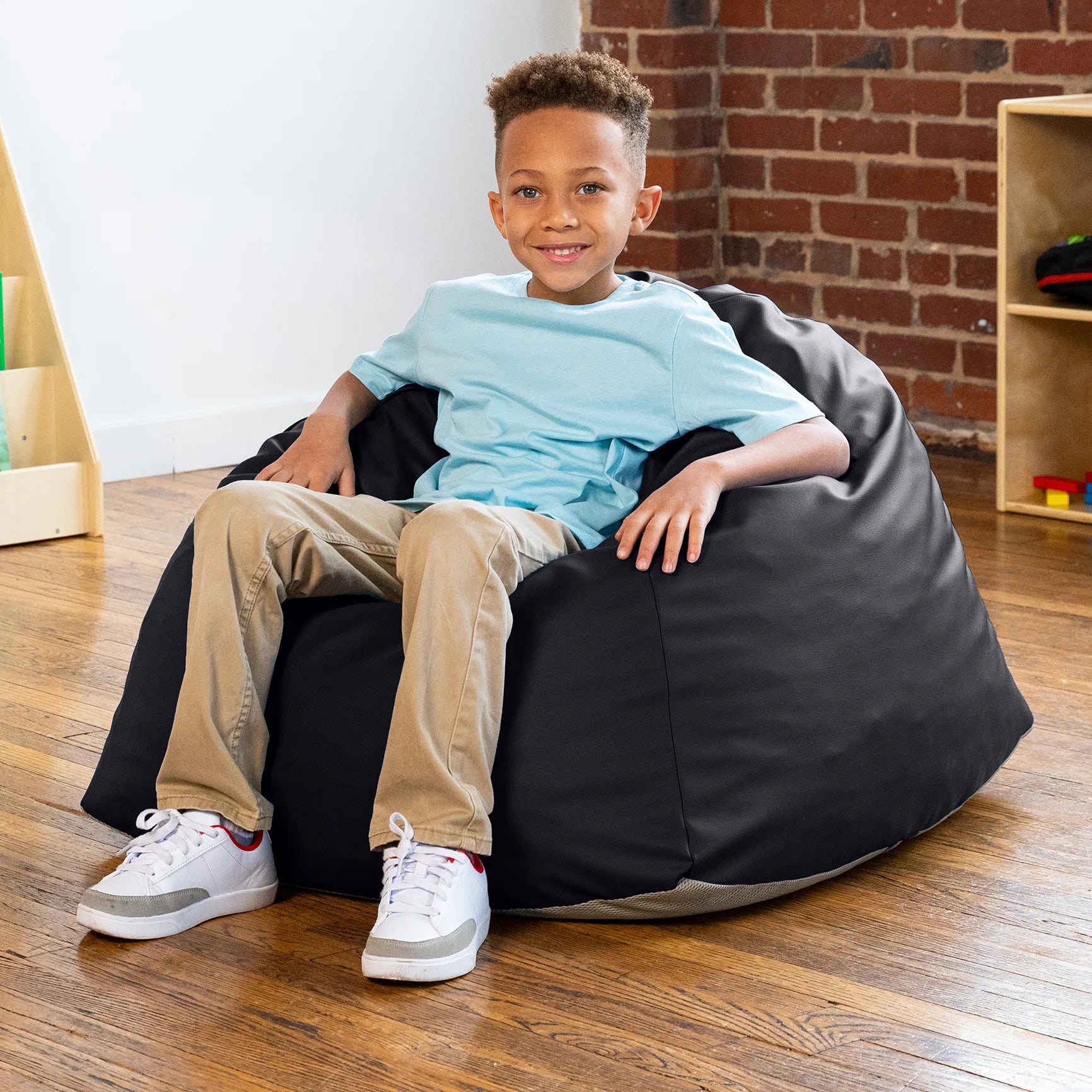
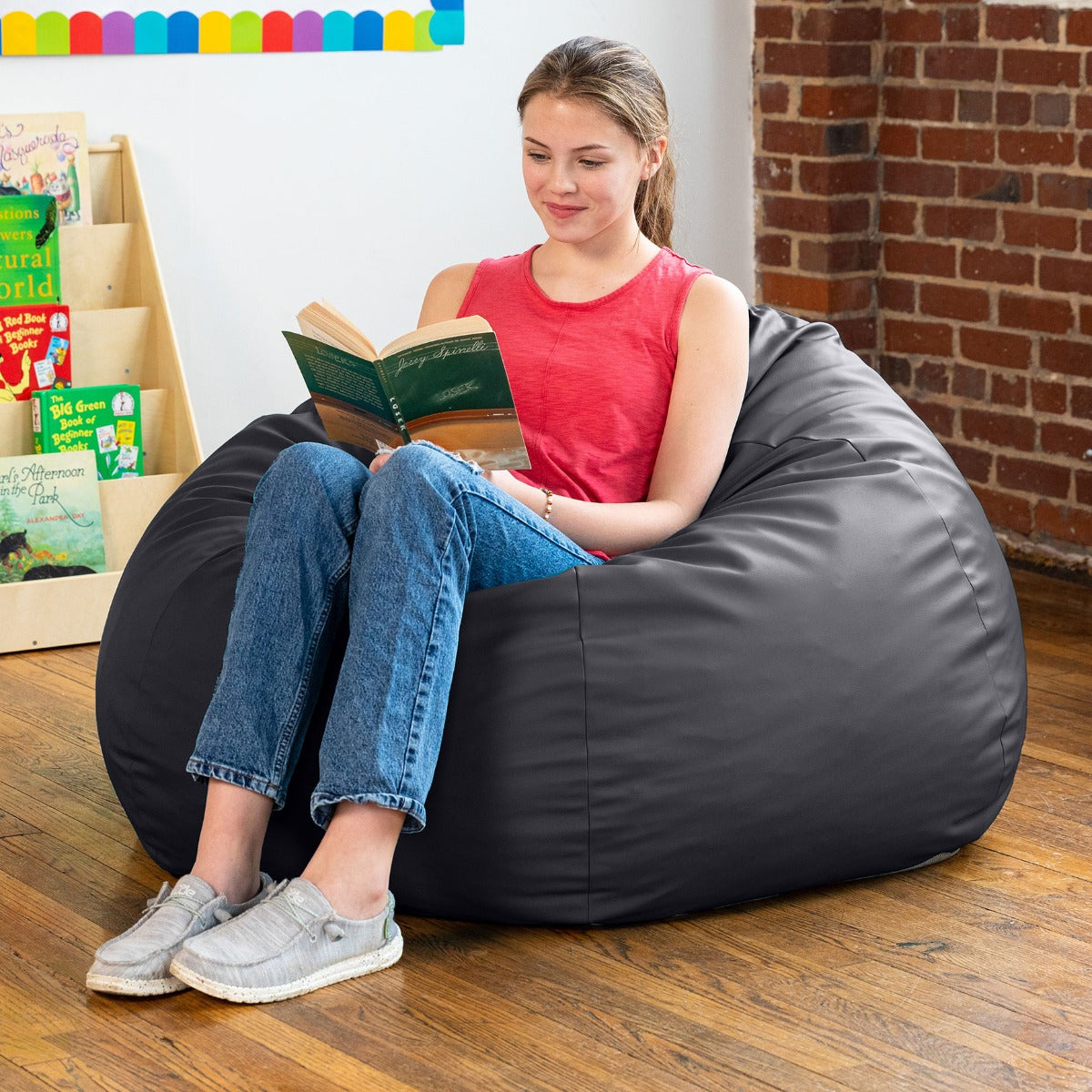


Gumdrop Bean Bag
Sensory Tools and Products That Help Kids With Cerebral Palsy
Using sensory tools and sensory integration therapy can greatly benefit kids with CP. You can work with your child’s physical therapist, occupational therapist or other healthcare provider to pinpoint what types of sensory tools will provide the best support for your child’s needs.
Depending on what areas your child struggles in, there are many sensory-friendly products that our therapists recommend. Here are some of the common focus areas and the tools to help:
Increase Focus
Depending on your child’s preferences, you can work on increasing their focus in different ways. Fine motor building tools encourage kids to work at a task for longer periods of time. Try out the Weave-It Fidget Ball and our range of Discovery Putties® for open-ended play. The Pointer Finger Isolator is also a great tool to promote more precise use of the fingers.
Another way to help your child concentrate more is to ensure they have the right amount of calming sensory input. Gentle back-and-forth swinging, weighted lap pads and small fidget tools are effective ways to recenter your child’s focus.
Improve Regulation
Achieving sensory equilibrium is integral to true regulation. It may take some experimenting to discover what forms of sensory input your child needs, and when, in order to help them self-regulate their system. We have a wide range of chewies to satisfy various chew strengths for oral motor stimulation.
Proprioceptive input, which is commonly known as the universally calming sense, also plays a large role in sensory regulation. Deep pressure input from rollers, weighted input from a variety of weighted toys and resistance from tools like the body socks are all highly recommended ways to offer kids fun forms of sensory stimulation to calm their bodies.


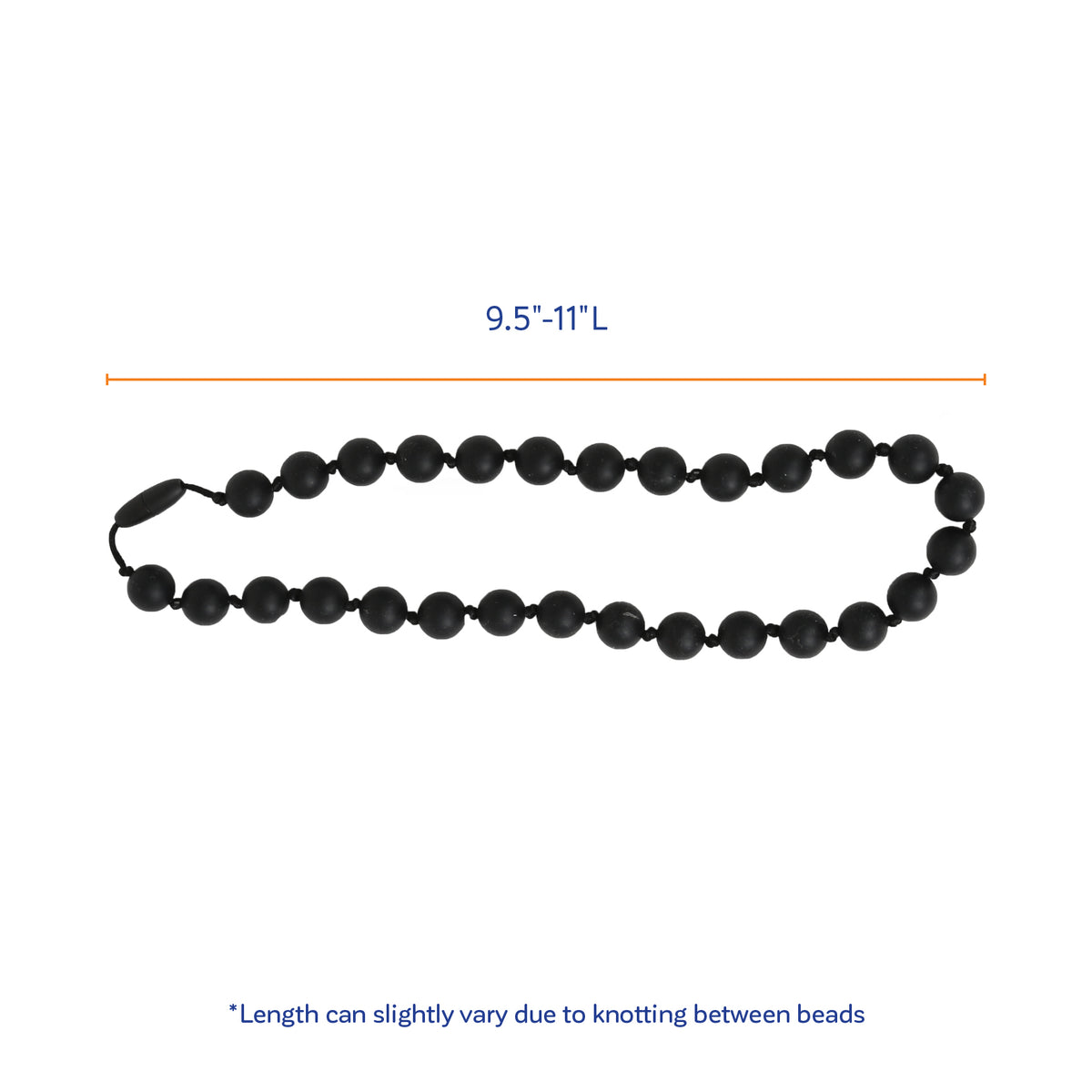
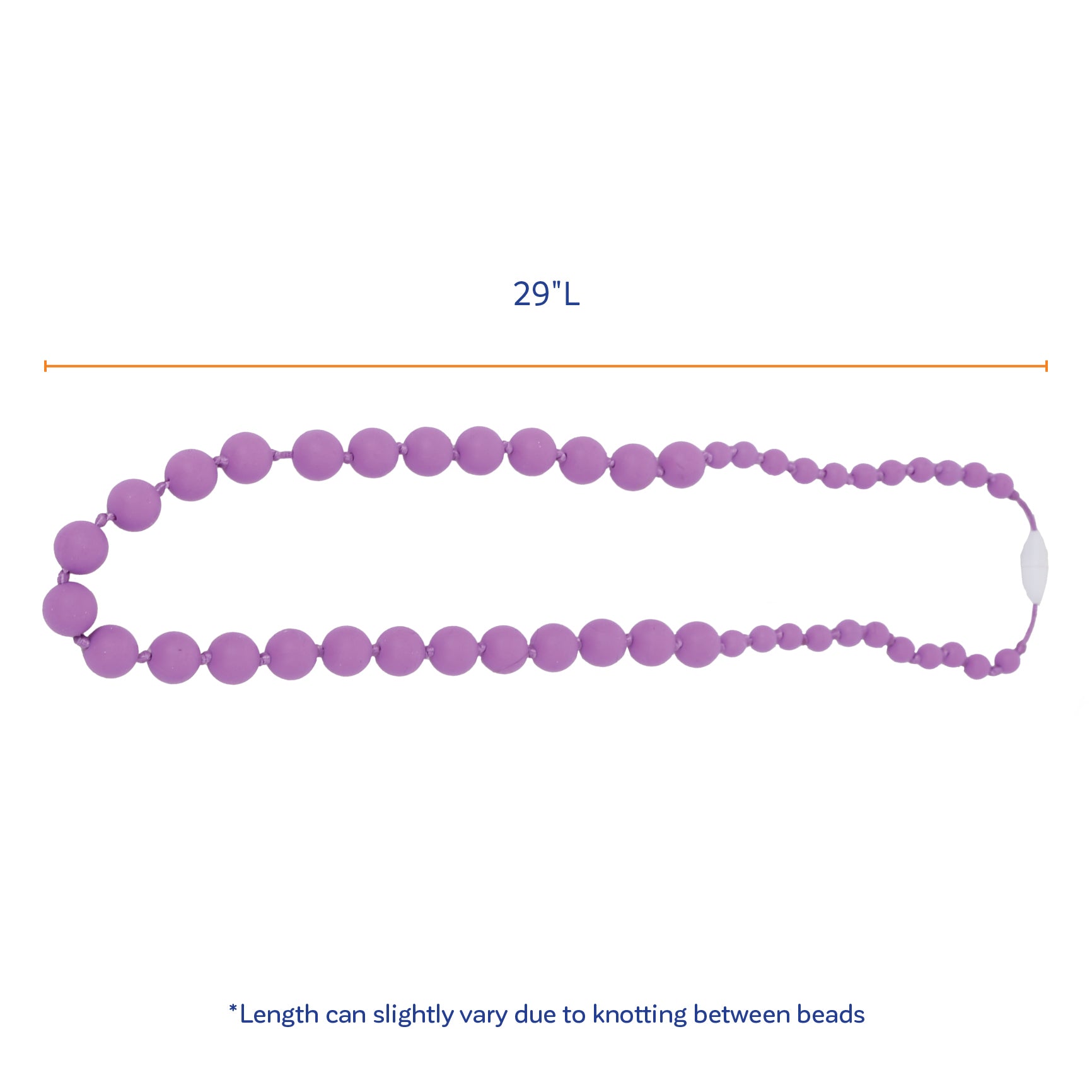
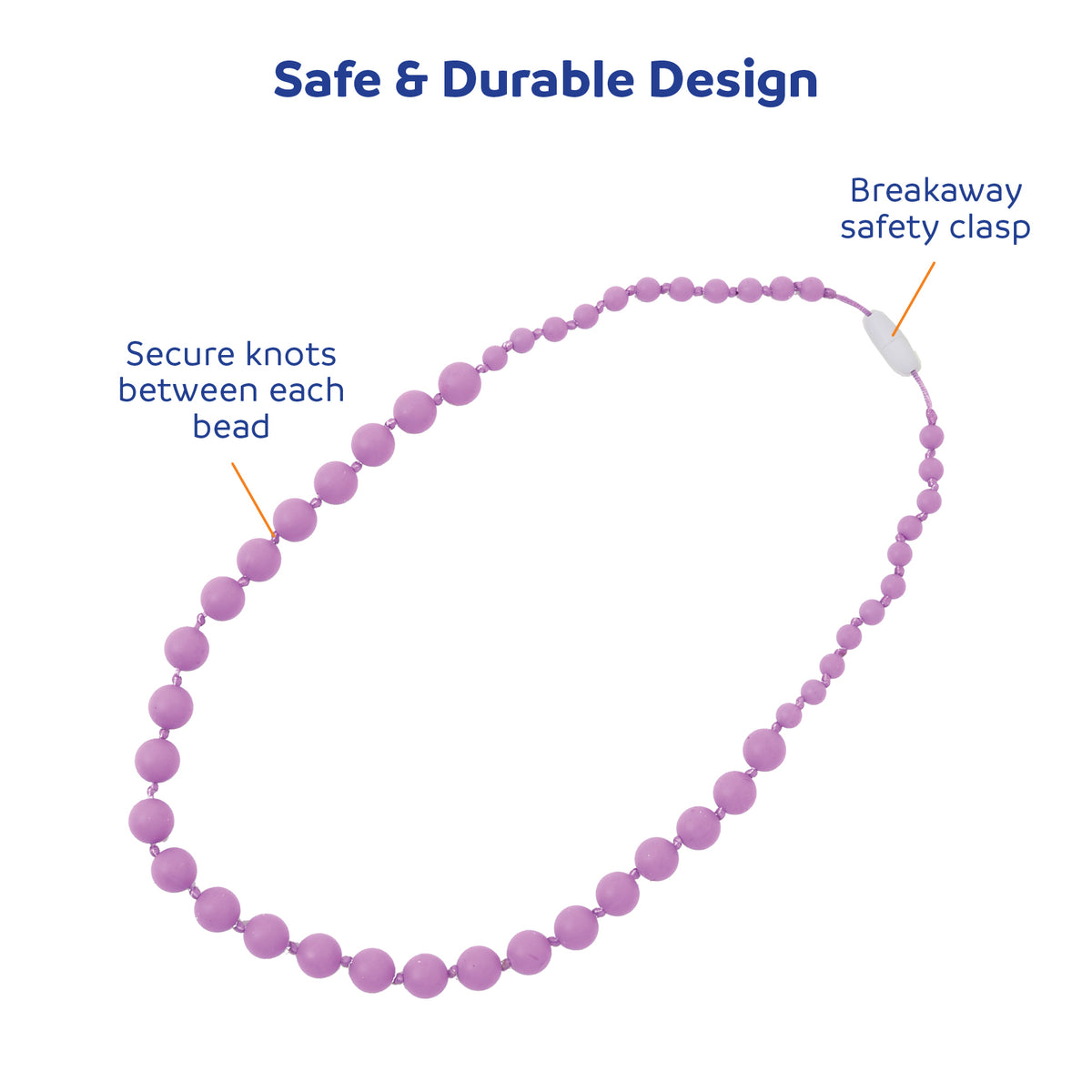




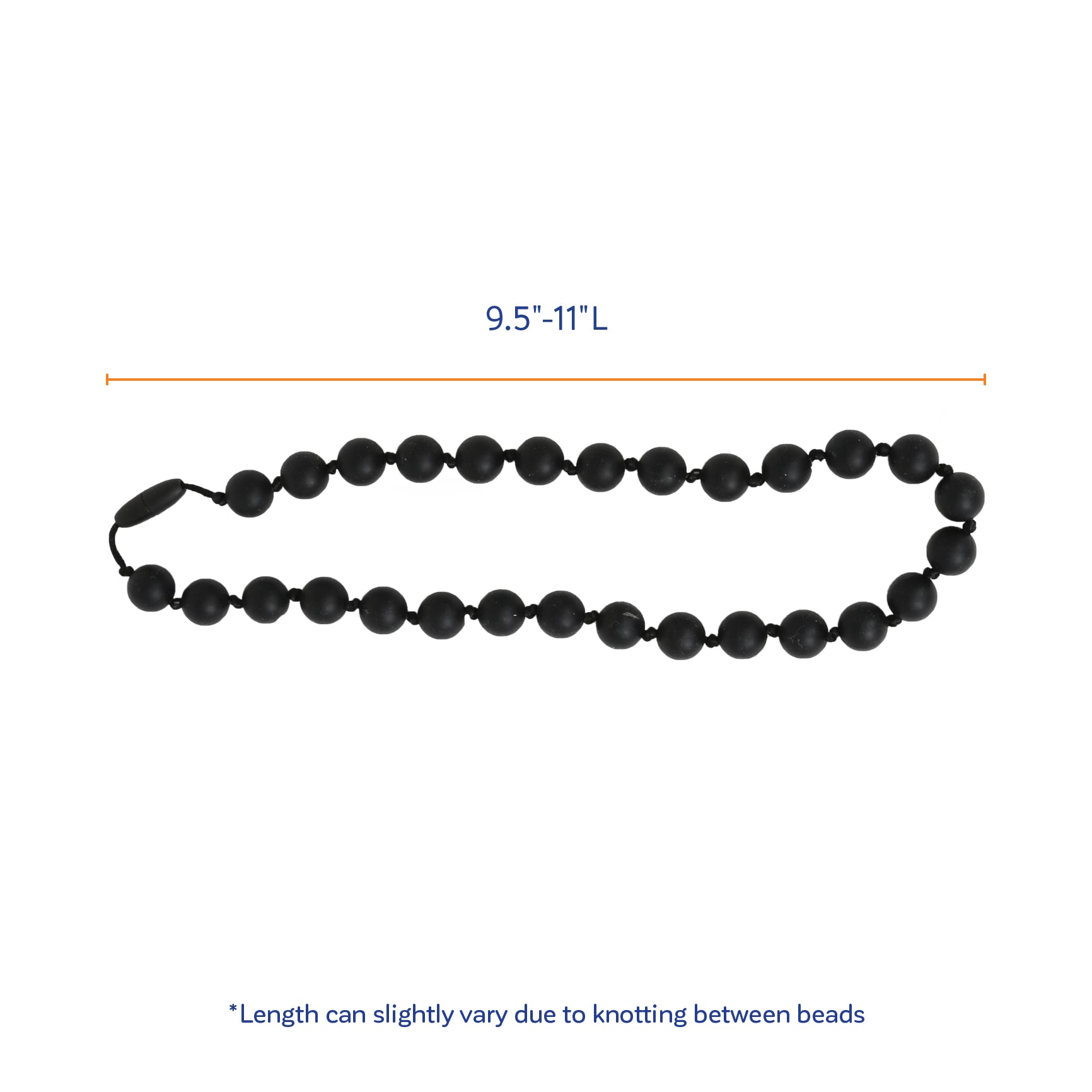
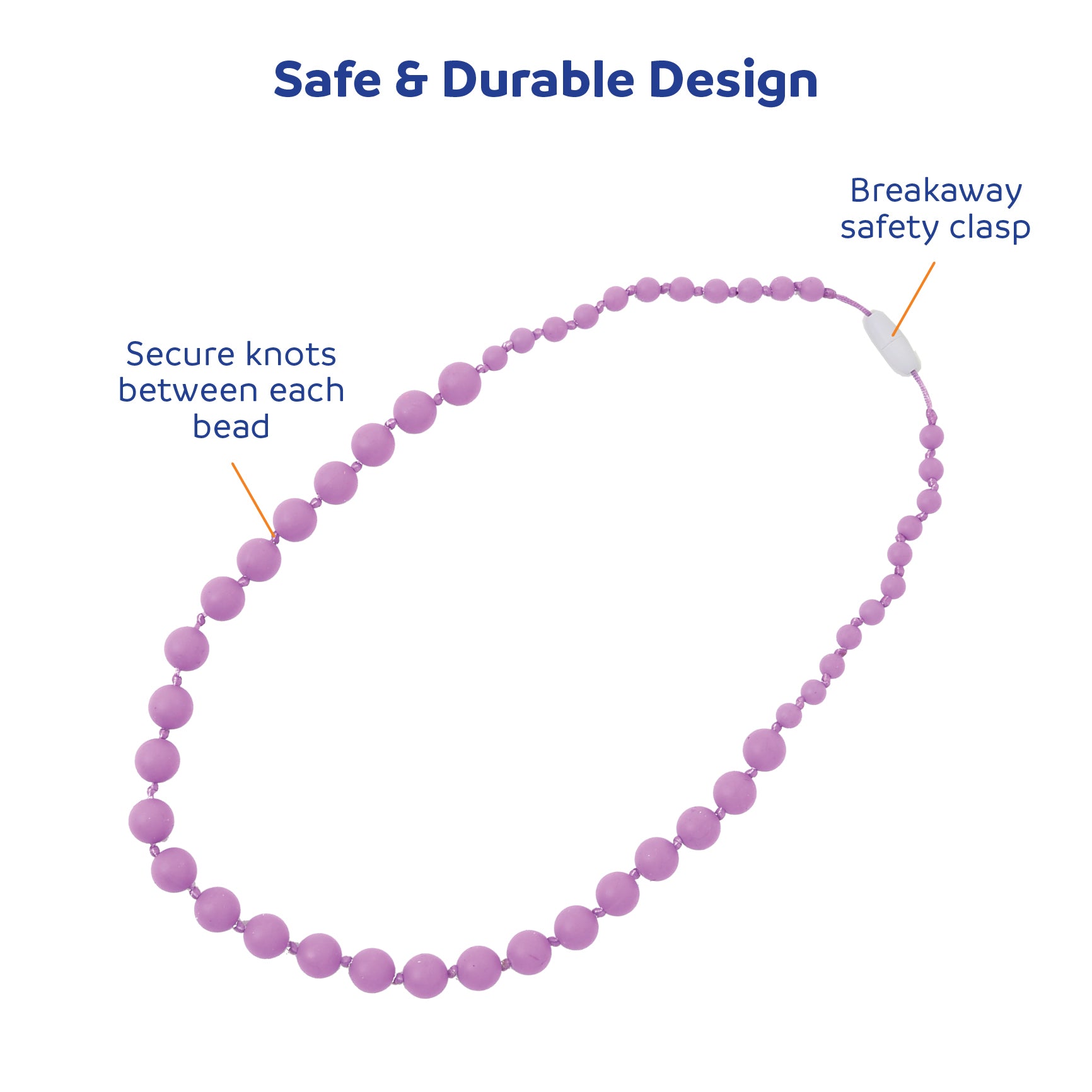
Chewelry Necklaces


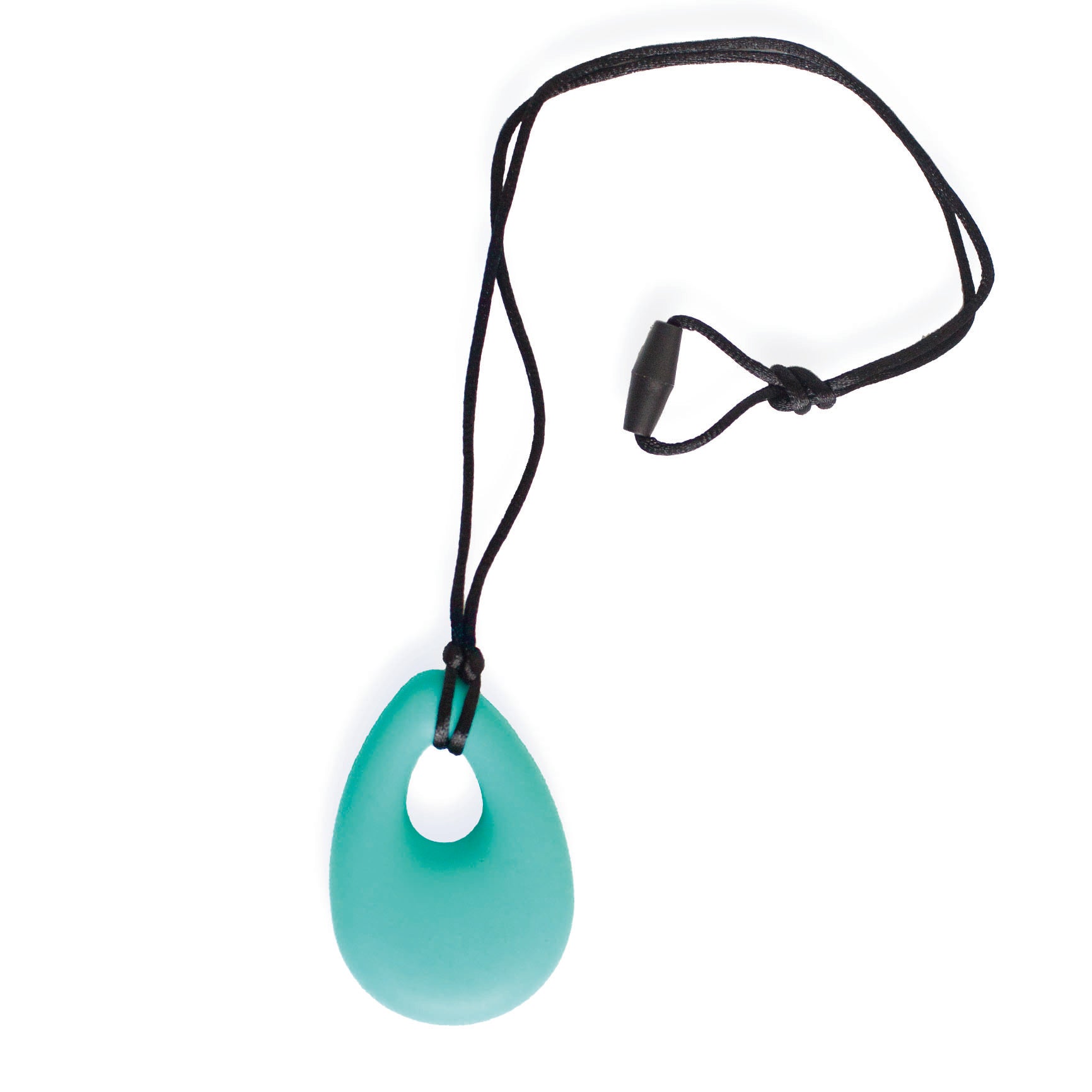


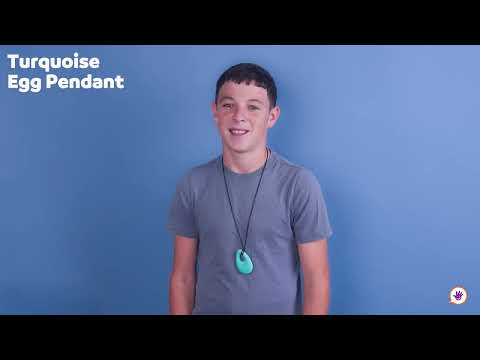

Turquoise Egg Pendant
Strengthen Muscles
Many of those with cerebral palsy have difficulty with coordination and movement. Target muscle strengthening with tools that are good for heavy work and balance activities, like jumping on the Bounce Board or walking across the Balance Stepping Stones. Provide postural support and core exercise with flexible seating options such as the Chair Ball and SensaSoft™ Adjustable Floor Chair.

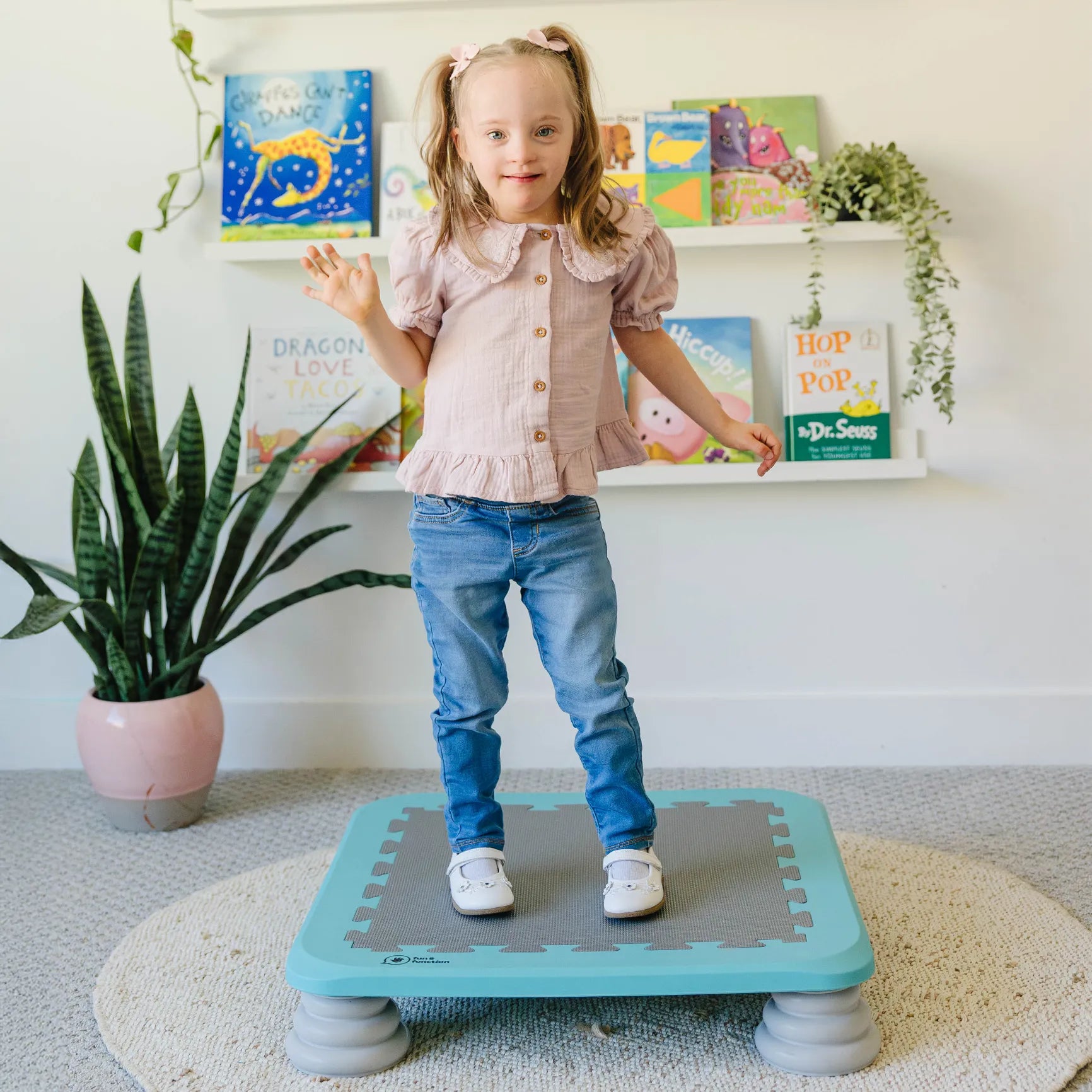
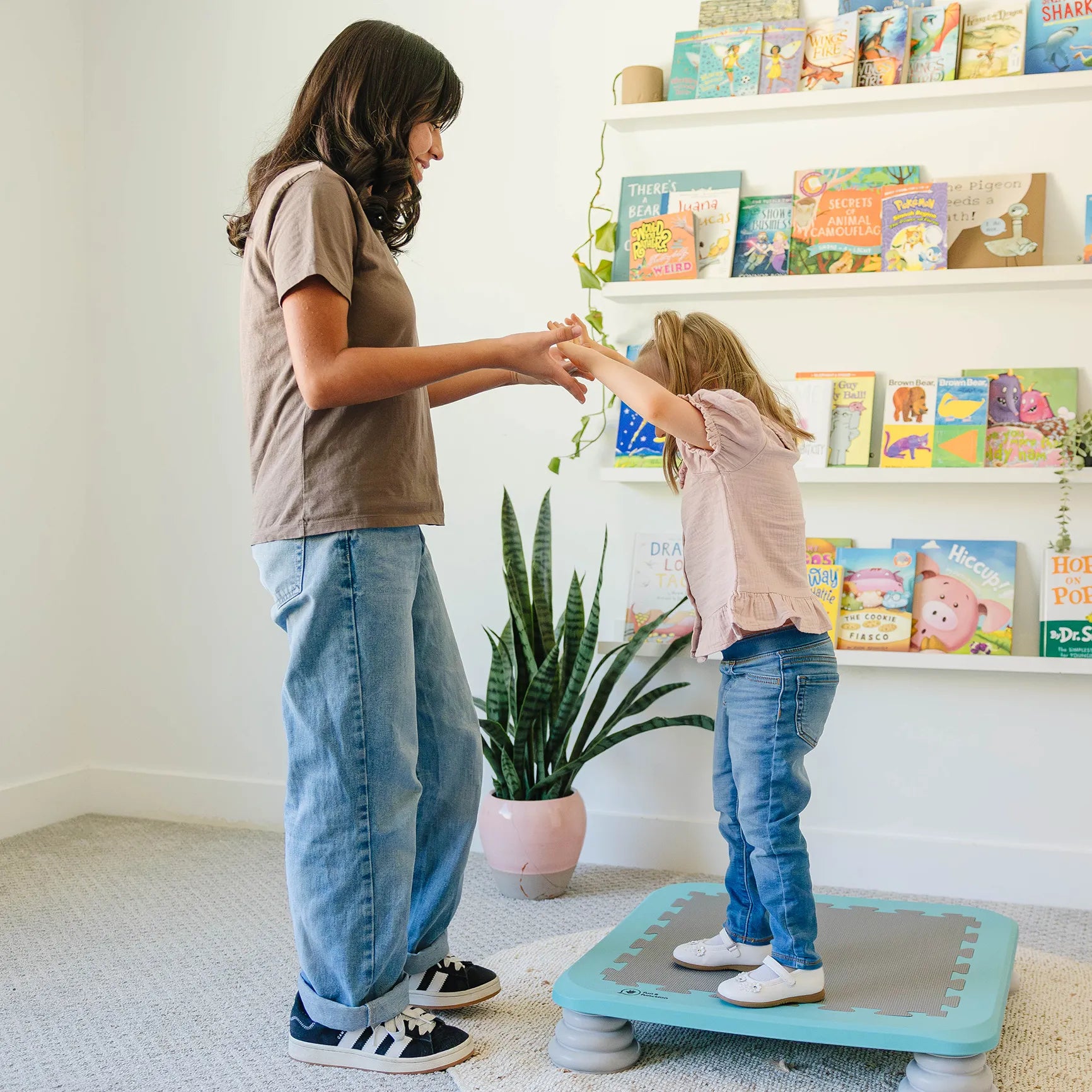
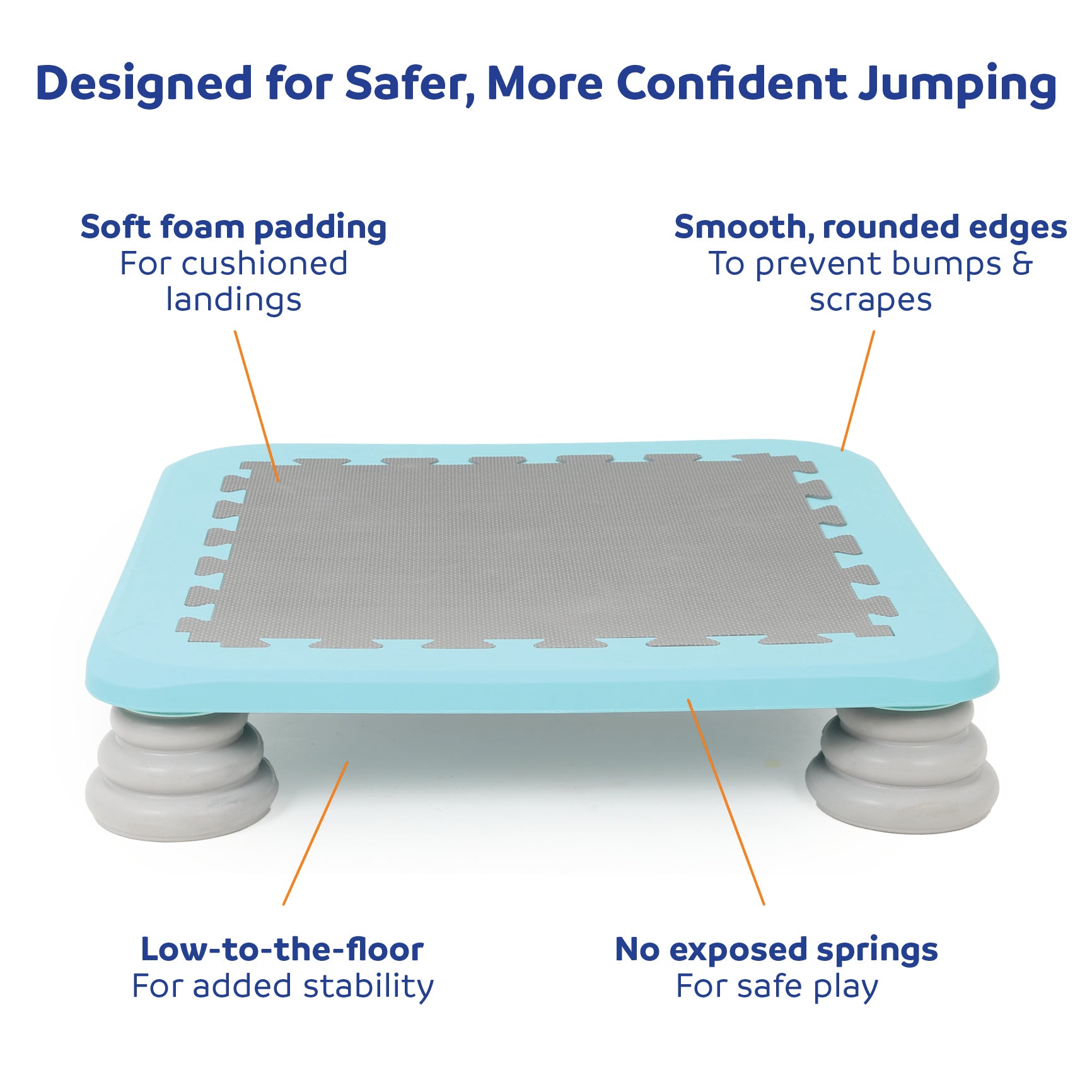


Bounce Board
Boost Learning
The motor implications of CP might make academics challenging for kids with cerebral palsy. There are some tools that can help with these challenges. Train eye tracking and hand-eye coordination using mazes like our Spiral Gel Maze or Sensory Gel Maze. Increase reading focus with reading focus cards. Slant boards help position children’s papers for better posture while working.


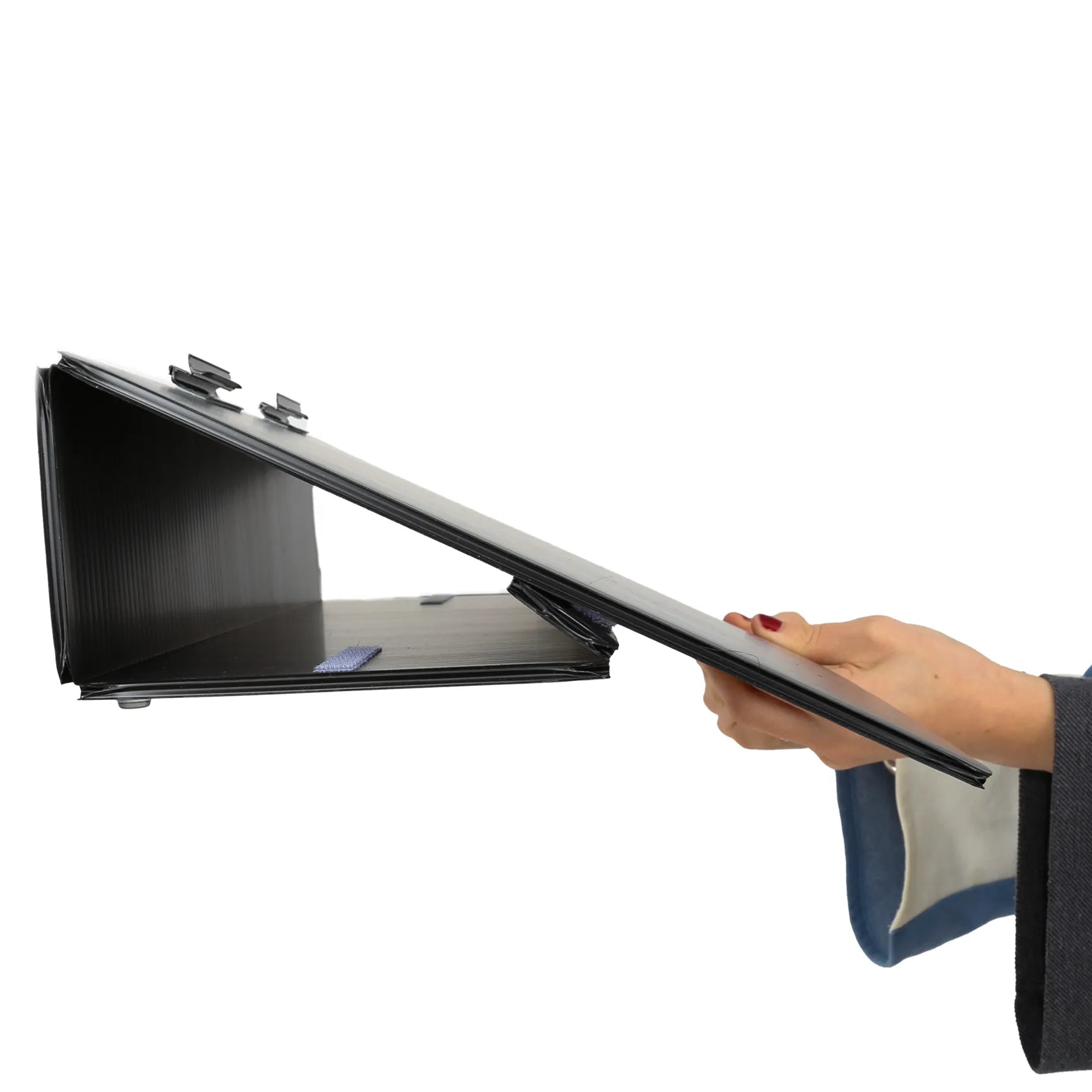
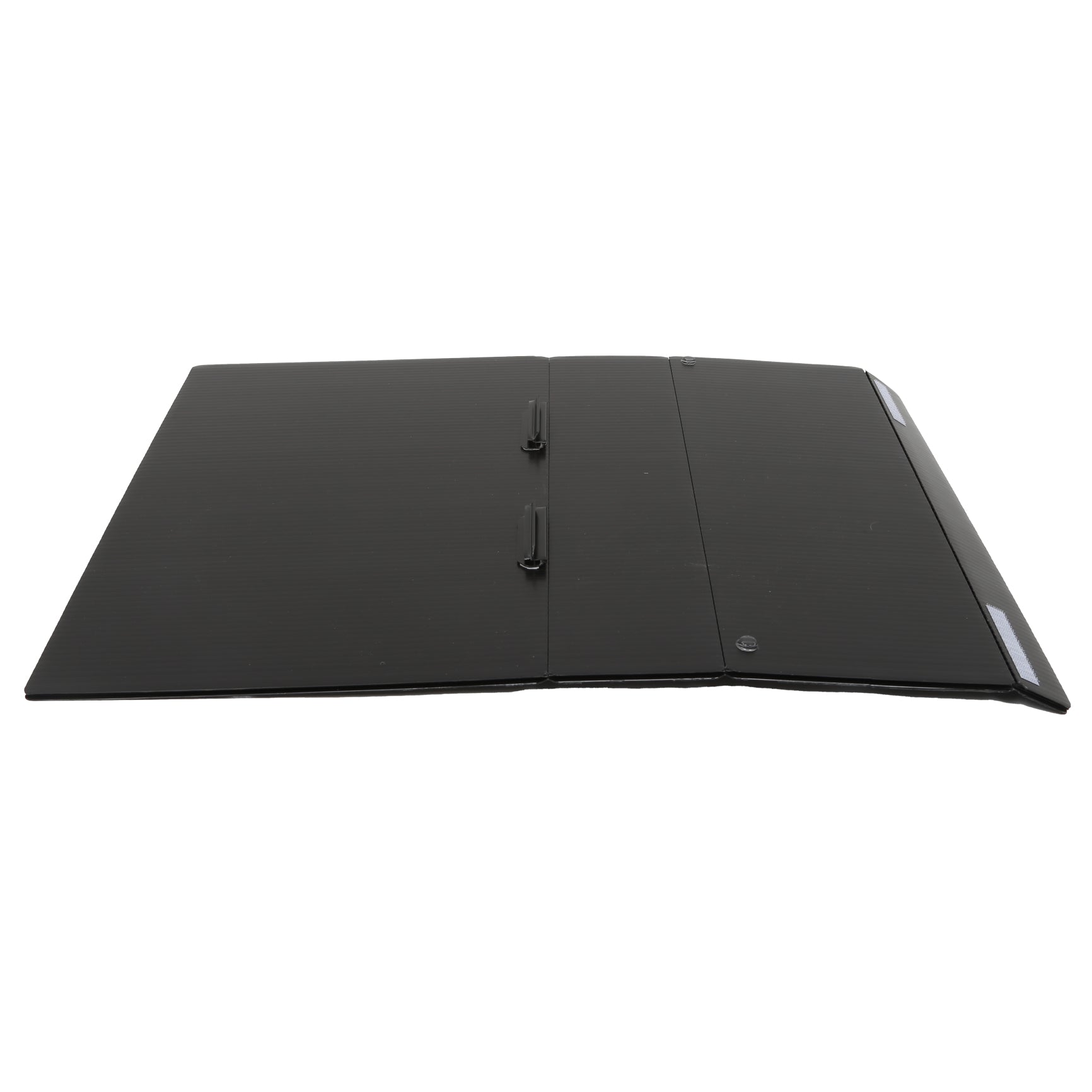
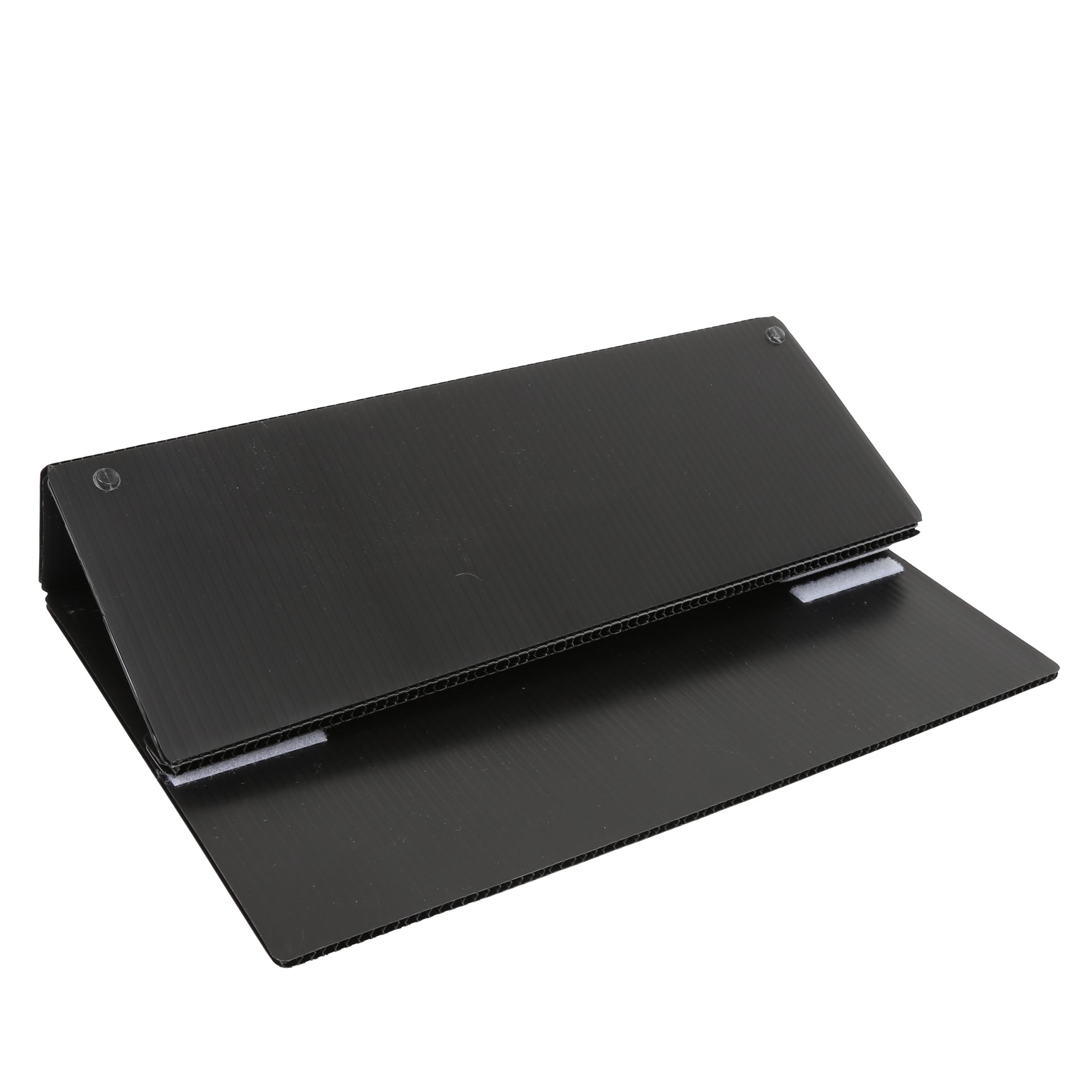


Slant Boards
Life With Cerebral Palsy
Cerebral palsy brings unique challenges, but it also offers opportunities to celebrate resilience, creativity and growth. With the right mix of therapies, adaptive tools, family support and encouragement, children with CP can develop independence, form meaningful friendships, and reach their goals at home, school and beyond.
Explore our full range of cerebral palsy-friendly tools to find the right ones for your child
FAQ's
Can cerebral palsy be cured?
Cerebral palsy is a lifelong condition because it stems from differences in early brain development or injury. While there is no cure, therapies, surgeries, medications and adaptive products can significantly improve mobility, communication and independence. With early and consistent support, children often make significant progress in skills and confidence.
Does cerebral palsy get worse over time?
No, cerebral palsy is not a progressive disorder, meaning that it will not worsen with time. However, it is important to keep in mind that related issues, such as muscle tightness or fatigue, may appear with age if not properly managed.
How long do people with cerebral palsy live?
Most children with cerebral palsy live full lifespans, especially with proper healthcare and support. The severity of CP and any co-occurring health challenges, like seizures or respiratory issues, can play a role, but many individuals go on to live active, independent adult lives.
What does mild cerebral palsy look like?
A mild case of CP may be harder to notice. Children might walk with a slightly awkward gait, have subtle balance challenges or struggle more with fine motor tasks.
Are children with cerebral palsy intelligent?
Children with CP often have typical or above-average intelligence, although motor and/or speech challenges can sometimes make it difficult to show what they know. For example, a child may understand a lesson but struggle to write answers or speak clearly. With communication aids such as assistive technology, children’s abilities can shine.
Can people with cerebral palsy live a normal life?
Yes! Medical care, therapies and adaptive tools enable many people with CP to attend school, form relationships, pursue careers and live independently. “Normal” life may look different for each person, but with the right support they will be set up to achieve their personal goals.



Leave a comment