


Learning Styles Explained: Types, Myths and How to Support Every Learner
5 min read

You may have heard the term ‘learning styles’ used to describe how children learn and process information. Your child might have been labeled as a ‘visual learner’ or a ‘hands-on learner’. Many parents and educators find it helpful to identify a child’s learning style to better understand how they engage with information; however, others question the categorization’s value and effectiveness. Rather than take an all-or-nothing approach, experts recommend using learning styles as part of a flexible framework for learning.
It’s important to keep in mind that learning styles aren’t fixed traits. A child may prefer to learn a certain way, but can still benefit from a variety of learning approaches. In the following article, we’ll explain what learning styles are, the most prevalent learning styles, common myths on the subject and practical ways to support children with different learning styles.
What Are Learning Styles?
A learning style describes the easiest, most natural way a person learns new concepts or ideas. Kids often have preferences for how they like to learn. Some process visual information best, while others internalize concepts through hands-on activities. Some children focus best when listening to someone speaking, or by talking out loud themselves.
How Many Learning Styles Are There?
Various educational theories have different lists of learning styles. Depending on which theory you look at, you might see a breakdown of three, four, seven or even eight learning styles. We’ll cover the styles that show up most commonly.
Types of Learning Styles
The four most prevalent styles of learning include visual, auditory, reading/writing and kinesthetic learners, frequently known by the acronym ‘VARK’.
1. Visual Learners
Kids who process information best through meaningful images like charts, symbols and diagrams are visual learners. They typically remember what a teacher drew on the board to illustrate a point and do well with checklists and graphic instructions. You can support a visual learner through graphic organizers like mind maps or flow charts.

2. Auditory Learners
Those with an auditory learning style perform best when they hear information spoken out loud and have opportunities to verbally articulate ideas themselves. These children often learn well through classroom discussions. Songs and rhymes are a great tool for them to remember information.

3. Reading/Writing Learners
Text-based information is ideal for reading/writing learners. They absorb concepts best when they read books, take notes and do worksheets. Encourage these children to write checklists, keep a journal, read presentations and books.

4. Kinesthetic Learners
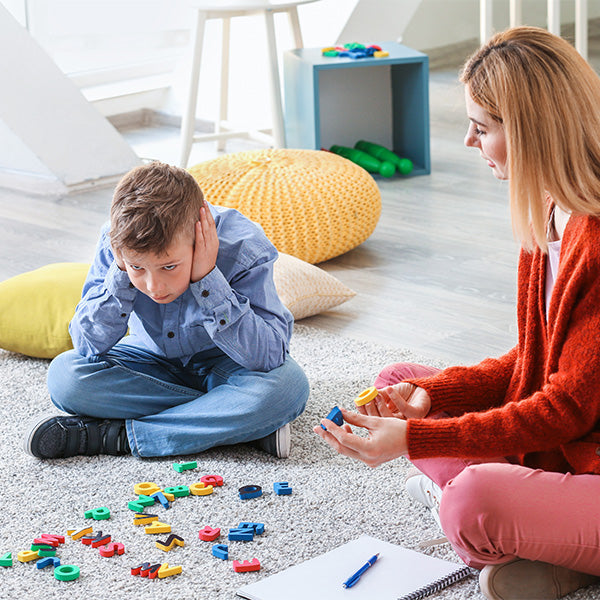
Kids who fall into this category focus best when learning incorporates hands-on activities, movement and role play. They might fidget while they work, enjoy live demonstrations and act things out. Add movement breaks and active seating options to learning environments to foster these children’s concentration.

Other learning styles you might come across include:
- Social learners—work best together with other people
- Solitary learners—prefer to learn by themselves
- Logical learners—enjoy learning through problem-solving and patterns
- Naturalistic learners—connect to learning through nature
Are Learning Styles Real?
Even if a child has a preferred learning style, they often benefit from a variety of approaches. It is important to use a combination of different learning methods for kids, to expose them to more methods.
Why Learning Styles Are Important
Using a child’s preferred learning style can have a huge impact on their development. Engaging them in lessons in a way they enjoy increases interest and motivation. By appealing to their learning strengths, you also help set kids up for success and boost their self-confidence.
How To Identify Learning Styles in Kids
There’s no official test to see which learning style works best for a person. Instead, try to take notice of what helps your child focus and process new concepts. Do they learn best when they hear, see, write or actively interact with information? This will help determine their preferred learning style. Sometimes the ideal learning style for a child depends on the subject. Don’t be afraid to experiment to find what works best.

How To Support Different Learning Styles
Incorporating various teaching methods to target different learning styles helps empower kids to use their strengths while also building new skills.
Supporting Different Learning Styles in the Classroom
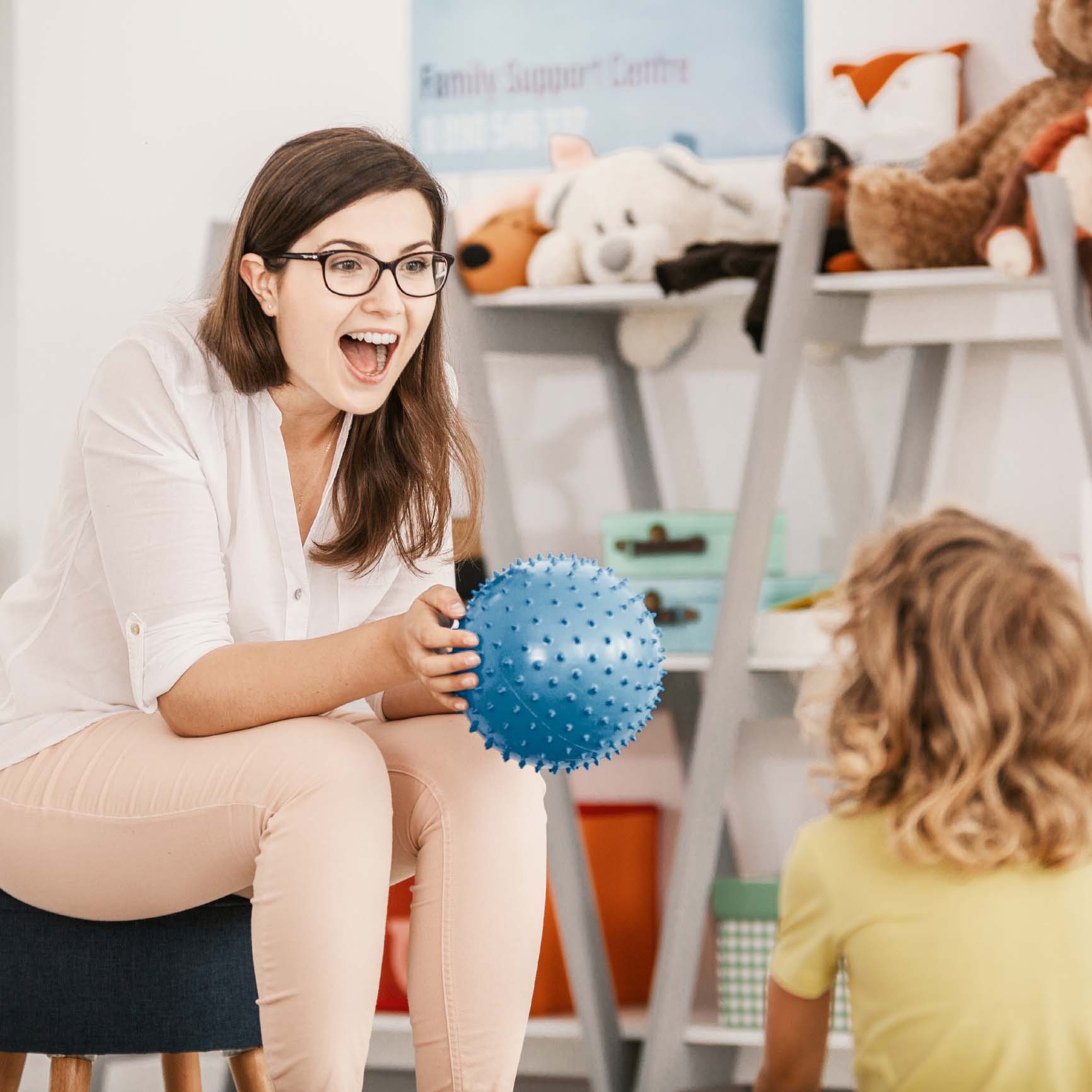
Teachers can use a mix of read-alouds, interactive tasks, visual aids and movement-based learning to support a range of learning styles. When a lesson incorporates different learning styles, more students are likely to understand and retain the information.
Supporting Different Learning Styles at Home
To make learning at home both simple and doable, use strategies that target your child’s specific learning preferences. Collaborate with their teachers and therapists if you need help identifying what will benefit your child the most.
Sensory Processing and Learning Preferences
If a child’s sensory needs are not met, then it will be difficult for them to learn, regardless of whether the lesson coincides with their learning preferences. Improving their sensory comfort can help kids regulate and learn more easily. For example, a child who’s always on the move can use flexible seating during class or homework time to provide an outlet for motion without abandoning the task at hand. A child who craves tactile input can keep their hands busy with fidgets to increase concentration; one who gets anxious or stressed can benefit from the steady, calming input provided by sensory clothing options or feel more grounded with a weighted lap pad.


Myths About Learning Styles
If a child’s sensory needs are not met, then it will be difficult for them to learn, regardless of whether the lesson coincides with their learning preferences. Improving their sensory comfort can help kids regulate and learn more easily. For example, a child who’s always on the move can use flexible seating during class or homework time to provide an outlet for motion without abandoning the task at hand. A child who craves tactile input can keep their hands busy with fidgets to increase concentration; one who gets anxious or stressed can benefit from the steady, calming input provided by sensory clothing options or feel more grounded with a weighted lap pad.
Myth #1: “Learning styles are a myth so let’s ignore them.”
Instead of treating a child’s preferred learning style as a fixed label, you can build on it to encourage greater engagement and interest in learning.
Myth #2: “My child can only learn one specific way and that won’t change.”
A child’s learning style can change based on subject, mood, environment and age.
Myth #3: “Match your teaching to one style and learning is guaranteed.”
Children typically learn best with a variety of learning styles, exposing them to many types of input and providing opportunities to develop different strengths.To sum up, learning styles don’t define how a child needs to learn. Rather, they offer insight into the way in which they are most comfortable processing information. With this understanding, parents and educators can build on kids’ strengths while encouraging the development of new skills for a well-rounded learning experience.
FAQs
What are learning styles?
‘Learning styles’ describe how someone prefers to learn and absorb information. Examples of different learning styles include seeing the information, hearing it, reading/writing it or engaging with it hands-on.
How many learning styles are there?
You may come across lists of three, four, seven or eight depending on which educational theory is being referenced.
What are the three main learning styles?
The most common learning styles are visual, auditory and kinesthetic.
Are learning styles real?
Learning styles are a real factor, but research shows that using only one style generally doesn’t improve outcomes. A varied approach is believed to be more effective in promoting learning and growth.
Why are learning styles important?
When utilized effectively, learning styles can encourage a child’s motivation, confidence and engagement in their learning.
About the author:
Adina Steinberg draws on decades of pediatric OT experience to guide product production and bring each item to life in our catalog. Her keen understanding of children's sensory needs, along with her passion for making a difference in the lives of children, enable her to provide valuable input that shapes our product development.


Leave a comment