


Ways to Prevent Bullying in the Classroom: Strategies for Teachers
7 min read

School bullying can affect students' academic success, sense of belonging and emotional well-being. Understanding ways to prevent bullying in the classroom helps educators create safer, more inclusive learning environments where every child can thrive.
What Exactly Is Bullying?
Bullying is repeated behavior that causes physical, emotional, or social harm and involves a real or perceived power imbalance. It can occur in classrooms, hallways, playgrounds, school buses and online spaces. Understanding what school bullying is helps educators recognize harmful behaviors early and intervene effectively.

Why School Bullying Prevention Matters
Studies show that approximately 19% of students ages 12–18 reported being bullied during the 2021–2022 school year. Bullying can contribute to anxiety, school avoidance, declining academic performance and difficulty forming friendships. Because bullying often includes social exclusion and online harassment—not just physical aggression—schools benefit from proactive prevention strategies that address both visible and hidden behaviors.
Types of Bullying
- Physical bullying: Hitting, kicking, pushing, damaging belongings or physical intimidation
- Verbal bullying: Name-calling, teasing, insults, threats or hurtful comments
- Social bullying: Exclusion, rumor-spreading, public embarrassment or damaging relationships
- Cyberbullying: Harassment through text messages, social media, gaming platforms, email or other digital channels
Create a Classroom Culture of Belonging
One of the most effective ways to prevent school bullying is by creating a classroom culture built on empathy, respect and inclusion. Class meetings, collaborative activities, and social-emotional learning (SEL) help students develop communication skills, perspective-taking and emotional awareness.When students feel connected to their peers and understand how their actions affect others, bullying behaviors are less likely to occur.

Support Emotional Regulation with Sensory Tools and Calming Spaces
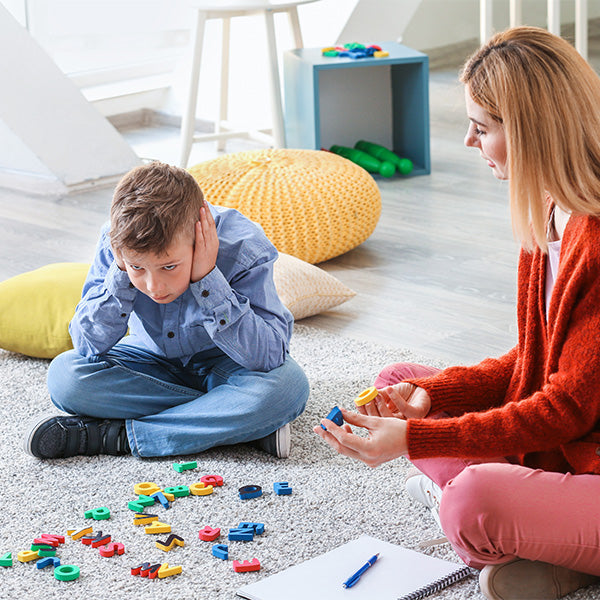
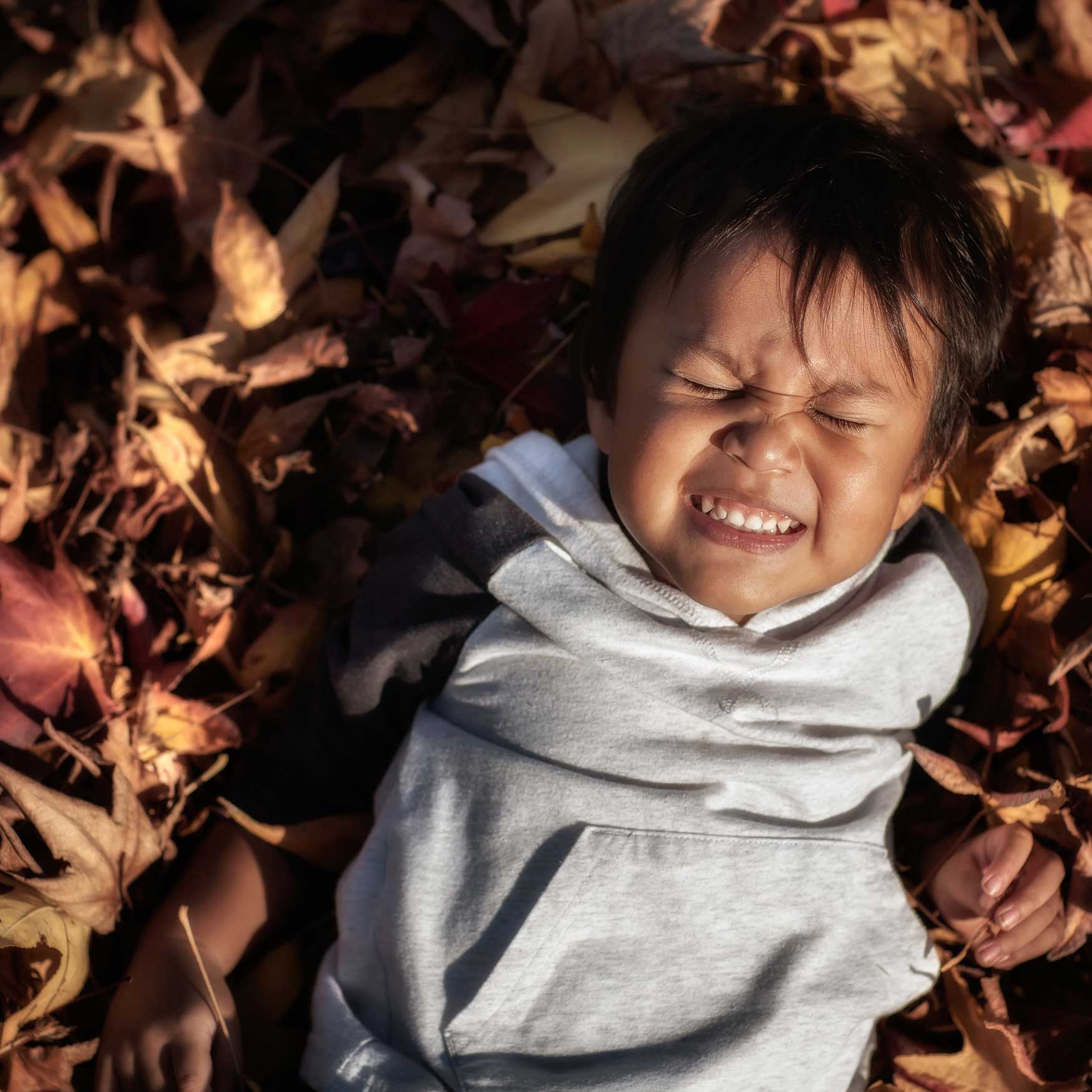
Strong school bullying prevention efforts focus on helping students manage emotions, build coping skills, and navigate social challenges. When students become overwhelmed, they may struggle with impulse control, frustration tolerance and peer interactions.
Many teachers incorporate calming corners, movement breaks, flexible seating and sensory supports to help students regulate before challenges escalate. While these tools are not a direct bullying prevention strategy, they can reduce stress and create a classroom environment that supports positive social interactions.


Calming Tools That Support Self-Regulation
Students who become frustrated, impulsive, or reactive may benefit from sensory supports that provide movement, deep pressure, or safe outlets for excess energy. Tools such as the Busy Fingers™ Fidget Lap Pad, Weighted Sensory Knot Ball, Putty Elements, chewable sensory supports, bounce boards, and movement activities can help students redirect energy in productive ways.
Students who are anxious, worried, or overwhelmed by difficult social situations may benefit from calming supports such as the Weighted Sequin Fidget, weighted lap pads, Noise Reduction Headphones, bean bag seating and visual calming tools. These supports can help students feel more grounded and ready to re-engage with learning.
Schools looking for sensory room ideas can explore Fun & Function's School Sensory Rooms, Sensory Classroom Solutions and Sensory Room Ideas Gallery for inspiration.
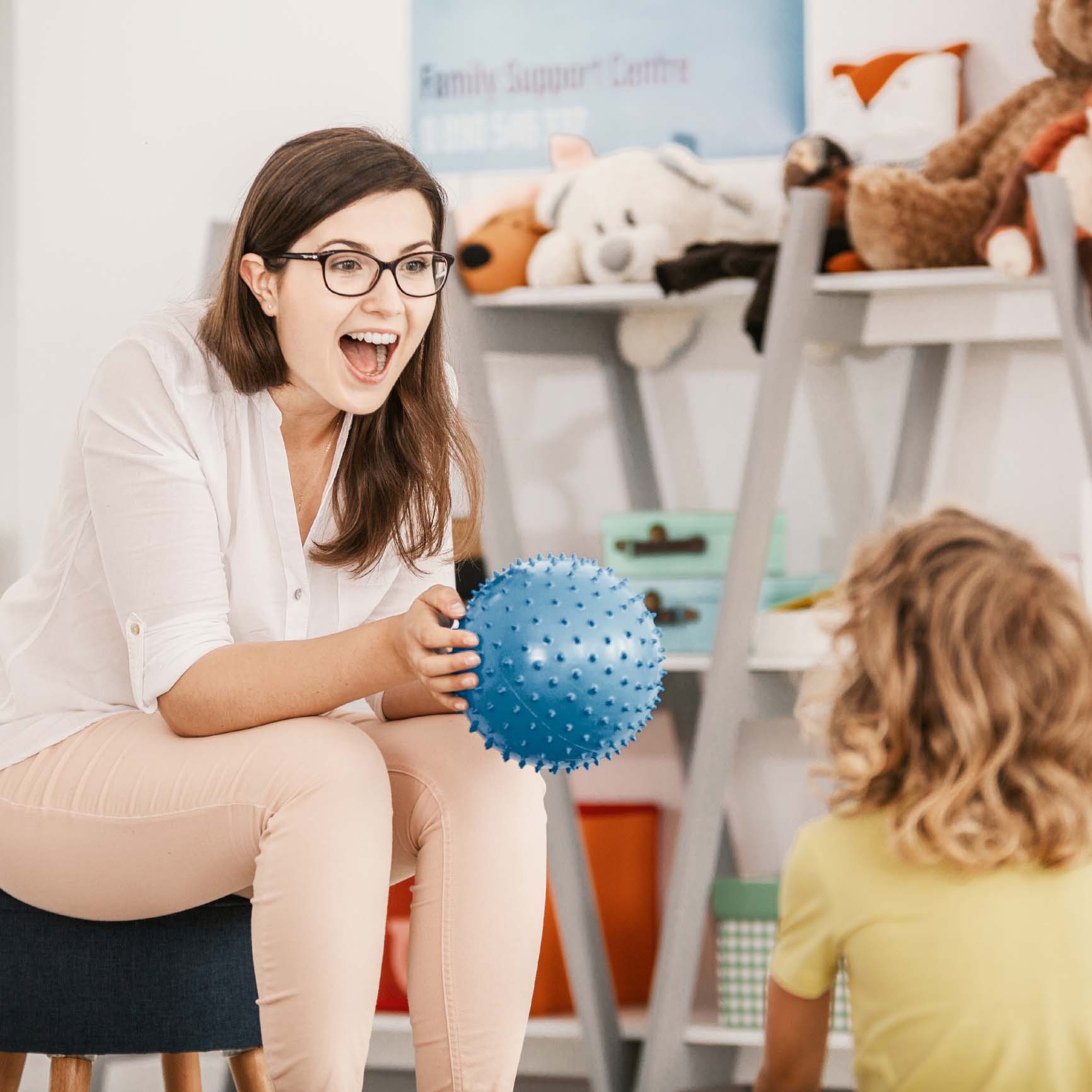
Sensory tools are most effective when paired with explicit instruction that helps students recognize emotions, choose coping strategies and seek support when needed.


When Students are Afraid to Speak Up
Many students hesitate to report bullying because they fear embarrassment or retaliation. Anonymous surveys, reflection forms, question boxes and teacher check-ins can provide safe opportunities for students to share concerns.Teachers should also reinforce that reporting bullying is not tattling—it's helping keep others safe. When students know adults will listen and respond appropriately, they are more likely to seek help when they need it.

10 Ways to Prevent Bullying in the Classroom
- Create clear classroom expectations
- Foster a culture of kindness and belonging
- Teach empathy and emotional awareness
- Use social-emotional learning activities regularly
- Encourage students to report concerns safely
- Conduct regular classroom check-ins
- Incorporate restorative practices
- Provide sensory-friendly spaces and calming tools
- Partner with families on bullying prevention
- Address bullying behaviors consistently and early
Creating Safer Classrooms Begins with Small Steps
Preventing bullying requires consistent effort from educators, families and students. While there is no single solution, fostering inclusion, teaching social-emotional skills, supporting emotional regulation, creating a positive classroom culture, and encouraging open communication can make a meaningful difference. Together, these strategies help reduce bullying and create learning environments where every student feels safe, respected, and connected.

Frequently Asked Questions About Bullying Prevention
What is bullying in the classroom?
Bullying in the classroom is repeated behavior that intentionally harms, excludes, intimidates, or humiliates another student. It can be physical, verbal, social or digital.
What are the different types of bullying?
Physical, verbal, social and cyberbullying are the four most common types of bullying.
How can teachers prevent bullying in the classroom?
Teachers can prevent bullying through clear expectations, social-emotional learning, open communication and early intervention.
What are the warning signs that a student is being bullied?
Warning signs may include school avoidance, changes in mood, declining academic performance, social withdrawal, anxiety or unexplained physical complaints.
How can schools reduce bullying among students?
Schools can reduce bullying by implementing prevention programs, promoting inclusion, teaching empathy and creating clear reporting procedures.
How can students help stop bullying?
Students can help stop bullying by speaking up, reporting concerns to trusted adults, supporting peers who are being targeted and practicing kindness and inclusion.
What should a child do if they are being bullied at school?
Children should tell a trusted adult, avoid retaliation, and use available school support systems.
How can parents support bullying prevention efforts?
Parents can maintain open communication, teach empathy and respect, monitor online activity, and partner with educators to address concerns early.
What is cyberbullying and how can it be prevented?
Cyberbullying occurs online and can be reduced through digital citizenship education, monitoring and encouraging students to report harmful behavior.
How do sensory-friendly classrooms support positive student behavior?
Sensory-friendly classrooms provide tools and spaces to help regulate emotions, reduce stress, and improve focus. When better regulated, students are better at navigating social interactions and resolving conflicts.
How does emotional regulation support bullying prevention?
Students with strong emotional regulation skills are better able to manage frustration, navigate conflicts, and respond appropriately to social challenges. Supporting emotional regulation through coping strategies, sensory tools and adult guidance, can promote more positive peer interactions and reduce behavior problems.
Every Student Deserves to Feel Safe and Included
Small changes can make a big difference. Whether you're building a calming corner, expanding social-emotional learning opportunities or creating a sensory-friendly classroom, Fun & Function offers resources to help support student well-being every step of the way.
Check out our other Classroom Support Resources.
About the author:
Malkie Ward uses her clinical experience and creative insight to collaborate across teams in shaping smart sensory tools and creating powerful sensory rooms. With strong problem-solving skills and deep care for all children, Malkie develops high-quality products and serves as a trusted guide to teammates across product development.


Leave a comment