


School Safety Ideas That Help Students Feel Secure and Ready to Learn
5 min read

Discover practical school safety ideas that support emergency preparedness, student well-being, emotional regulation, communication and a safer school environment.
School safety requires more than locked doors and emergency procedures. While physical security is important, a truly safe school environment also includes clear routines, strong communication, emotional support and prevention strategies that help students feel secure throughout the day.
The following school safety ideas can help educators strengthen preparedness, improve student well-being and create a safer school environment.
Key School Safety Measures Every School Should Consider
Effective school safety begins with clear expectations and consistent procedures. While every school has unique requirements, several core strategies can help create a safer learning environment for students everywhere.
- Visitor Management: Use monitored entrances, sign-in procedures, visitor badges and clear check-in protocols to help control building access
- Regular Safety Drills: Consistent practice helps students and staff respond more confidently during emergencies
- Clear Communication Systems: Emergency alerts, intercom systems and family communication plans help ensure important information is shared quickly and accurately
- Student Reporting Procedures: Encourage students to speak up when they have concerns and provide safe, accessible ways to report issues
- Bullying Prevention: Clear expectations, social-emotional learning and trusted adult relationships can help create a more inclusive and supportive school environment
Together, these school safety measures create a foundation that supports both physical safety and student well-being.

Strengthening Emergency Preparedness
Every school should have a clear plan for responding to emergencies such as severe weather, medical incidents, fires, lockdowns, evacuations and other unexpected situations. These plans should be reviewed regularly and adjusted when necessary.
Students and staff should also participate in age-appropriate safety drills. Repeated practice helps build familiarity so students know where to go, whom to listen to, and what steps to follow during stressful situations.
Strong emergency preparedness also includes keeping families informed about school procedures, emergency notification systems, reunification plans and how updates will be shared during an emergency.

Supporting Student Well-Being and Everyday Safety
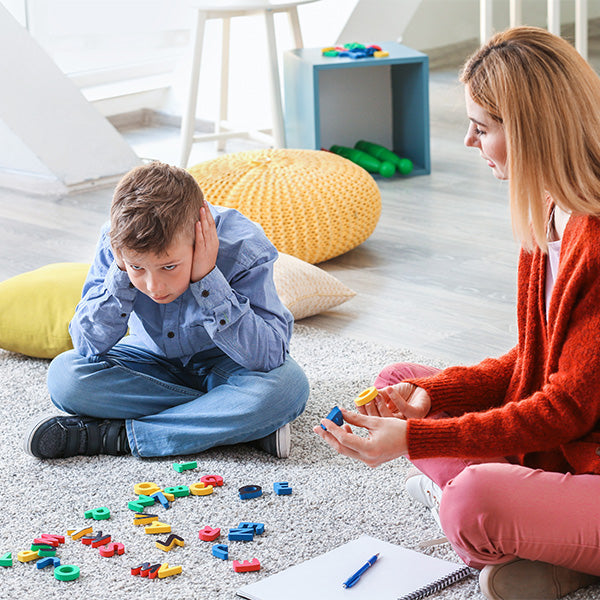
If anxiety, frustration or sensory overwhelm make it difficult for students to focus during the school day, those challenges may become even more difficult during a drill or emergency.
Schools can help reduce stress through proactive preparation, including:
- Clear routines
- Visual schedules
- Social stories
- Countdown timers
- First-then boards
- Calm-down spaces
- Movement breaks
- Advance communication about drills or schedule changes
Sensory supports can play an important role in both preventing dysregulation and helping students regain control when they feel overwhelmed as well. Creating designated calm-down spaces and providing break boxes stocked with supportive tools gives students a safe place to take a sensory break, practice self-regulation and return to learning when they are ready.
Sensory supports such as quiet fidgets, weighted lap pads, noise-reducing headphones, visual cue cards and movement tools can help students regulate emotions, process sensory input, and follow directions during stressful situations. Products such as Busy Fingers, the Fidget Lap Pad, the Weighted Sensory Knot Ball, Wobble Cushions and Noise Reducing Headphones provide practical support for students who benefit from additional sensory input.
These strategies contribute to a positive school culture by helping students participate more fully in learning and connect with their peers.


Building Trust Through Communication and Community
Students need to know their concerns will be heard and families need to understand how the school communicates during both everyday situations and emergencies.
Teachers should build trust by encouraging open communication, taking concerns seriously and reminding students that speaking up is part of keeping the school community safe. Parents can support these efforts by maintaining open conversations at home, staying informed about school procedures and encouraging children to share concerns.
Schools can further strengthen safety through family engagement events, regular updates with parents, volunteer opportunities and partnerships with community organizations that support student well-being.

Maintaining Safer Schools for Every Student
Effective school safety combines preparedness, communication, emotional support and classroom strategies that ensure students feel secure. When schools prioritize both prevention and student well-being, they create environments where students can thrive academically, socially and emotionally.
Creating a safer school environment starts with supporting the whole student. Visit our learning center for resources on emotional regulation and sensory processing, classroom supports and school culture strategies to improve student engagement to help students feel prepared, supported and ready to learn.
Frequently Asked Questions About School Safety
What are the most effective school safety ideas?
Effective school safety ideas include emergency preparedness, visitor management, bullying prevention, family engagement and classroom supports that promote emotional regulation and student well-being.
What are examples of school safety measures?
School safety measures can include visitor check-in systems, monitored entrances, safety drills, emergency notification systems, student reporting procedures, supervision plans and classroom supports that promote emotional well-being.
How can teachers improve student safety at school?
Teachers can improve student safety by establishing clear routines, building trusting relationships, taking concerns seriously, preparing students for drills and using tools that help students regulate emotions and follow directions.
How do sensory tools support school safety?
Sensory tools can help students manage anxiety, noise sensitivity, restlessness and overwhelm. Quiet fidgets, weighted lap pads, visual supports and noise-reducing headphones can help students stay calmer and more focused during stressful situations.
How can schools prepare students for emergency drills?
Schools can prepare students by using visual schedules, social stories, countdown timers, clear instructions and advance communication. These strategies help students understand what to expect and reduce anxiety before drills or schedule changes.
How can parents contribute to school safety?
Parents can support school safety by staying informed about school procedures, keeping emergency contacts updated, talking with children about safety expectations and encouraging them to speak up when they have concerns.
Malkie Ward uses her clinical experience and creative insight to collaborate across teams in shaping smart sensory tools and creating powerful sensory rooms. With strong problem-solving skills and deep care for all children, Malkie develops high-quality products and serves as a trusted guide to teammates across product development.



Leave a comment