


Emotional Regulation in the Classroom: 5 Challenges Teachers Face and How to Help
5 min read

Many teachers are noticing a shift in today’s classrooms. Students are easily overwhelmed, struggle with transitions or may have difficulty recovering from frustration. These are all signs that they may need more support with emotional regulation.
Emotional regulation and self-regulation are skills that can be developed over time. Like reading or math, they are taught, practiced and strengthened. When students learn to recognize emotions and use coping strategies to recover from challenges, they’re better prepared to learn, build relationships and navigate everyday situations with confidence.
In this blog, we will discuss five classroom challenges related to emotional regulation and helpful strategies to resolve them.
Why Emotional Regulation Matters in the Classroom
Emotional regulation is foundational to successful learning. Before students can effectively learn, they need to be able to manage frustration, adapt to change and recover from setbacks.
While these skills are still being developed, emotional dysregulation can manifest as withdrawal, impulsive reactions or difficulty transitioning. More importantly, they can be signs that a student needs additional support rather than stronger consequences.
One approach that showcases positive behavior support focuses on understanding what students need, and it proactively creates conditions that set them up for success. Predictable routines, sensory tools and explicitly taught coping skills serve as preventative behavior management strategies, while also helping students become more independent.
Challenge #1: Students Experience Sensory Overload
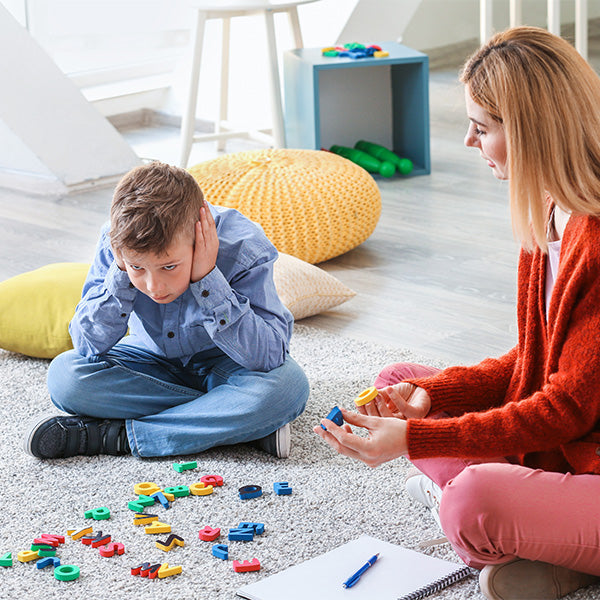
Classrooms are busy sensory environments. Noise from classmates, fluorescent lighting, crowded spaces, visual clutter and frequent transitions can be difficult for some students to process. Sensory overload occurs when the brain receives more sensory information than it can comfortably manage. For students with sensory processing differences, these everyday classroom triggers can contribute to emotional dysregulation, making it harder to focus, follow directions or remain calm.
What Helps
When students are overwhelmed, the priority is helping them regain a sense of safety and control.
Try:
- Breaking assignments into smaller steps
- Giving one direction at a time
- Using visual supports to increase predictability
- Minimizing unnecessary sensory distractions
- Providing access to a quiet or calming space
- Responding with a calm, consistent tone
Reducing overwhelm before it escalates gives students more opportunities to remain engaged in learning.
Fun and Function Tip: A thoughtfully designed classroom can help prevent sensory overload before it leads to emotional dysregulation. Explore How Sensory Spaces Help Promote Social-Emotional Skills and consider creating a space where a student can regroup before returning to learning.

Challenge #2: Students Have Difficulty Recovering From Disappointment
Mistakes, constructive feedback, waiting for a turn or losing a classroom game are ordinary parts of the classroom experience. Yet these moments can feel overwhelming for kids who are still developing the skills to bounce back from frustration.
Emotional regulation isn’t about avoiding disappointment. It’s about learning how to recover from it.
What Helps
Teachers can strengthen resilience by:
- Modeling calm responses to mistakes
- Reinforcing that learning involves trial and error
- Teaching flexible thinking (“I’ll try another way”)
- Praising effort and persistence, instead of perfection
- Reflecting on what students learned after a setback

Over time, students will incorporate replacement behaviors and coping strategies that help them respond to frustration in more productive ways.
Challenge #3: Transitions Disrupt Learning
Moving from one activity to another requires flexibility, planning and self-control. Cleaning up, leaving recess, changing subjects or adjusting to an unexpected schedule change can be challenging when students don’t know what to expect.
What Helps
Predictability can reduce stress and support self-regulation. Helpful strategies include:
- Visual schedules
- Countdown warnings
- First/then language
- Consistent classroom routines
- Short movement or regulation breaks between activities
These proactive supports align with positive behavior support by pre-empting challenging behavior instead of waiting to respond only after a student becomes dysregulated.

Challenge #4: Students Need Movement and Sensory Input Throughout the Day
Emotional regulation isn’t static. Even students who begin the day bright-eyed and focused can become drained after long periods of sitting, demanding academic work or constant sensory input.
Some students also demonstrate sensory seeking behavior, meaning they actively look for movement, pressure or other sensory experiences. A student might wiggle, touch objects, seek opportunities to move or have difficulty remaining seated. These behaviors may indicate that the student needs regular sensory input to maintain focus and emotional regulation.
What Helps
Rather than waiting until students become dysregulated, build opportunities for regulation into the school day:
- Schedule regular movement breaks
- Offer flexible seating options
- Provide sensory tools and social stories that support attention and self-regulation
- Use social-emotional learning activities regularly
Fun and Function Tip: Movement and sensory supports aren’t just for crises. When matched thoughtfully to students’ sensory needs, they can become proactive tools for attention, participation and self-regulation.
Related Resource: Explore What 28 Occupational Therapists Share About Our Sensory Tools.

Challenge #5: Helping Students Build Self-Regulation Skills
Many students know they’re upset but aren’t sure what to do next. They may look to a teacher to calm them, solve the problem or tell them how to respond.
Adult support is important, but the long-term goal is to help students develop greater independence with self-regulation.
What Helps
Teachers can provide regular opportunities to practice by:
- Building emotional vocabulary
- Using daily emotion check-ins
- Teaching students when and how to request a break
- Practicing coping strategies during calm moments
- Encouraging students to identify which strategies work best for them
With consistent practice, students can become more confident at recognizing emotions, selecting effective coping strategies and regaining control with fewer adult prompts.
Build a Classroom That Supports Emotional Regulation Every Day
Sensory processing and emotional regulation are closely connected. When students understand their emotions and have access to sensory and environmental tools that meet their needs, they have more opportunities to remain engaged, recover from challenges and develop independence.
Positive behavior support reinforces this proactive approach. Instead of relying only on reactive behavior intervention strategies, teachers can build routines and coping opportunities into everyday classroom life.
Check out the following link to discover How Sensory Spaces Help Develop Social and Emotional Skills. Thoughtfully designed environments are made with the sole intent to help students reduce overwhelm, recharge and get back into learning.

Frequently Asked Questions
What is emotional regulation in the classroom?
Emotional regulation is a student’s ability to understand and manage emotions, recover from challenges and stay engaged in classroom activities.
What causes emotional dysregulation in the classroom?
Emotional dysregulation can have many contributing factors, including sensory overload, frustration, unexpected changes, transitions and academic or social demands. Identifying patterns can help teachers choose proactive supports that address a student’s needs.
What is sensory overload?
Sensory overload occurs when a student receives more sensory information than they can comfortably process. Classroom noise, bright lighting, crowded environments, visual distractions and transitions are common triggers.
How do calming corners support emotional regulation?
A calming corner provides a designated space where students can reduce sensory input, use coping strategies and practice self-regulation. The goal is not punishment or exclusion, but giving students a supportive place to reset before returning to classroom activities.
What is positive behavior support?
Positive behavior support is a proactive approach that focuses on understanding students’ needs, preventing difficulties and teaching skills that support successful participation. In the classroom, this can include predictable routines, environmental adjustments, positive reinforcement and explicitly teaching appropriate replacement behaviors.
How can teachers help students build self-regulation skills?
Teachers can help by teaching coping strategies during calm moments, using visual supports and emotion check-ins, providing appropriate movement and sensory opportunities, and giving students opportunities to practice making choices about how they would like to regulate.
About the author:
Malkie Ward uses her clinical experience and creative insight to collaborate across teams in shaping smart sensory tools and creating powerful sensory rooms. With strong problem-solving skills and deep care for all children, Malkie develops high-quality products and serves as a trusted guide to teammates across product development.



Leave a comment