


Social-Emotional Learning: What It Is and Why It Matters for Children
8 min read

Knowing how to interact with others is a learned skill, one that starts developing during infancy. Children need to be taught how to manage their emotions, handle everyday challenges and connect with others. Social-emotional learning (SEL) plays an important role in how kids build self-awareness, become emotionally resilient, develop positive relationships and feel more confident in their abilities at home and in school.
What Is Social-Emotional Learning?
SEL is an educational approach that focuses on teaching kids the skills needed to recognize how they feel, how others feel and how to respond to others in a positive, appropriate manner. It is important to keep in mind that social-emotional skills don’t develop overnight. They take shape gradually through adult guidance, planned activities and everyday experiences.
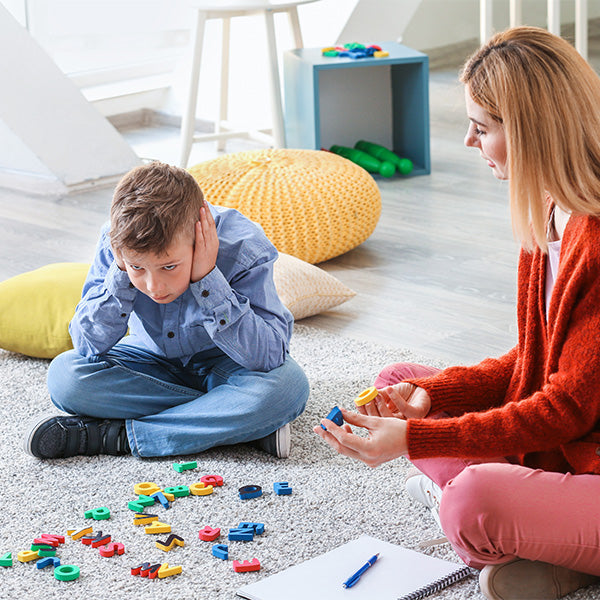
Since social-emotional skills develop slowly, it’s best to reinforce them across different environments the child encounters. Practicing these skills at home, in school and in therapy settings can enable kids to use these skills consistently, and often contributes to their emotional well-being.
Why Social-Emotional Learning Is Important
Strengthening social-emotional skills is key to setting children up for long-term success in life. When armed with appropriate coping mechanisms, they can focus better, interact with others and overcome challenges.
Some important benefits of social-emotional learning include:
- Effective coping skills
Social-emotional skills provide kids with the means to identify what they are feeling and choose the best regulation techniques to help them calm down when they feel triggered. - Improved behavior
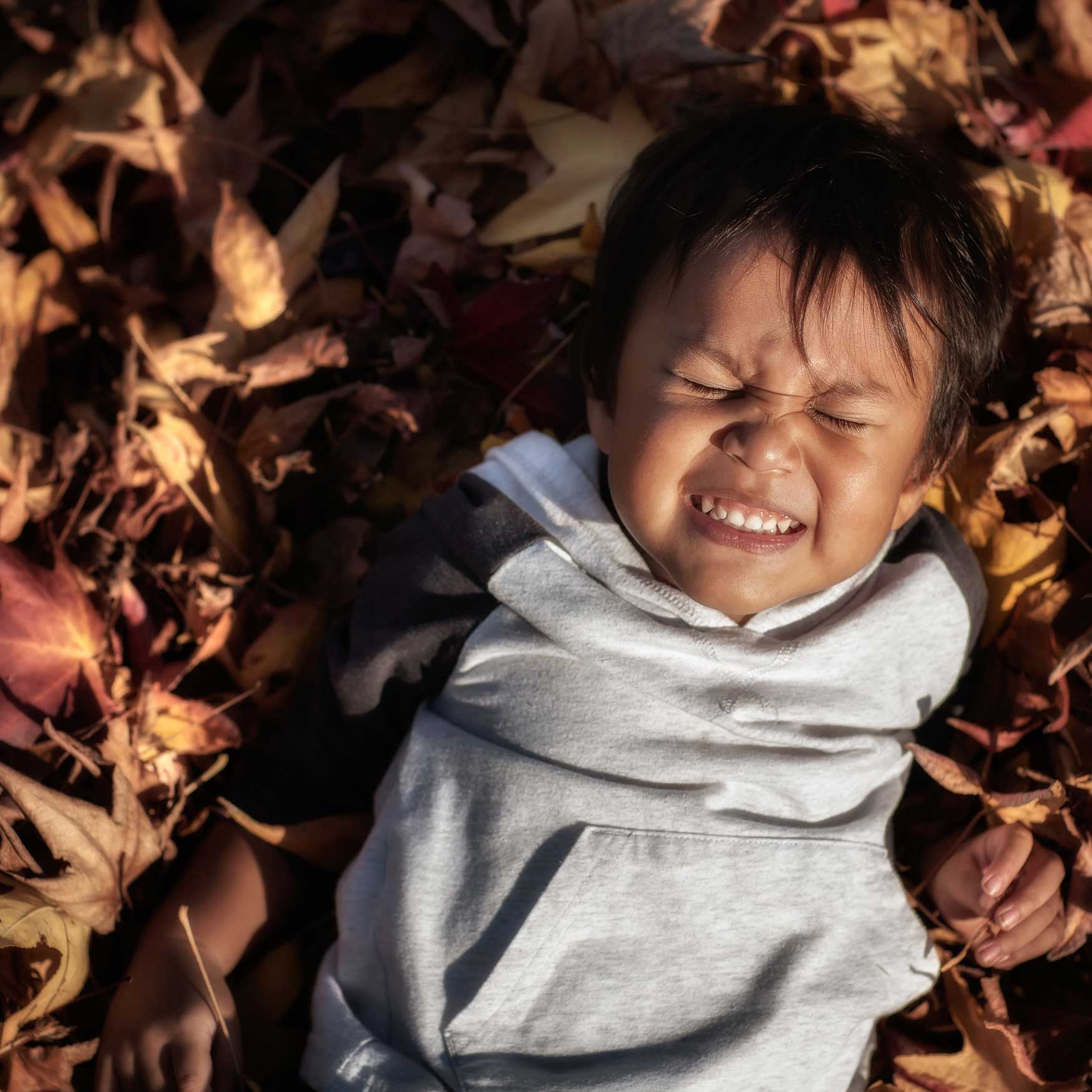
When children understand their emotions, they’re able to better handle frustration, reduce disruptive behavior and manage interruptions to their daily routine. - Stronger social skills
Kids who work on developing effective communication, emotional awareness and empathy typically find it easier to make friends and resolve interpersonal conflict. - Increased confidence
Children who can navigate challenging emotions often feel confident in their ability to try new things, take healthy risks and persevere despite difficulties.
Incorporating social-emotional learning can be especially powerful for kids with sensory challenges, ADHD, autism and anxiety, because they may not pick up on social cues or have the self-awareness of their neurotypical peers. Remember to tailor the instruction to meet their unique needs. Using a mix of visual aids, like the Emoji Emotion Cards, movement breaks and more concise lessons can be a helpful strategy.


Key Areas of Social-Emotional Learning
Social-emotional learning is generally broken down into the following five core areas:
- Self-awareness
This describes the ability to identify personal strengths, thoughts, emotions and triggers, as well as to develop a healthy sense of self. - Self-management
Self-management focuses on the skills children need to take charge of their emotions and behaviors, such as self-regulation, coping with stress and maintaining routines. - Social awareness
Understanding the perspectives and emotions of others is key to developing respect, empathy and an appreciation of differences between oneself and ones peers. - Relationship skills
Interpersonal skills like working together, effective communication, active listening and conflict resolution are necessary to maintain healthy relationships. - Responsible decision-making
Responsible decision-making is about making safe, thoughtful decisions that account for the impact on oneself and others.
A strong basis in each of the above areas of social-emotional learning helps kids navigate daily life and engage meaningfully in their larger communities.

Social-Emotional Learning Activities for Classrooms and Homes
There are many ways to integrate SEL into a child’s daily routine and activities, rather than making it a distinct subject. Here are some practical ideas from our OTs to support your child’s social-emotional skills:
- Emotion check-ins
Use sensory tools that depict various emotions and expressions, like the Feelings Fidgets or Regulation Discovery Putty®, to help your child articulate how they feel. A mirror is another great tool where they can practice different facial expressions and see what they look like when they feel happy, sad, angry, etc. - Worksheets and visuals
Charts with calming strategies, emotion-matching activities and problem-solving worksheets are invaluable tools for guiding children step-by-step through a process of reflection and regulation when their emotions feel overwhelming. - Cooperative games and group activities
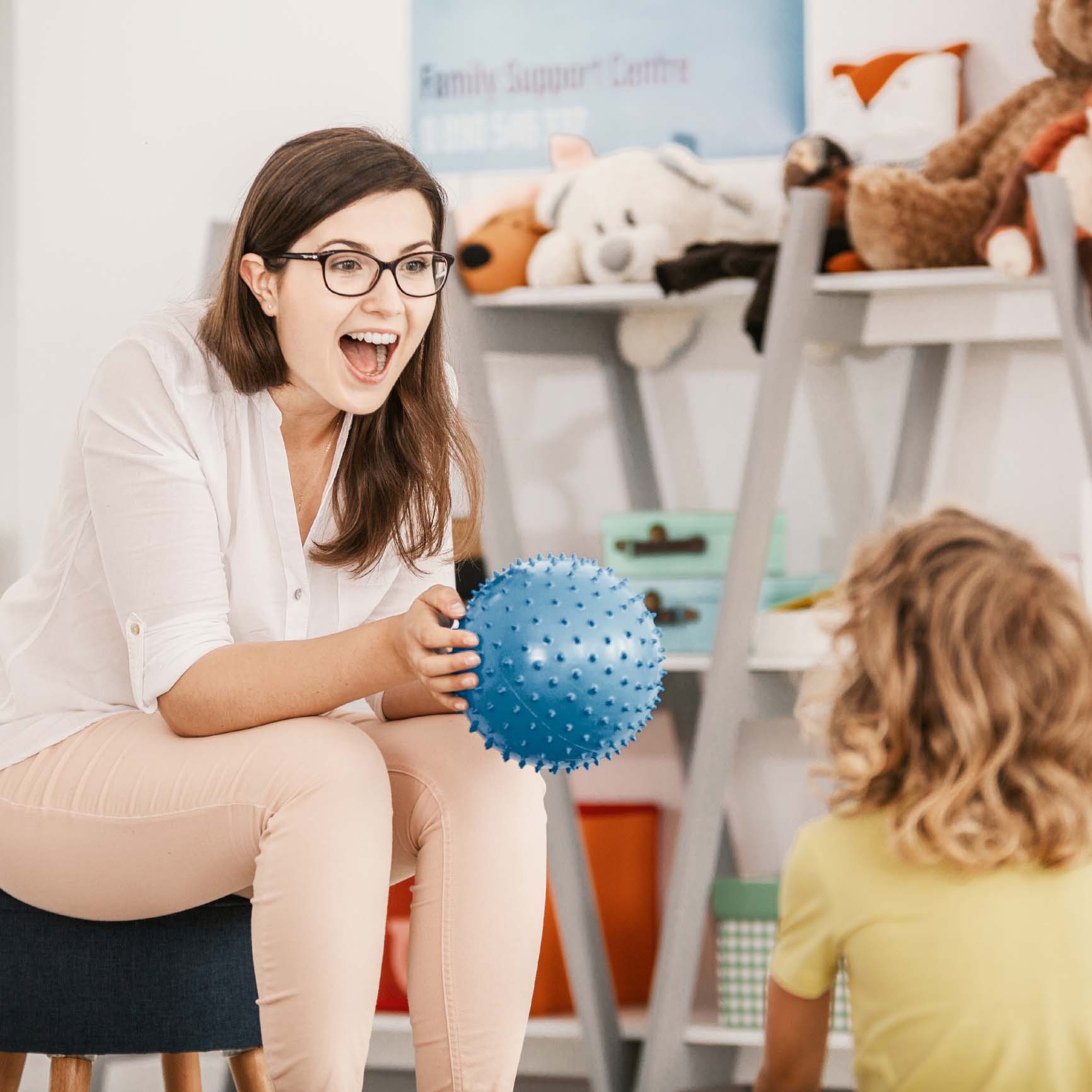
Encourage healthy communication and flexibility with turn-taking, role play activities and board games. - Tools for calming and regulation
Use sensory solutions like fidgets and weighted animals to promote self-regulation and prevent emotional escalation. - Reflective prompts
Reflective questions such as “How did you feel when that happened?” or “What can we do differently next time?” teach children to reflect on and learn from past experiences.
Bringing about a positive change in social-emotional skills doesn’t always require big chunks of time or intensive effort. Practicing in small increments consistently can result in noticeable change over time.


Social-Emotional Learning for Different Age Groups
Preschool
Age 3-5 is when children begin to understand what emotions and social rules are. Keep learning simple to introduce the foundations of social-emotional skills by focusing on naming feelings, practicing sharing and using tools like songs, visuals and games.
Elementary age
Elementary-age children can benefit from more advanced activities, such as adult-led discussions about friendships, feelings and problem-solving. They can also gain from visual tools, group games and calming strategies to reinforce cooperation and self-regulation skills.
Older children
As children transition to adolescence, SEL takes on an even greater role as they work through complex peer relationships, decision-making and increased self-awareness. Preteens and teens can use journaling, role-playing real-life scenarios and stress management tools to help navigate social-emotional challenges.Social-emotional skills grow with your child. Ensure consistent progress by building upon and refining skills they were introduced to as a young child to ensure the continued relevance as they grow.

Classroom Tools That Support Social Emotional Learning
Sensory-friendly, hands-on tools help make social-emotional learning accessible and more engaging in the classroom.
Our OTs gathered some of our favorite tools to incorporate into your classroom:
Visual supports and emotion cards
These supports and tools help build communication skills and self-awareness by teaching children how to express their emotions and giving them hands-on techniques for calming themselves. Our set of Visual Cards for Self-Calming are a popular aid for this in classroom and therapy settings.
Children often also benefit from visuals that encourage independence and self-regulation. Hanging up charts and posters that feature coping strategies and clearly lay out expectations is another useful way to set kids up for positive social-emotional interactions.
Calming corners
Creating a cozy, calming corner in a classroom is a great way for kids to recenter themselves before emotions escalate, without having to leave the room. The corner can include soothing tools like fidgets and weighted lap pads, as well as comfortable seating for emotional regulation.


Manipulatives and games
Hands-on manipulatives and board games promote turn-taking, teamwork, and problem-solving throughout the school day. These tools provide an excellent opportunity for kids to practice their social skills during group work as they learn cooperation, flexibility and healthy communication. Keep a Social Emotional Learning Box in your classroom for easy access to tools during class.


More than merely a means to manage emotions, social-emotional learning empowers children to develop skills for connecting with others and thrive both socially and emotionally. With the right tools and supports in place, SEL can be a major catalyst for growth both inside and outside the classroom.
Explore Fun and Function’s wide variety of products designed to support social-emotional growth so children can feel calm, focused and confident.


Leave a comment