


Five De-escalation Strategies for Classrooms: How to Recognize Escalation and Help Students Self-Regulate
4 min read

Learn practical de-escalation strategies for classrooms that help teachers recognize early signs of escalation, support student self-regulation reduce challenging behavior, and create calmer learning environments.
Every teacher recognizes the shift that occurs when a student becomes overwhelmed. The energy in the classroom changes, learning slows and it can feel difficult to support one student while keeping the rest of the class engaged.
Effective de-escalation isn't about stopping behavior. It's about helping students regulate so they can return to learning. When classrooms are built around predictability, classroom sensory supports and proactive strategies, educators can often prevent student escalation before it begins.

How to Recognize When a Student Is Beginning to Escalate
Escalation rarely happens all at once. Most students display early signs of dysregulation before reaching a crisis point.
Common warning signs include:
- Increased fidgeting or restlessness
- Difficulty staying on task
- Withdrawing from peers or classroom activities
- Repeating questions or seeking reassurance
- Changes in tone of voice or facial expression
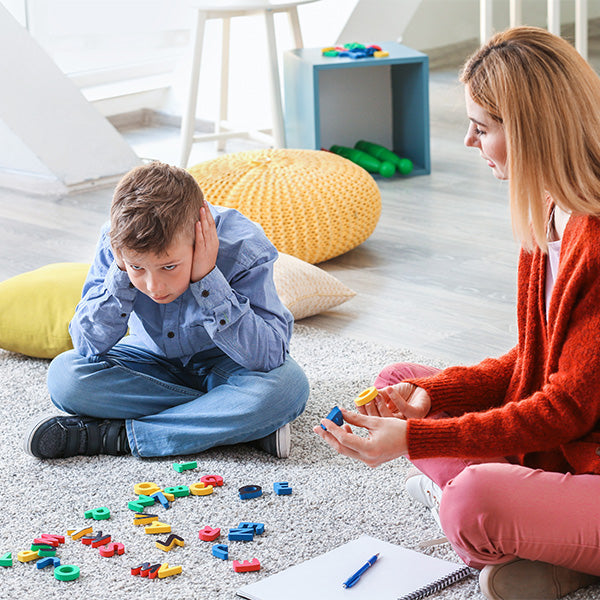
- Covering ears or avoiding eye contact
- Pacing or rigid body language
- Increased frustration with familiar tasks
These behaviors aren't usually signs of defiance. They're indicators that a student is struggling to regulate emotions, process sensory information, or manage environmental demands.
Recognizing these cues early allows educators to adjust expectations, remove sensory triggers, offer movement opportunities, or provide a quiet sensory space before emotions intensify. Early intervention is often the most effective way to prevent student escalation.

What Is Classroom De-escalation?
Classroom de-escalation refers to strategies that reduce the intensity of a student's emotional or behavioral response while maintaining safety, dignity and connection.
Rather than focusing only on consequences, effective classroom behavior management recognizes that behavior is often communication. A student who appears defiant may actually be overwhelmed by sensory input, executive functioning demands, anxiety or communication challenges.
The goal is to help students regain regulation so they can problem-solve, participate and return to learning.
Why Students Escalate
Students rarely become dysregulated without a reason. Common triggers include:
- Sensory overload
- Unexpected schedule changes
- Communication challenges
- Anxiety or frustration
- Difficult transitions
- Executive functioning demands
These challenges can affect any student but are often more common among neurodivergent learners, including students with autism, ADHD or sensory processing differences. Identifying the underlying cause allows educators to respond with support instead of simply reacting to the behavior.
Five Practical De-escalation Strategies
One of the most effective ways to prevent school bullying is by creating a classroom culture built on empathy, respect and inclusion. Class meetings, collaborative activities, and social-emotional learning (SEL) help students develop communication skills, perspective-taking and emotional awareness.When students feel connected to their peers and understand how their actions affect others, bullying behaviors are less likely to occur.
1. Regulate Yourself First
Students often mirror the emotional state of trusted adults.
Speaking slowly, maintaining calm body language and using a steady voice communicates safety. Remaining regulated yourself makes it easier for students to begin regulating their own emotions.

2. Reduce Sensory Input
A dysregulated brain struggles to process excessive sensory information.
Simple environmental adjustments can make a significant difference:
- Lower classroom noise
- Dim harsh lighting
- Reduce visual clutter
- Provide additional personal space
- Limit competing instructions
These changes help students feel less overwhelmed and better able to regain control.

3. Offer Choices
When emotions run high, demands often increase resistance.
Instead of saying, "Sit down," try offering simple choices:
- "Would you like to sit at your desk or the quiet table?"
- "Would you rather use a pencil or marker?"
- "Would you like a movement break before starting?"
Providing appropriate choices restores a student's sense of control while maintaining clear expectations.
4. Incorporate Sensory Supports
For many students, classroom sensory supports provide the input needed to regulate their nervous system and stay engaged in learning. Neurodivergent learners, including students with autism, ADHD or sensory processing differences, often benefit from individualized supports that reduce unnecessary stress throughout the day.
Depending on a student's needs, supports may include:
- Stretch Me Chair Fidget- Set of 2
- Wobble cushions
- Weighted lap pads
- Visual schedules
- Noise-reducing headphones
- Movement opportunities


These supports work best alongside predictable routines and consistent classroom expectations. Occupational therapists can also help educators identify environmental modifications that improve participation throughout the school day.
Many schools are also creating dedicated sensory spaces or calming corners where students can reset before emotions escalate. Together, these proactive supports strengthen student self-regulation while improving classroom participation.

5. Debrief After Everyone Is Calm
Meaningful learning happens after regulation, not during a crisis. Once the student has returned to a calm state, discuss:
- What happened?
- What feelings were present?
- What helped?
- What supports would be helpful next time?
These conversations build self-awareness and strengthen long-term self-regulation skills.

De-escalation Is Different From Discipline
One of the biggest misconceptions in education is that de-escalation means avoiding accountability.
In reality, regulation comes before instruction.
When students are overwhelmed, the brain's reasoning and problem-solving abilities become less accessible. Addressing consequences before helping students regulate often prolongs challenging behaviors.
Supporting regulation first makes both teaching and accountability more effective.
Helping Students and Teachers Feel Successful
Every classroom experiences moments of frustration and overwhelm. The goal isn't to eliminate those moments. It's to recognize them early and respond with strategies that help students regulate and return to learning.
By combining proactive de-escalation techniques, classroom sensory supports, predictable routines and thoughtfully designed sensory spaces, educators can reduce disruptions while creating classrooms where students feel safe, supported and ready to succeed.
Looking to build a more regulation-friendly classroom? Explore Fun and Function's calming spaces for practical solutions that help all your students thrive.
Frequently Asked Questions
What are de-escalation strategies for classrooms?
De-escalation strategies are proactive and responsive techniques that help students regain emotional regulation while maintaining a safe, supportive learning environment.
How can teachers prevent student escalation?
Teachers can often prevent student escalation by recognizing early warning signs, maintaining predictable routines, reducing sensory overload, offering choices and providing classroom sensory supports before behaviors intensify.
What is a sensory space in a classroom?
A sensory space is a designated area where students can regulate emotions and sensory input. These spaces often include calming seating, movement tools, weighted products, visual supports and other resources that help students reset before returning to learning.
What's the difference between discipline and de-escalation?
De-escalation focuses on helping students regain regulation first. Discipline and problem-solving are most effective once students are calm and ready to learn.
About the author:
Malkie Ward uses her clinical experience and creative insight to collaborate across teams in shaping smart sensory tools and creating powerful sensory rooms. With strong problem-solving skills and deep care for all children, Malkie develops high-quality products and serves as a trusted guide to teammates across product development.



Leave a comment